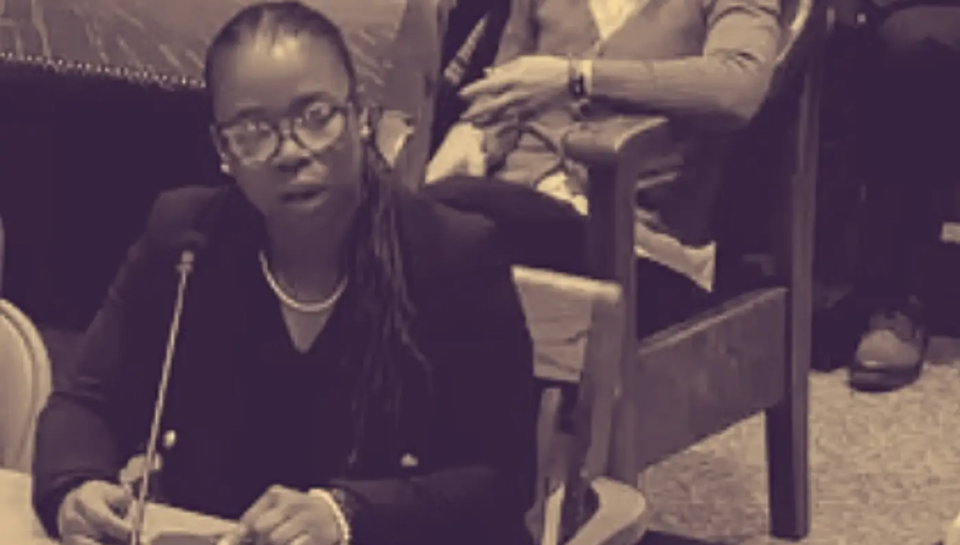
Several years ago, I published a warning about the public health risk of a declining medical cannabis program in Massachusetts. The medical program was being left behind: little research investment, little focus on outcomes, and almost no effort to understand how patients were actually using cannabis in their daily lives. I testified at the State House and made a simple argument. If we do not understand where we are, we cannot responsibly decide where we are going. That requires data. That requires listening to the people actually using cannabis, not just debating policy in the abstract.
This year, I returned to testify again. The reason was very different.
An out-of-state anti-cannabis group has funded a campaign to put the elimination of adult-use access in Massachusetts on the November 2026 ballot. Tens of thousands of residents have already signed on. The campaign rests on claims about cannabis use and harm that are not grounded in transparent, population-level data.
We are watching narratives about consumers being built without consumers.
As a nurse and public health researcher, I was not comfortable sitting on the sidelines. So I founded Project Destigmatize HealTHCare, a research initiative built to do something simple and necessary: collect real data from real people about how cannabis is actually used, and how it intersects with healthcare.
In March 2026, we launched an anonymous, consumer-focused population survey. This month, we bring that research into the field at NECANN Boston, where more than 10,000 people gather each year. Our goal is 1,000 responses over that weekend alone. This is public health infrastructure being built in real time.
The early data already tells a clear story.
People are using cannabis for health-related reasons. Sleep. Anxiety. Pain. Appetite. Stress. These are not fringe use cases. These are core symptom management categories, the same ones driving prescription and over-the-counter medication use across the entire healthcare system. Cannabis is already part of how people manage their health. And many of those people are not discussing that use with their clinicians. Some have never been asked. Others do not feel safe disclosing. Many say they would share if it were approached in a routine and respectful way.
This is a system design failure.
Our data also shows something the current ballot campaign refuses to account for: the people purchasing cannabis through adult-use channels are frequently using it for symptom management. They do not separate neatly into recreational versus medical. There is overlap. There is a blended population. People walk into dispensaries without a medical card and purchase products to help them sleep, manage anxiety, or reduce pain.
The system has mislabeled the category. When we call something adult-use, we imply it is separate from health. The data shows that is not how people actually behave.
Adult-use dispensaries are access points. Functional health behavior is happening in non-clinical settings every day. And when access disappears, people do not suddenly stop having symptoms. They lose a tool. They lose a choice. They lose a pathway that many already rely on.
One respondent said it plainly: without legal access, they would still be suffering. That statement should not be ignored.
Massachusetts understands the importance of accessible care. Communities have fought to keep pharmacies open because access matters. The same principle applies here. If we continue to ignore what is already happening, we deepen stigma, we deepen non-disclosure, and we increase the risk of unsafe care gaps, especially when cannabis is used alongside other medications without clinical awareness.
If we recognize it, we have an opportunity. We can build better education. We can improve disclosure. We can design systems that reflect how people actually live and make decisions about their health. But none of that happens without data, and none of it happens if the access points disappear.
If you are attending NECANN Boston this month, stop by and take our survey. Two minutes. Your experience matters and your data will be used to build a public record that is harder to ignore than assumptions. And in November, vote no on the adult-use ban, because this is not just cannabis policy. It is public health. It is access. It is whether the people most affected get to shape the narrative with truth.
Read more at destigmatizehealthcare.org
Talking Joints Memo (@tjmlive) • Instagram photos and videos
Sign up for Talking Joints Memo newsletter
Are you over 21 years of age?
Sign up for the TJM newsletter to keep up on your favorite news, reviews, and the latest to hit the dispensaries.
We use cookies to improve your experience on our website. By browsing this website, you agree to our use of cookies