Now
36°
Wed
46°
Thu
55°
by Max Williams, WGME
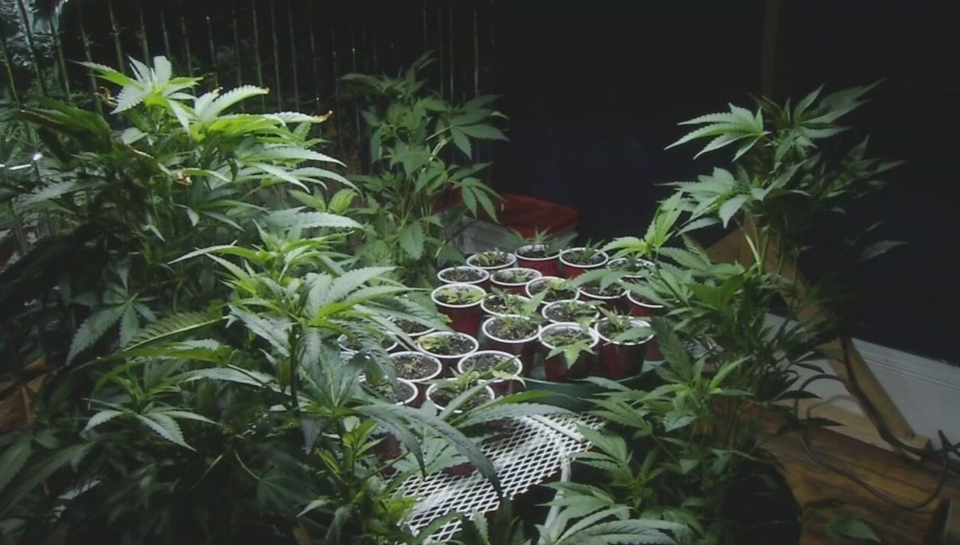
PORTLAND (WGME) — A Maine dispensary owner says he has discovered a loophole in the state's contaminated marijuana testing policy.
The owner warns it’s an oversight that could create health risks for some consumers.
Right now, there's a state policy saying there needs to be a label applied to marijuana packaging if the cannabis was previously tested and found to be dangerous for consumption.
The question is, “Who is checking to make sure that label is there?”
“It's just not something we would ever sell,” Grass Roots Marijuana Owner Jim Hamilton said.

Hamilton says remediated weed does not touch his shelves.
“It's basically like putting the weed in a microwave,” Hamilton said.
Hamilton says marijuana will typically go through that process if testing discovers the presence of bacteria and microorganisms like mold and yeast, which could make it dangerous when consumed.
“So if it wasn't fit for human consumption, it shouldn't be sold, even treated,” Hamilton said.
The state does allow for it to be sold after remediation, but a state policy requires a statement must be put on the product in no less than 6-point font that reads “contents have been treated.”

“When I reached out to the state, they told me flat out that they were not enforcing that rule,” Hamilton said.
In an email obtained by CBS13, the Office of Cannabis Policy says, "We are not requiring labeling of treated or remediated product. We plan to issue guidance on this in the near future."
We tried asking the department about this Tuesday, trying to find out why there's no enforcement and what steps are being taken to make sure it happens.
We're still waiting to get a full answer.

“It might reduce their viability, but it does not erase them away from the product,” University of Colorado-Boulder Research Associate Tess Eidem said.
Eidem says bacteria and other microorganisms, dead or alive, can still be present on marijuana, even after remediation, which can lead to various health effects.
The growth of bacteria is all dependent on the grower.
“A lot of it is about the environment that it's grown in, the water quality, the air quality, the substrate it's growing in, if you're removing dead or diseased plants,” Eidem said.
Hamilton says to look out for unusually low prices or yellowing and discolored buds. Those could be giveaways the product has been remediated.

Experts also note that even legal or medical dispensary products aren’t always held to stricter safety standards beyond required testing.
2026 Sinclair, Inc.