

Understanding Myrcene Terpene
Myrcene is a prominent terpene found in the cannabis plant, recognized for its significant role in the herb’s aromatic profile. Structurally, myrcene is classified as a monoterpene, which means it is composed of two isoprene units and has a chemical formula of C10H16. This terpene is chiefly produced in the resin of cannabis, as well as in other herbs such as thyme, basil, and hops, contributing to their distinctive scents.
One of the defining characteristics of myrcene is its earthy, musky aroma, often reminiscent of cloves. Myrcene is not only responsible for the scent but also plays a crucial role in the overall therapeutic experience of cannabis consumption. Beyond its aromatic qualities, myrcene has garnered attention for its possible medicinal properties. Preliminary research suggests it may possess anti-inflammatory, pain-relieving, and sedative effects, which could enhance the relaxing qualities often experienced with certain cannabis strains.
In the context of cannabis consumption, myrcene is believed to influence the effects produced by various strains. For instance, higher concentrations of myrcene are often associated with sedative and calming effects, making it a common feature in indicas. However, its presence in sativa strains can also alter the user experience, potentially leading to a more balanced and nuanced effect profile. Understanding myrcene’s role in cannabis helps consumers make informed decisions when selecting strains for their desired outcomes.
As we continue to explore myrcene’s impact on different cannabis varieties, it becomes clear that this terpene is essential to the intricate tapestry of aromas and effects that characterize our experiences with this versatile plant.
Sativa Strains Rich in Myrcene
Myrcene, a prominent terpene found in many cannabis strains, is known for its earthy, musky aroma and is particularly abundant in several sativa strains. These strains are appreciated not only for their unique flavor profiles but also for the benefits associated with myrcene, which may enhance the psychoactive effects of THC and promote relaxation. Below are some noteworthy sativa strains recognized for their high myrcene content.
Jacks Cleaner is celebrated for its potent myrcene levels, offering a sweet and citrusy flavor profile. Users frequently report feelings of euphoria and creativity, making it a popular choice among artists and those seeking inspiration. The strain typically has a THC content ranging from 15% to 20%, while its CBD levels remain low, around 0.1%. Users often describe the experience as uplifting, helping to alleviate stress and anxiety, which amplifies its appeal within the community.
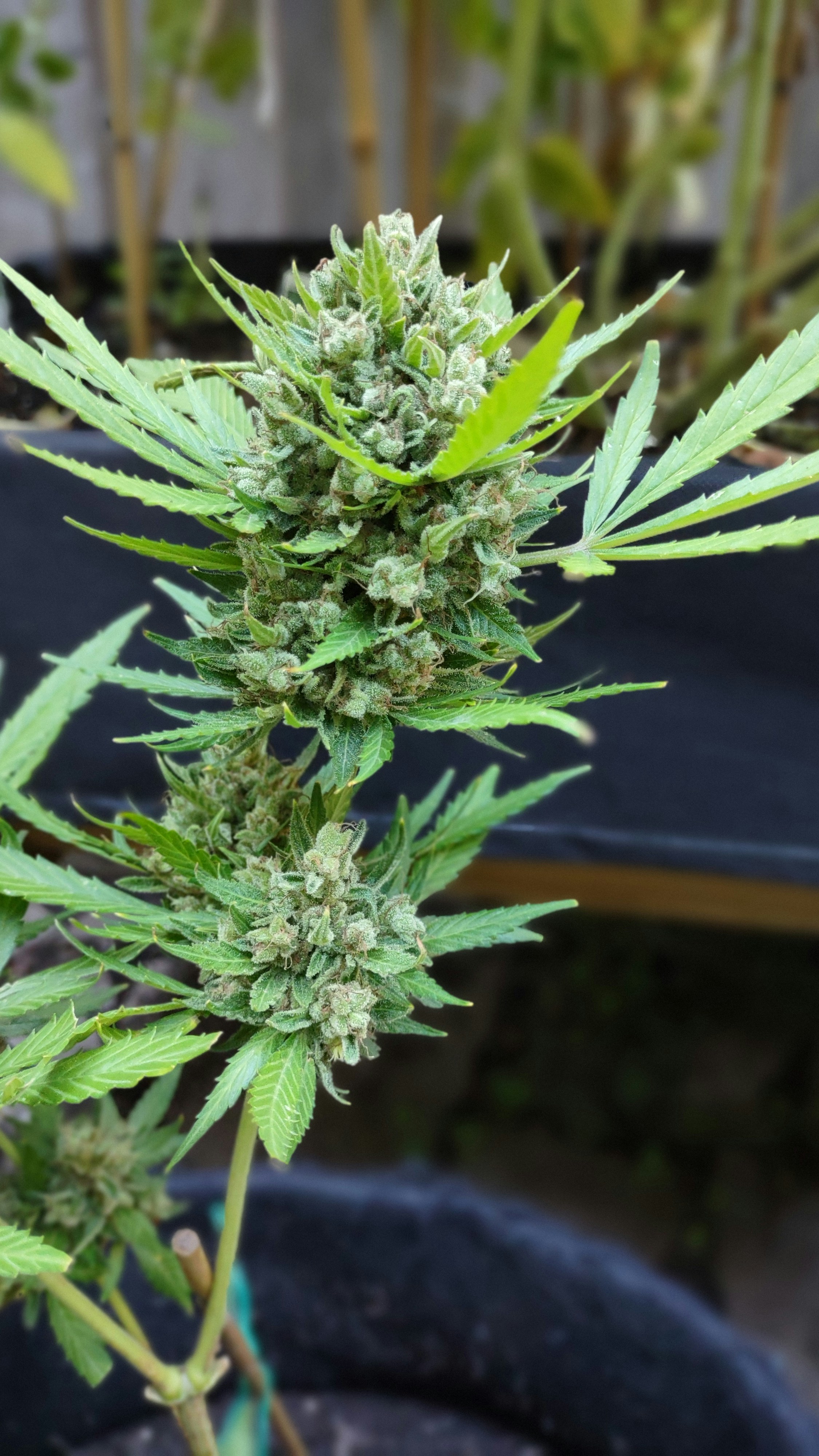
Super Lemon Haze presents a striking contrast with its zesty lemon aroma infused with hints of lime and pine. This strain boasts a high THC level, often around 20% or higher, and a minimal CBD content. Consumers frequently highlight its energizing effects, coupled with a sense of social openness, fostering connections in social settings. Anecdotal reports consistently note improved focus and motivation, contributing to its status as a favored sativa in social scenarios.
Another notable mention is Gorilla Glue #4, although often classified as a hybrid, leans predominantly sativa. It is characterized by its rich, earthy flavor, merging herbal and woody notes. With a higher THC concentration, typically between 18% and 25%, users report a powerful euphoria that can evoke heightened sensations and creativity. This strain has become increasingly popular among enthusiasts looking for a balanced yet potent high.
In summary, sativa strains like Jacks Cleaner, Super Lemon Haze, and Gorilla Glue #4 showcase the diverse flavor profiles and effects associated with myrcene-rich varieties. Their unique benefits and popularity within the cannabis community further underscore the significance of myrcene in enhancing the overall experience of sativa strains.
Comparison with Popular Well-Known Sativa Strains
Myrcene, one of the most abundant terpenes in cannabis, plays a significant role in defining the effects and characteristics of sativa strains. When compared to well-known sativa varieties such as Jack Herer, Sour Diesel, and Green Crack, lesser-known myrcene-rich sativas present both unique characteristics and familiar effects that appeal to cannabis consumers.
Jack Herer, a staple in the sativa category, is celebrated for its balanced effects, combining uplifting euphoria with a sense of relaxation. Its aroma typically features a blend of pine and spice, owing to its diverse terpene profile. Myrcene, when present in similar amounts in other sativa strains, tends to amplify relaxation without overshadowing the uplifting qualities. For instance, some lesser-known myrcene-rich strains can provide a similar euphoric experience as found in Jack Herer, while introducing more tropical or fruity notes to their bouquet.
Sour Diesel, known for its distinct diesel-like aroma and invigorating effects, serves as another important comparison point. This strain often contains lower levels of myrcene; however, the pungency of its aromas makes it stand out. In contrast, myrcene-rich sativas can offer a more subdued yet complex aroma profile, where users might experience additional earthy or herbal notes. Users often report that these myrcene-dominant strains provide a relaxing backdrop, enabling the cerebral effects to shine without any overwhelming experience.
Green Crack, often favored for its sharp energy boost and sweet, tropical flavor, can also be compared with various lesser-known myrcene-rich strains. While Green Crack typically emphasizes high energy and productivity, myrcene-rich alternatives may provide a more rounded experience with a pronounced floral or fruity scent. This can lead to preferences based on specific user needs—for many, the choice depends on the desired effect, whether it be focus or relaxation.
The evolving landscape of cannabis breeding highlights the increasing significance of terpenes, particularly myrcene, among breeders and consumers alike. As the cannabis market continues to expand, the demand for strains high in myrcene is expected to grow, leading breeders to prioritize this terpene in their genetic selections. Myrcene is not only known for its distinctive aroma and flavor, but it is also reputed for its potential therapeutic benefits, making it a prime target for research and breeding programs.
Recognizing the value of myrcene, breeders may undertake specific strategies to enhance its presence in Sativa strains. This could involve selective breeding techniques where plants exhibiting higher myrcene concentrations are crossbred to create new varieties. By focusing on myrcene content, breeders can cater to the consumers’ preferences for flavor profiles and therapeutic effects, thereby meeting market demands more effectively.
The implications of prioritizing myrcene extend beyond flavor; consumers are increasingly informed about the effects of various terpenes. Myrcene is known for its potential to promote relaxation and enhance the psychoactive effects of THC, which resonates with both recreational users and medical patients seeking relief. This awareness may encourage users to seek specific strains that offer higher myrcene concentrations, shaping consumer choices and influencing the direction of future breeding efforts.
Additionally, ongoing research into the health benefits of myrcene may further refine its role in cannabis breeding. Studies exploring its effects could lead to new insights, enhancing the understanding of how this terpene works synergistically with cannabinoids. As the interest in personalized cannabis experiences grows, myrcene’s significance in breeding programs is likely to increase, fostering a diverse array of strains tailored to the unique preferences and needs of users.