
Date:
Share post:
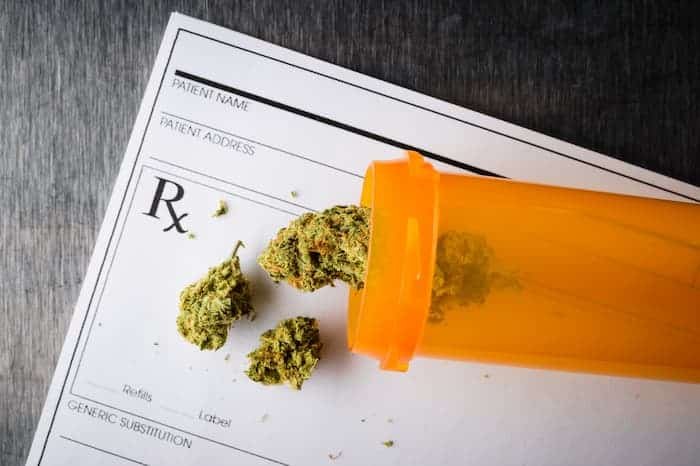
In a major policy shift last month, the Trump administration reclassified some forms of marijuana as less dangerous, significantly easing restrictions while creating new questions around compliance for employers.
The April order from Acting Attorney General Todd Blanche downgraded state-licensed medical marijuana and FDA-approved products containing marijuana from Schedule I—a drug category reserved for substances considered to have no medical use, like heroin and LSD—to Schedule III. While the order does not legalize the drug for recreational use or expand medical marijuana to any states where it is not currently legal, experts say the shift will bring significant tax benefits for manufacturers, and it is expected to fuel research on the drug, which could ultimately prompt more states to legalize marijuana for medical purposes.
The order does not specify potential workplace impacts, note Littler attorneys Nancy North Delogu and Jen Chierek Znosko in a post about the move.
“As a practical matter, however,” they write, “impacts may be substantial, at least in states with medical marijuana programs with broad application.”
Specifically, they say, “many more individuals will be authorized to use marijuana for medical reasons in a manner that complies with federal law than do now”—to the tune of 6 million Americans, who have state-issued certifications from one of the 40 states where the drug is approved for medical use.
“Employers certainly may continue to prohibit individuals from working while impaired,” Delogu and Znosko say, “and to impose workplace rules prohibiting the use and possession of marijuana and marijuana products for other than medical reasons by their workers.”
Yet, they say, get ready for accommodations requests.
Claims under the Americans with Disabilities Act will likely rise, say attorneys from Ogletree Deakins in a blog post on the reclassification.
Employers should expect more workers to allege they faced adverse action because of medical marijuana use or failed to meet their requests for accommodations. Typically, courts have sided with employers on such issues because medical marijuana was still considered a Schedule I drug.
“That reasoning may be challenged under the new framework,” they say.
The reclassification also points to ongoing shifts in public opinion on marijuana—and the likelihood that broader legalization efforts will successfully continue.
“That could lead to increased scrutiny of zero-tolerance policies, particularly regarding off-duty medical marijuana use that does not result in impairment while at work or on the job or otherwise affect job performance,” Ogletree attorneys write.
What was not mentioned in the order was how reclassification would affect employees whose work is regulated by the U.S. Department of Transportation, which continues to prohibit all marijuana use, based on the determination that it is a Schedule I drug.
“This rule change may create more questions than it answers, at least for now,” say Delogu and Znosko.
Powered by BenefitsPRO
222 Lakeview Ave Suite 800 West Palm Beach FL 33401
© 2026 HR Executive. All rights reserved.