

Introduction
The marijuana business landscape in Florida has evolved significantly since the state legalized medical marijuana in 2016. However, despite its rapid growth and the lucrative opportunities it presents, the industry remains predominantly dominated by large corporations, most notably Trulieve. These corporate giants operate under the guise of professionalism and efficiency, yet they inevitably raise critical questions regarding diversity and representation within the market.
As the industry flourished, the lack of participation from Black and Brown entrepreneurs has become glaringly evident. Statistics illustrate that the racial and ethnic composition of the industry does not reflect Florida’s diverse population. This disparity is not merely a matter of representation; it underscores systemic barriers that have hindered access to funding and support for underrepresented communities seeking to enter the marijuana business. The current landscape often sidelines those who have historically suffered the consequences of stringent drug policies, exacerbating existing inequalities.
In light of these dynamics, the call for action resonates strongly within the state. Advocacy for inclusion and equity serves as a powerful message urging stakeholders to recognize the importance of providing opportunities for marginalized groups. The argument is not just for promoting diversity for its own sake; it is about fostering a more balanced and equitable industry that benefits all Floridians. A more inclusive approach would encourage innovation, creativity, and accessibility, transforming the marijuana business into a dynamic landscape reflective of the community it serves.
The landscape of marijuana businesses in Florida has evolved significantly since the legalization of medical marijuana in 2016, marking a pivotal moment in the state’s economic and social development. As the marijuana business sector continues to expand, it has brought both opportunities and challenges, particularly concerning diversity and inclusion.
Currently, Florida’s marijuana industry is dominated by a handful of companies, including established players such as Curaleaf, Trulieve, and MedMen. These firms have capitalized on the growing demand for cannabis products, leading to significant revenue growth and job creation across the state. According to market statistics, Florida’s medical marijuana market is projected to reach a staggering $1.6 billion by the year 2025, illustrating the rapid expansion and potential profitability within the industry.
However, despite the promising statistics, there exists a noticeable gap in diversity among the operators within Florida’s marijuana business landscape. A considerable percentage of the market is controlled by large corporations, while minority-owned businesses face substantial barriers to entry. These obstacles include restricted access to funding, complicated regulatory requirements, and a lack of mentorship opportunities, hindering the growth of small and minority-owned enterprises.
The state has implemented certain initiatives to encourage diversity and inclusivity; however, the effectiveness of these measures has been under scrutiny. Many advocates believe that addressing racism and promoting inclusivity should be key goals in policy-making and corporate practices within this burgeoning sector. It is essential to foster a landscape where all different groups can participate equitably in Florida’s marijuana business, thus contributing to overall economic growth while rectifying historical injustices.
Impact of Racism on Business Opportunities
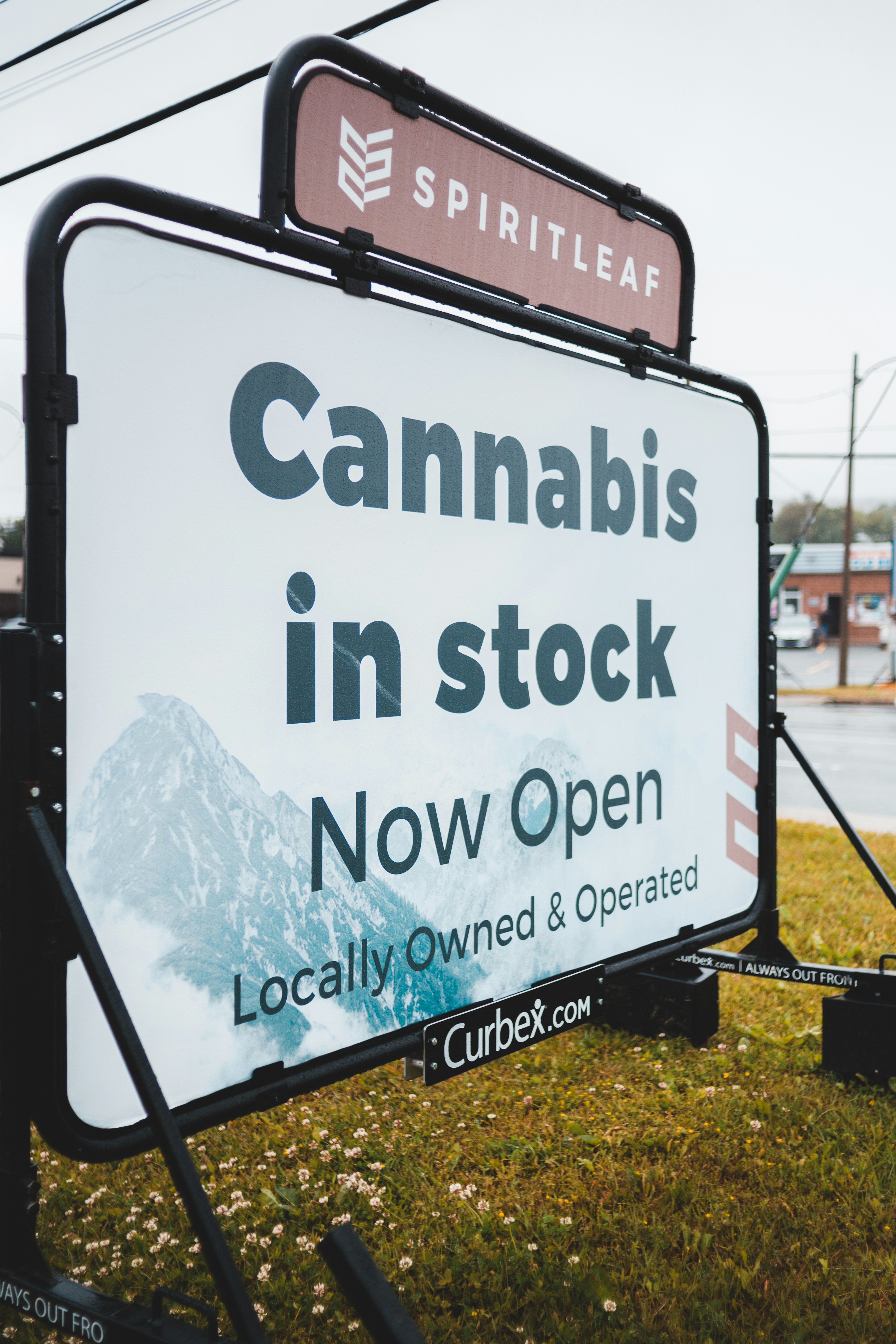
In the evolving landscape of the marijuana industry, systemic racism has significantly impeded Black and Brown individuals from accessing the same business opportunities as their counterparts. Despite the increasing legalization of marijuana across various states, including Florida, the legacy of discriminatory policies continues to hinder the growth and participation of minority communities within this sector.
One of the primary challenges faced by these individuals is the difficulty in securing funding. Traditional financial institutions often overlook applicants from marginalized backgrounds, who may lack established credit histories or collateral. This lack of access to financial resources demands that Black and Brown entrepreneurs find alternative methods to fund their operations, which can further disadvantage them when trying to enter the marijuana market. Furthermore, the prohibitive costs associated with licensing and compliance in the cannabis industry only exacerbate these challenges.
Additionally, the networking opportunities that are crucial for business growth tend to be less accessible to people of color in the marijuana industry. The cannabis business realm is heavily reliant on personal networks, and those who have historically been excluded from these spaces often struggle to establish connections with potential partners, mentors, and investors. This exclusion creates a cycle where minority entrepreneurs remain outside the spheres of influence necessary for advancement.
Cultural barriers also play a role in perpetuating racism within the marijuana business. There is often a lack of representation and understanding of the unique challenges faced by Black and Brown communities when it comes to cannabis. This absence can lead to initiatives that do not adequately address the needs of these populations, further marginalizing them within an industry that should promote diversity and inclusion.
Case Study: Trulieve and Its Market Dominance
Founded in 2015, Trulieve has established itself as one of Florida’s largest marijuana retailers, holding a significant market share and enjoying a robust presence in the state’s medical marijuana sector. The company’s growth trajectory has been impressive, stemming from strategic acquisitions, an extensive product range, and a strong focus on customer service. However, a critical examination reveals that while Trulieve has garnered commercial success, its practices surrounding inclusivity and representation warrant scrutiny.
Trulieve’s marketing efforts have largely focused on appealing to a broad audience, yet the lack of diverse representation within its workforce and leadership has been noted. This absence not only affects the company’s public image but may also impact customer relations. Research indicates that businesses that prioritize diversity in hiring and leadership tend to build stronger brand loyalty among consumers who value inclusivity. In contrast, companies like Trulieve, which do not prioritize equal representation, risk alienating potential customer segments, particularly in a diverse state like Florida.
Moreover, customer service at Trulieve has been praised for its knowledgeable staff and efficient service. However, feedback suggests that there is room for improvement regarding how diverse customer backgrounds are understood and addressed. Potential customers often seek a sense of connection and understanding when interacting with a brand, especially in the nuanced and personal context of medical marijuana. As Trulieve continues to dominate the market, fostering a culture that embraces diversity and representation could not only enhance its customer service but also secure a more loyal customer base, thereby affecting overall performance positively.
In conclusion, while Trulieve’s market position is currently strong, the imperative for incorporating diversity and inclusivity into its business model is evident. This evolution could bolster both customer loyalty and long-term success in Florida’s growing and competitive marijuana landscape.
The Importance of Customer Service in the Marijuana Business
In the ever-evolving marijuana industry, customer service plays a pivotal role, particularly for minority-owned businesses. As these enterprises strive to establish a foothold in a competitive landscape often dominated by larger corporations, offering exceptional customer service can set them apart from their competitors. A positive customer experience not only fosters loyalty but also builds community relations that are vital for long-term success.
Minority-owned marijuana businesses can leverage customer service as a key differentiator. By prioritizing customer interactions, these businesses can create a welcoming atmosphere that resonates with clients, especially those from underrepresented backgrounds. This attention to service cultivates a sense of belonging, encouraging repeat patronage and word-of-mouth referrals. Engaging with customers through personalized service creates rapport, ensuring that they are valued and heard. It is crucial for these businesses to provide education around product offerings, especially for novice consumers unfamiliar with cannabis, thereby enhancing their overall experience.
Moreover, positive customer service practices can help combat the stigmas often attached to marijuana use. When clients receive exceptional service, their perceptions shift, contributing to overall community acceptance of the industry. It not only fosters a sustainable business model but also promotes inclusion by highlighting the importance of representation within the industry. As minority-owned cannabis businesses grow and succeed, they pave the way for further diversity and inclusion in the marketplace.
Ultimately, excellent customer service is an essential component for success in the marijuana business. It serves as a foundation for customer loyalty, differentiates minority-owned businesses, and enhances community engagement, ensuring that these enterprises thrive in a competitive landscape.
The Call for Diverse Ownership in Marijuana Businesses
As the cannabis industry continues to expand in Florida, there is an increasing recognition of the necessity for diverse ownership within marijuana businesses. Historically, the marijuana sector has been predominantly accessed by individuals from non-diverse backgrounds. This trend has perpetuated systemic inequalities, particularly affecting Black, Brown, and Hispanic communities. In light of this, there is an urgent and growing call for inclusive business practices that prioritize diverse entrepreneurs in the marijuana industry.
Several initiatives have emerged to foster a more representative ownership landscape in Florida’s marijuana business arena. These initiatives aim to lower the barriers to entry for minority entrepreneurs through various means. For example, mentorship programs have been established to provide guidance from experienced individuals in the industry, ensuring that aspiring business owners from diverse backgrounds have access to valuable insights and knowledge. This mentorship paves the way for a more equitable landscape by empowering underrepresented groups with the information they need to navigate the complexities of the marijuana market.
Additionally, funding opportunities are becoming increasingly available to support minority-owned businesses in the cannabis sector. Access to capital has historically been a challenge for many entrepreneurs of color; thus, targeted financial programs aim to remedy this issue. Community support networks also play a crucial role in fostering inclusion by building connections among minority entrepreneurs, promoting collaboration, and facilitating shared resources. These networks enhance the visibility of diverse businesses and create a platform for mutual support.
The ultimate goal is to create a diverse and inclusive industry that truly reflects the demographics of Florida’s population. In doing so, not only will it help combat historical injustices but propel innovation and creativity within the marijuana business landscape, yielding a healthier, more sustainable economy.
Tourism’s Role in Supporting Diverse Marijuana Businesses
Florida’s vibrant tourism industry plays a pivotal role in supporting and promoting diverse marijuana businesses. With millions of tourists visiting the state annually, the potential for attracting a varied clientele offers a unique opportunity for marijuana connectz to flourish. As the state continues to embrace the legalization and regulation of cannabis, businesses that prioritize diversity can capture the attention of a broader audience, leading to increased foot traffic and sales.
The influx of tourists presents these businesses with the chance to cater to a diverse range of preferences and needs. For instance, marijuana businesses can develop unique marketing strategies that resonate with different cultural backgrounds, potentially offering products rooted in global influences. These carefully curated offerings not only celebrate diversity but also ensure that visitors leave with a memorable experience that reflects the rich tapestry of communities represented in Florida.
Moreover, the collaboration between the tourism sector and marijuana businesses can foster an inclusive atmosphere where cultural exchange is encouraged. For example, cannabis-themed events and festivals that highlight diverse products can attract tourists while promoting social equity within the industry. In addition, partnerships with local tourism organizations can help in creating awareness and promoting the benefits of inclusive marijuana connectz, providing a platform to showcase innovative practices embraced by diverse business owners.
As Florida’s reputation as a premier tourist destination continues to grow, the importance of integrating diversity within the marijuana sector cannot be overstated. A strong alignment with the tourism industry will enhance the visibility of these businesses and encourage a more equitable distribution of opportunities. By leveraging the tourist market, diverse marijuana businesses not only uplift their own economic standing but contribute significantly to the broader narrative of inclusion and representation within Florida’s cannabis landscape.
Real-Life Success Stories of Diverse Marijuana Entrepreneurs
The marijuana industry in Florida and beyond has witnessed a growing number of successful Black and Brown entrepreneurs who have not only overcome substantial barriers but have also contributed to the rich tapestry of the cannabis market. These individuals exemplify the benefits of diversity in the marijuana sector, bringing unique perspectives and innovative approaches that have transformed their businesses.
For instance, one remarkable figure is Kim Rivers, the CEO of a leading cannabis company in Florida. As a woman of color, she faced limited access to funding and resources when she began her journey. However, through determination and strategic networking, Rivers successfully navigated these obstacles. Her company not only focuses on providing high-quality products but also emphasizes social equity, dedicating resources to community outreach and education related to cannabis use. Rivers’ success is a testament to the potential of inclusive leadership in the marijuana industry.
Another inspiring example is the story of Ben Gordon, a Denver-based entrepreneur who co-founded a cannabis cultivation business. Gordon’s journey began after he experienced the negative impacts of the war on drugs in his community. With a commitment to promoting restorative justice, he established his company to ensure that people from marginalized backgrounds have access to the burgeoning cannabis market. His model includes training programs aimed at empowering individuals with the skills necessary to thrive in the cannabis industry.
These entrepreneurs, alongside many others, illustrate the impact that diverse voices and experiences can have within the marijuana business. Their stories are not only inspiring but also serve as a call to action for more inclusive practices within the industry. Creating pathways for Black and Brown entrepreneurs is essential for fostering a thriving cannabis marketplace that is reflective of the communities it serves. Integrating diversity into the marijuana business framework is crucial for its sustained growth and societal acceptance.
Conclusion and Call to Action
As we have explored throughout this blog post, the current landscape of Florida’s marijuana business offers a unique opportunity to promote diversity and inclusivity, which are essential in addressing deep-rooted issues such as racism. The marijuana industry is burgeoning yet remains an arena where equity has not been equally distributed. To create a thriving community, it is imperative that all individuals, particularly those from marginalized backgrounds, are actively engaged in this evolving landscape.
Diversity in Florida’s marijuana business is not just a matter of representation; it enhances creativity, fosters innovation, and ultimately leads to a more resilient economy. The integration of varied perspectives can drive more responsible business practices and promote cultural competency within the industry. Hence, it is crucial for current and aspiring entrepreneurs to recognize this call for action. By choosing to participate in the marijuana connectz initiatives, individuals can contribute to a more inclusive environment that reflects the rich tapestry of Florida’s demographic.
Furthermore, local organizations and policymakers must collaborate to implement equitable regulations that empower all potential business owners. Such efforts are vital to dismantling systemic barriers that have historically restricted access to the marijuana industry. It is also important to support educational programs that equip future entrepreneurs with the necessary tools and knowledge to navigate this market successfully. Collective action will ensure that the emerging marijuana connectz culture is inclusive and representative.
In conclusion, let us seize the opportunity to cultivate a marijuana business environment that mirrors the diversity of Florida as a whole. Together, we can create a more equitable and prosperous future within the marijuana industry that benefits all Floridians. It is essential for every stakeholder to engage, innovate, and advocate for a landscape that embraces inclusion and opposes discrimination.