
REPORTED BY HUMANS SINCE 2009
There is much to celebrate about the progress of Maryland’s medical marijuana industry. Once considered taboo, medical cannabis now serves over 100,000 Marylanders managing chronic pain, anxiety and other conditions.
Just as food delivery apps have become essential for SNAP recipients in food deserts, medical cannabis delivery is a lifeline for residents who need their medication brought to their door.
The industry is growing in mainstream acceptance, and the state has taken an evolving approach to healthcare innovation.
Yet, despite these advances, access remains a persistent challenge.
For many patients, traveling to a dispensary is a significant barrier, especially for those whose health conditions limit mobility. Just as food delivery apps have become essential for SNAP recipients in food deserts, medical cannabis delivery is a lifeline for residents who need their medication brought to their door.
The ability to receive medical cannabis at home is not a luxury; it is a necessity for thousands of Marylanders who rely on these treatments to manage serious health conditions.
This critical access is now at risk. Unless Maryland lawmakers act swiftly to codify delivery services into law, the renewal of existing licenses is poised to lapse. This would not only disrupt care for thousands of patients but also undermine local startups like mine, tech companies and working Marylanders who depend on these services for jobs and economic opportunity.
For years, the state has relied on temporary extensions, a stopgap that fails to provide long-term certainty for patients or businesses. The lack of permanent legislative action leaves the entire ecosystem in limbo, threatening to roll back the progress made in expanding healthcare equity and supporting local entrepreneurship.
During the COVID-19 pandemic, delivery companies like Uber Eats and DoorDash demonstrated their value, keeping vulnerable populations connected to essential resources while limiting exposure to health risks.
Since then, these apps continue to be important assets for residents across the state. Maryland must ensure that these same safeguards remain in place for patients who continue to rely on medical cannabis.
The expiration of delivery licenses would represent a major setback, not just for the businesses involved, but for the broader community that depends on reliable access to medication.
As the legislature considers next session’s priorities, it’s vital to recognize that secure, regulated cannabis delivery can be implemented responsibly, as demonstrated in neighboring jurisdictions like DC.
Newsletter
Get the weekly briefing on your local tech ecosystem
Original journalism on the founders, funders and policies moving innovation forward. Choose your region, get a national overview with Innovation Wire or join decision-makers on Builders.
Expanding access does not compromise safety; it enhances convenience, supports local economic growth and ensures more Marylanders benefit from legal, regulated cannabis. The District of Columbia’s experience shows that expanded delivery access can be managed securely and effectively, creating new opportunities for businesses, workers and patients alike.
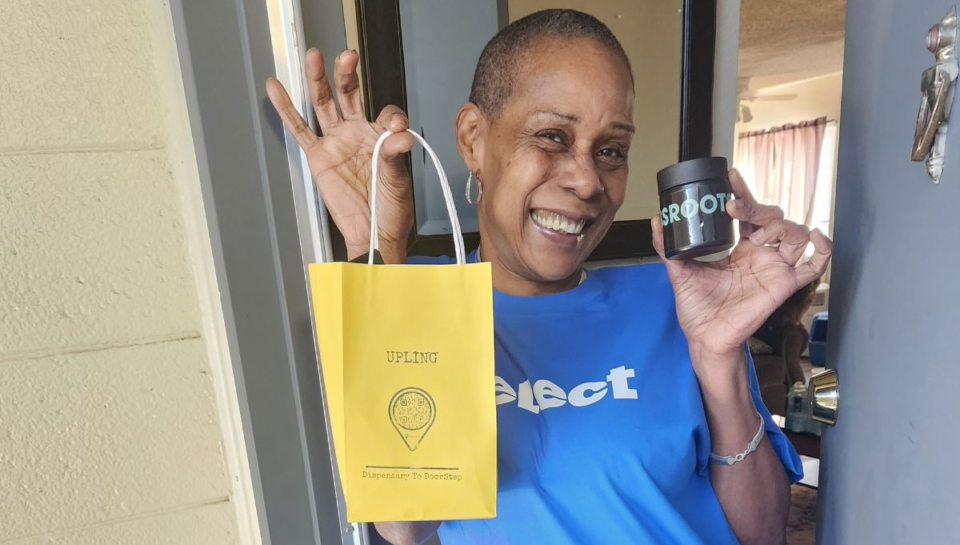
Ultimately, this is about more than industry codification. It’s about equity and supporting Maryland’s entrepreneurial ecosystem. At Upling, our main customers are medical patients, seniors, veterans and people living in parts of the state where limited access makes delivery essential.
Without permanent legislative action, new technologies risk stalling before they can benefit the state’s most vulnerable citizens. The uncertainty surrounding license renewals and the absence of clear legislative direction jeopardize not only patient care but also the future of Maryland’s growing tech and healthcare sectors.
Leaders like Will Jawando and Laurie-Anne Sayles have supported policies such as the Cannabis Reform Act, which created a community reinvestment fund that takes money from cannabis taxes and puts it back into communities impacted before the industry was legal.
However, the work is not finished. It is imperative to update Maryland’s cannabis laws, House Bill 556 and Senate Bill 516, to allow existing cannabis delivery services — currently limited to serving medical patients — to expand their operations. Making an addendum to Senate Bill 215 will ensure equitable access, support small businesses, and align with Maryland’s commitment to a robust and inclusive adult-use cannabis industry.
Until these changes are made, Maryland’s startups and patients remain at a crossroads, facing an inflection point that will determine the long-term success of the industry and the well-being of thousands of residents.
Marylanders deserve modern, equitable access to their medicine. Delivery is not a convenience; it is necessary for those who rely on cannabis to manage chronic conditions.
Protecting and expanding delivery options ensures that state residents maintain access to essential medication, keeps drivers working, and guarantees that the community continues to benefit from a safe, innovative model.
This session, it is imperative that policymakers move beyond temporary fixes and enact lasting solutions. The health and well-being of thousands of Maryland residents depend on it.
Subscribe to Technical.ly’s newsletters to stay connected. Each week, we share the latest in tech news, startup trends, career success stories, key resources and exclusive job opportunities, all delivered straight to your inbox.
COVID-era disruption left local gatherings uneven, while funding, burnout and access still test how technologists connect in person.
Born from one founder’s personal experience, the voice app turns interviews with loved ones into a searchable oral-history record.
The citywide study with tech company Mindgrub shows how people approach artificial intelligence tools, from early adopters to skeptics, guiding future public training.
Whether you want venture insights or community voices, these shows offer a closer listen to local innovation.
HarborMind is emerging from stealth with a speedy platform that maps sensitive information across enterprise networks.
Plus, Covington AI stealth startup Authentica appears to pick up funds, Lafayette housekeeping app Keepers crowdfunding brings in $380,000 and other Louisiana money moves.
Get ready to turn a practical connection into career momentum.
The region’s top innovation conference evolves its 2026 strategy, offering consistent, daily resources to support local businesses.
The cost of starting a company has dropped. The cost of scaling — in relationships, capital, and knowledge — may be as concentrated as ever.
At the GDIT event, federal contractors also discussed gamifying processes as a pathway to defense tech workforce retention.
The offshore gas terminal nears $4.3 billion in funding, while a court fight and market timing shape what comes next off Cameron Parish.
Plus, Nextgres joins Lift Labs, a new local robotics team gets global recognition and more power moves.
Something went wrong. Please refresh the page and/or try again.
All News
Philadelphia
Pittsburgh
Maryland
DC
Delaware
Omaha
National
Civic Tech, Policy & Government
Entrepreneurship & Business
Workforce & Jobs of the Future
Careers Resource Hub
Preferred Partners
Advertise With Us
Our Team
Our Services
Strategic Vision
Awards & Accreditations
Ethics in Journalism
Privacy Policy
Report an Issue
Contact Us
Make Technical.ly a preferred source when searching for tech and startup ecosystem news!
Sign in by entering the code we sent to , or clicking the magic link in the email.
Read our Privacy Policy here. This site is protected by reCAPTCHA and the Google Privacy Policy and Terms of Service apply.