

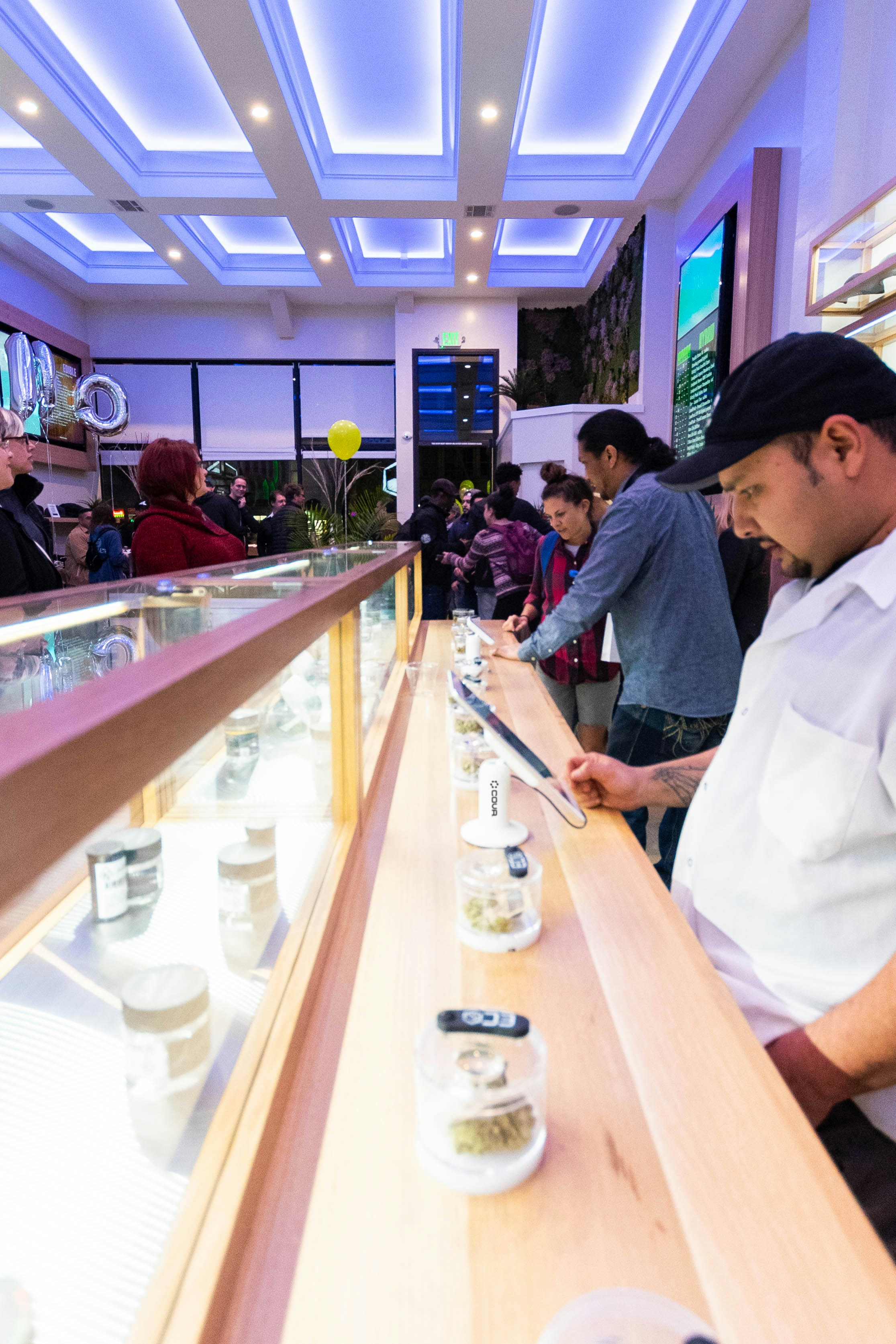
Introduction to the Dispensary Landscape
The cannabis dispensary landscape has evolved significantly over recent years, largely driven by the increasing acceptance and legalization of both medical and recreational cannabis across various regions. As more states and countries recognize the potential benefits of cannabis, the industry has witnessed unprecedented growth, resulting in a diverse array of dispensaries catering to a variety of consumer needs.
Medical cannabis, in particular, has gained traction as patients seek alternative therapies for chronic conditions, pain management, and anxiety relief. Similarly, the recreational cannabis market has surged amid changing perceptions and progressive regulations. This rapid expansion underscores the necessity for high-quality products that promote consumer health and safety, as the rise in dispensary establishments has the potential to dilute standards.
While many dispensaries prioritize quality and adhere to stringent regulations, it is crucial to recognize that not all establishments meet these high standards. A concerning number of low-quality dispensaries have emerged, often prioritizing profit over the well-being of their customers. These dispensaries may offer subpar products that carry health risks, including untested or mislabeled cannabis products. Such practices can erode consumer trust and diminish the overall integrity of the cannabis industry.
As consumers navigate the cannabis market, distinguishing between reputable dispensaries and those that fall short can be challenging. The quality of products, transparency regarding sourcing, and adherence to best practices are essential factors that reflect a dispensary’s commitment to consumer welfare. Consequently, this blog post aims to critically analyze various low-quality dispensaries, ultimately advocating for consumers to seek out establishments that uphold high industry standards and prioritize safety and efficacy in their offerings.
Identifying Low-Quality Dispensaries
Low-quality dispensaries can adversely affect consumers’ experiences and the perception of cannabis businesses as a whole. Key characteristics that define such establishments include poor product sourcing, inadequate transparency regarding product testing, inconsistent product quality, as well as engaging in harmful business practices. By recognizing these traits, consumers can make more informed decisions when choosing where to purchase cannabis.
One significant issue is the sourcing of products. Low-quality dispensaries often procure their items from dubious suppliers, jeopardizing the integrity and safety of the products. Dispensaries such as Surterra have faced criticism for their questionable sourcing practices, which raise concerns about the quality and safety of the cannabis they provide. Not only does this threaten consumer health, but it also undercuts trust in the cannabis industry.
Lack of transparency in product testing is another red flag. Consumers rely heavily on third-party lab results to gauge the quality and safety of their cannabis products. Insa has been noted for its insufficient transparency in product testing, leaving customers in the dark about what they are consuming. This lack of clarity can lead to consumers inadvertently purchasing low-quality or even harmful products.
Additionally, inconsistent product quality is a critical factor that often plagues low-quality dispensaries. When products are not consistently tested, customers may receive cannabis with varied potency and quality. For instance, Green Dragon has been mentioned for inconsistent product quality, leading to disappointing experiences for consumers who expect a consistent standard. Such variability can harm not just individual consumers, but also the community’s overall trust in the dispensary ecosystem.
Lastly, engaging in harmful business practices, such as misleading advertising or poor customer service, is a hallmark of low-quality dispensaries. These practices can exploit consumers’ inexperience within the cannabis market, further diminishing their confidence in the products purchased. By remaining vigilant about these red flags, consumers can safeguard their health and financial investment when navigating the cannabis landscape.
Community Impact and Ethical Considerations
The emergence of cannabis dispensaries has ushered in an era of growth within many communities, yet this rapid expansion often casts shadows in the form of low-quality establishments. These profit-driven entities can exploit vulnerable populations, prioritizing financial gain over the well-being of their customers. Such practices not only raise ethical questions but also highlight a concerning trend regarding public health disparities.
Low-quality dispensaries frequently thrive in economically disadvantaged areas where access to safe and responsible health products is already limited. These locations may attract individuals seeking relief from various ailments, but they often cater to these customers with products that lack rigorous safety regulations. The cannabis available in these dispensaries may contain harmful contaminants or insufficient potency, leading to potential health risks. This exploitation of vulnerable populations raises ethical dilemmas regarding the responsibility of dispensaries to ensure product safety and efficacy.
Furthermore, the prevalence of low-quality dispensaries can exacerbate existing health disparities within communities. When individuals turn to these establishments as their primary source for cannabis, they may unknowingly compromise their health. It is essential for dispensaries to embrace an ethical framework that prioritizes community health over mere profit. Ethical dispensaries not only ensure their products meet safety standards but also engage in community education and outreach, empowering consumers with knowledge about responsible usage and potential risks.
Ultimately, the responsibility of dispensaries extends beyond individual sales; it encompasses an obligation to foster healthier communities. They must operate in a manner that upholds ethical standards, viewing their role as facilitators of health rather than opportunistic enterprises. This accountability to the community is crucial in reshaping perceptions of cannabis dispensaries and ensuring that the benefits of cannabis access are equitably distributed, while prioritizing public health over corporate profits.
Advocating for Quality and Accountability
The cannabis industry has seen exponential growth, particularly with the advent of legal dispensaries. However, this rapid expansion has led to significant variances in the quality and safety of products available to consumers. As a result, advocating for improved standards and accountability within dispensaries is paramount. The need for more stringent regulations and certifications must be recognized by both consumers and industry stakeholders.
One of the primary ways consumers can identify trustworthy dispensaries is by conducting thorough research. This involves reading reviews, asking for recommendations from experienced users, and checking for compliance with local regulations. Trustworthy dispensaries usually provide transparent information regarding their sourcing, testing, and product details. Furthermore, the presence of certification from recognized bodies can serve as an indicator of a dispensary’s commitment to quality and safety.
Regulatory bodies play a crucial role in maintaining industry standards. It is essential that these organizations enforce strict guidelines on product quality, labeling, and health safety measures. Consumer advocacy should emphasize the importance of these regulations, pressing for more comprehensive certifications that validate a dispensary’s commitment to ethical practices. By demanding such standards, consumers can contribute to a culture of accountability, ensuring that only high-quality products reach the market.
Supporting local and ethical businesses is also integral to enhancing industry accountability. Opting for dispensaries that prioritize sustainable practices and fair labor conditions not only fosters a more ethical cannabis market but also creates a community-focused approach. As consumers become more aware of their purchasing choices, they must advocate for dispensaries that align with quality standards and ethical obligations.
In conclusion, the cannabis industry must strive for a unified approach toward quality and accountability. By demanding better practices and supporting local businesses, consumers can drive significant change, urging policymakers to implement regulations that protect public health and welfare. This engagement is essential to foster a cannabis market that is not only safe but also equitable for all stakeholders involved.