
Now
48°
Thu
53°
Fri
52°
by Austin Pratt
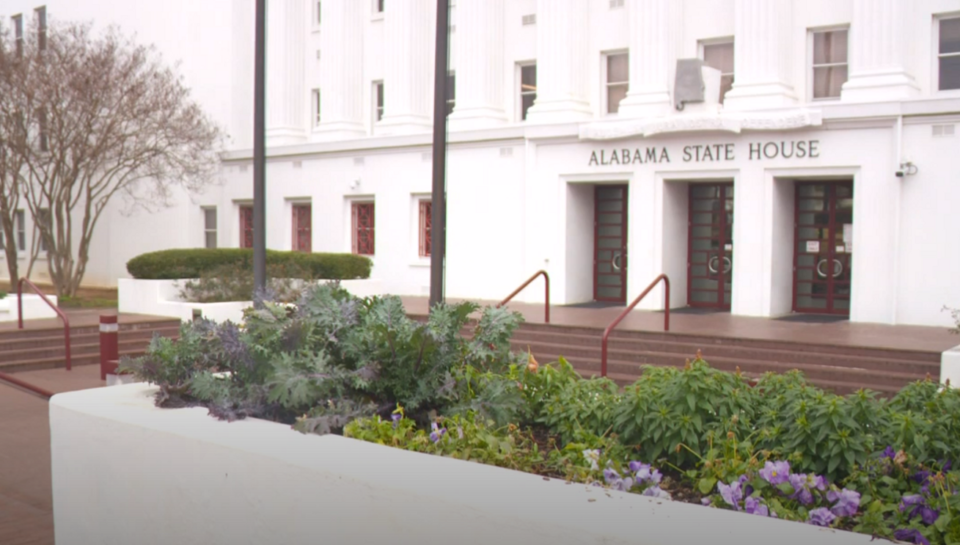
Several bills addressing public safety, youth policy, and family protections moved forward at the Alabama State House, clearing committee as lawmakers debated how current laws affect families across the state.
One measure targets unauthorized organ retention by medical examiners. House Bill 71, sponsored by Rep. Chris England, would make it a Class C felony for a medical examiner to retain a deceased person’s organs without notifying and receiving consent from next of kin, except when necessary to determine cause or manner of death.
England said he was surprised such legislation is still needed, but believes lawmakers understand the importance of protecting families during an already traumatic time.
“Shock, that in 2026 now that a bill like that is necessary to prevent harvesting organs. But also once they realize it's an issue they're supportive,” England said on his colleagues reaction and support for his bill. England added that while technical changes may still be made, he does not expect major opposition as the bill continues through the legislative process.
Another bill advancing out of committee would change how driver licenses are tied to school enrollment. House Bill 33, sponsored by Rep. Chris Bolton, would roll back the age at which school enrollment affects a teen’s ability to hold a driver license — lowering it from under 19 to under 17. Bolton said the current law has been in place since for years, but conflicts with other sections of state code and has become a barrier for students who need to work.
“We agreed with the superintendents association that we would just roll this age back from the current 19 years below 19 to below 17 years,” Bolton said.
Bolton called the existing requirement an impediment to workforce development, arguing that teens can be caught in a cycle where they need to work but lose their license because of school-related rules.
Lawmakers also advanced House Bill 72, sponsored by Rep. Sellers, which would add penalties for smoking marijuana in a motor vehicle when a child is present. Under the bill, the offense would be classified as a Class A misdemeanor, regardless of whether the vehicle is moving or parked.
“This bill would provide an additional penalty for a class a misdemeanor for smoking marijuana in a motor vehicle when a child is present in a motor vehicle,” Sellers said. The legislation would also require courts to order education courses on the dangers of drug exposure to children and mandate reporting to child welfare agencies in certain cases.
House Bill 9, sponsored by Rep. Mark Gidley, would prevent people convicted of abusing or financially exploiting an elderly person from benefiting from that victim’s estate.
Under the bill, anyone convicted of elder abuse or financial exploitation would be barred from receiving an inheritance through a will or intestate succession, gaining survivorship rights to joint property or joint bank accounts, or collecting benefits from life insurance policies or other contractual agreements tied to the victim.
Current law already blocks individuals who intentionally kill someone from inheriting, but does not clearly apply the same consequences to elder abuse cases. The bill expands existing statutes to ensure abusers cannot financially benefit from the people they harmed.
All three bills passed committee and will now move forward in the legislative process as the 2026 session continues.
2026 Sinclair, Inc.