To stream WTOL on your phone, you need the WTOL app.
Next up in 5
Example video title will go here for this video
Next up in 5
Example video title will go here for this video
MONROE, Mich. — One month into Michigan’s new wholesale marijuana tax, some dispensaries say customer traffic has remained steady, even as the broader industry shows signs of strain.
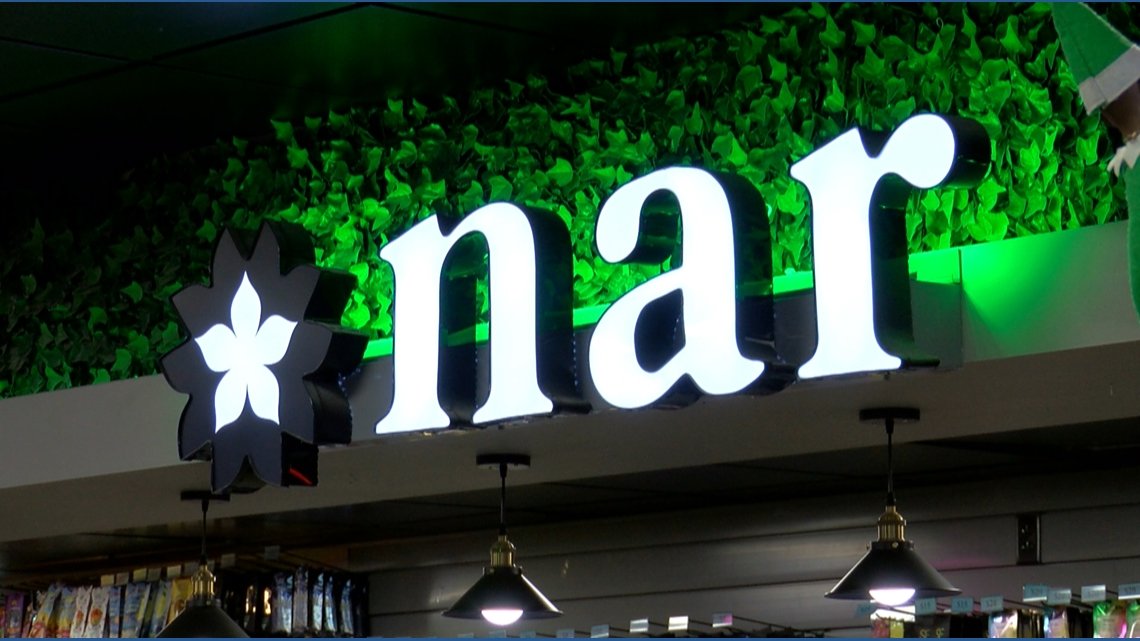
At NAR Cannabis in Monroe, Harrison Carter said his business has not seen major changes yet.
“We’re not here to, you know, make an extra penny off of an implied tax,” Carter said.
Carter said customer traffic — including buyers from neighboring Ohio — has stayed consistent so far.
“It’s kind of been one to one. We’ve seen basically similar traffic month to month,” he said.
The new 24% wholesale tax on adult-use cannabis took effect statewide Jan. 1, adding another layer to Michigan’s existing 10% excise tax and 6% sales tax.
But Carter said challenges across the industry were already present before the tax took effect.
“There’s no secret — in the state of Michigan our industry is struggling,” he said.
State data shows Michigan’s marijuana market has recently slowed. In 2025, adult-use dispensaries recorded about $3.17 billion in sales, down from $3.27 billion the year before. The average price for an ounce of cannabis flower also dropped to about $58.20 in late 2025, down from $69.20 a year earlier and more than $95 in late 2023. Michigan also ended 2025 with 2,171 active cannabis licenses, down 85 from the previous year.
Republican State Sen. Joe Bellino Jr. said the new tax could put additional pressure on businesses, especially those near the Ohio border.
“As Ohio builds it out and becomes more adept at marketing as Michigan is, we’ll lose all those out-of-state customers,” Bellino said.
Bellino voted against the tax last fall, arguing the combined tax burden is too high.
“You add a 24% and bam, now you’re 40% above,” Bellino said. “The tax will kill a big part of the border business. That’s what’s going to happen.”
For now, Carter said many customers have not yet felt price changes because some dispensaries are still selling older inventory.
“As we start to move through some of that 2025 inventory, that’s where we’ll start to see some gradual changes,” Carter said.
He expects prices could begin rising by summer.
“If it cost me $100, that same exact product now costs me $124,” Carter said. “So that $24 has to be reflected somehow.”
Industry leaders say the coming months will show how much the market — and consumers — can absorb.