Arizona Senators Approve Measures To Criminalize ‘Excessive’ Marijuana Smoke Or Odor
Maryland Senators Weigh Bill To Let Firefighters And Rescue Workers Use Medical Marijuana While Off Duty
Four More States Advance Bills To Allow Medical Marijuana Access In Hospitals
What The New York Times Got Wrong—And Right—About Marijuana Legalization (Op-Ed)
NYC Mayor Mamdani Projects Increased Marijuana Tax Revenue As New Shops Open
AI Models Like ChatGPT Can Generate ‘Convincingly Realistic’ Psychedelic Experiences When Virtually Dosed, Study Shows
Cannabis-Infused Drinks Offer Consumers A ‘Harm Reduction’ Alternative To Alcohol, Study Shows
Marijuana Use Isn’t A ‘Red Flag’ In The Dating Scene, Three In Four Americans Say In New Survey
10 Million US Adults Microdosed Psychedelics Last Year, New Report Shows
Marijuana’s Restrictive Federal Classification Isn’t Supported By Science, New Study Concludes
DEA Promotes Anti-Marijuana PSA Contest Inviting Students To Warn Peers About THC Dangers On 4/20
Largest Entertainment Arena In US Partners With Cannabis Businesses To Sell THC Drinks At Concerts And Live Events
Woody Harrelson Got Kicked Out Of Two Bars For Smoking Marijuana With Matthew McConaughey’s Mom
State Marijuana Regulators Share Tips On How To Stay Safe And Legal Around The Holidays
One In Three Americans ‘Pre-Game’ With Marijuana Before Family Holiday Gatherings, Survey Finds
Montana Retailers Have Sold More Than $1 Billion Worth Of Recreational Marijuana Since Legalization Took Effect
Pre-Rolls Are A Key Driver Of The Cannabis Retail Market’s Success (Op-Ed)
Massachusetts Hits $10 Billion Marijuana Sales Milestone, With Top Official Saying Consumption Lounges Will Bolster Industry In 2026
Ohio Dispensaries Sold More Than $1 Billion Worth Of Legal Marijuana In 2025
Marijuana Consumers Are More Likely To Shop At Target Following Decision To Sell Cannabis-Infused Drinks, Poll Shows
Cannabis legalization on the ballot in Texas (Newsletter: February 20, 2026)
FDA misses cannabis deadline mandated by Congress (Newsletter: February 19, 2026)
Virginia cannabis bills passed by House and Senate (Newsletter: February 18, 2026)
GOP congressman celebrates cannabis’s ongoing Schedule I status (Newsletter: February 17, 2026)
Feds finalize Medicare CBD coverage rule, hemp industry operative says (Newsletter: February 16, 2026)
Published
on
By
Arizona senators have approved a pair of measures that would make the act of creating “excessive” amounts of marijuana smoke or odor a criminal nuisance punishable by jail time, even if the person is using cannabis in compliance with state law in their own homes.
Despite concerns about undermining the will of voters who passed legalization at the ballot and ambiguity around enforceability and what constitutes “excessive” marijuana smoke, members of the Senate Judiciary and Elections Committee on Friday passed the bill and a companion resolution to put the issue on the ballot in 5-2 and 4-3 votes, respectively.
The legislation from Sen. J.D. Mesnard (R) was amended at the hearing in an attempt to provide a clearer definition of “excessive” smoke and remove a reference to making the offense a “crime.” However, certain members still argued that the measures lack clarity and would continue to pose the threat of criminalization by making the offense a class 3 misdemeanor, punishable by up to 30 days in jail, a maximum $500 fine and up to one year of probation.
The revised definition of excessive cannabis smoke or odor describes it that which is “capable of being detected by a person on the private property of another person.”
It also adds a presumption the law that the creation of excessive marijuana smoke or odor is “injurious to health, indecent, offensive to the the senses and an obstruction to the free use of property that interferes with the comfortable enjoyment of life or property and is a public nuisance.”
Mesnard said he decided to push the issue “based on personal experience” with his own neighbors, “as well as hearing from other people the growing frustration that folks may do whatever they wish on their own private property, but the moment it starts to impact others on their private property, in their homes no less, that it becomes a whole other issue.”
“I can tell you that it’s it’s been regrettable to me that I’ve had to have conversations with my four-year-old that I shouldn’t have to have because of what is maybe happening a few houses down in my neighborhood—such strong smell and smoke coming down the way,” he said. “If getting high is important to you, there’s a host of ways you can do it without causing an impact to your surrounding neighbors, so it’s as simple as that.”
Several members of the public testified in opposition to the proposals, arguing that it would unfairly inhibit the rights of adults to use cannabis under the state’s legalization law and would be difficult to challenge in court to contest an allegation of creating excessive smoke or odor, for example.
The ACLU of Arizona also voiced opposition to the measures, with a representative arguing that it would “undermine voter intent” and that the issue of public smoking and odor has already been addressed by the courts which have determined that “the mere odor of marijuana no longer automatically establishes criminal activity.”
“SCR 1048 and the mirror bill’s [SB 1725] reliance on subjective assessments like excessive marijuana odor opens the enforcement to exactly the type of discretionary judgment that bias research shows lead to disparities and outcomes,” they said. “This leads to equal protection violations and arbitrary enforcement.”
—
Marijuana Moment is tracking hundreds of cannabis, psychedelics and drug policy bills in state legislatures and Congress this year. Patreon supporters pledging at least $25/month get access to our interactive maps, charts and hearing calendar so they don’t miss any developments.
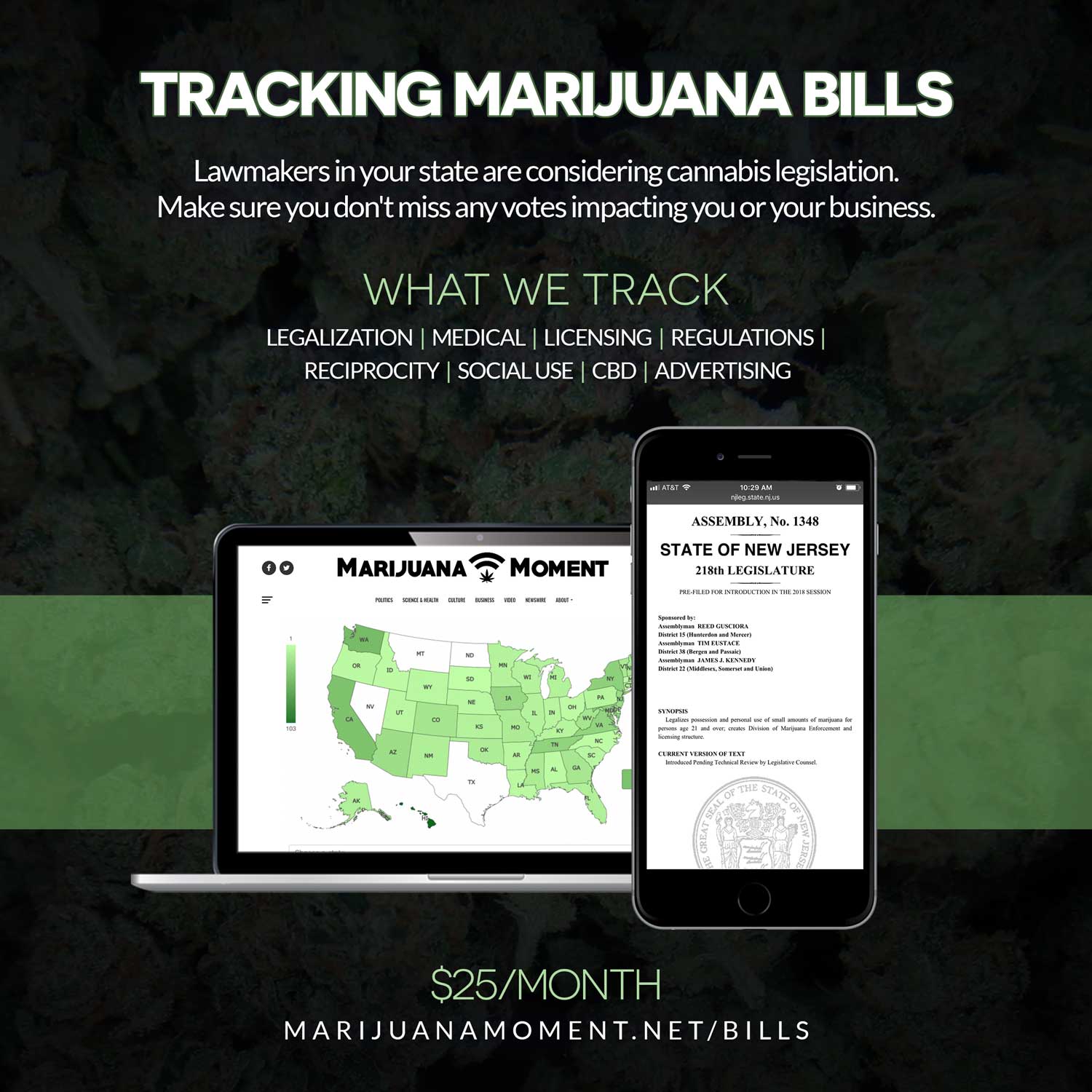
Learn more about our marijuana bill tracker and become a supporter on Patreon to get access.
—
In the background of this legislation, anti-cannabis activists are working to put an initiative on the state’s November ballot that would significantly roll back its voter-approved marijuana legalization law.
A GOP congressional lawmaker said recently he’d like to see his state take that action—but he also acknowledged that President Donald Trump’s recent federal rescheduling order could complicate that prohibitionist push.
Under the proposal, possession would remain lawful if voters chose to enact the initiative—and Arizona’s medical marijuana program would remain intact—but the commercial market for recreational cannabis that’s evolved since voters approved an adult-use legalization measure in 2020 would be quashed.
A findings section on the latest initiative states that “the proliferation of marijuana establishments and recreational marijuana sales in this state have produced unintended consequences and negative effects relating to the public health, safety, and welfare of Arizonans, including increased marijuana use among children, environmental concerns, increased demands for water resources, public nuisances, market instability, and illicit market activities.”
“Arizona’s legal marijuana sales have declined for two consecutive years, resulting in less tax revenue for this state, while some patients have relied on recreational use of marijuana instead of utilizing the benefits of this state’s medical marijuana program,” it says.
The initiative would also instruct the legislature to make conforming changes by amending existing statute as it relates to the commercial industry, including tax and advertising rules.
In order to make the ballot, the campaign will need to collect 255,949 valid signatures by July 2. If the proposal goes to voters and is approved, it would take effect in January 2028.
It remains to be seen if there will be an appetite for repeal among voters, as 60 percent of the electorate approved legalization at the ballot in 2020.
What’s more a poll from last year found majority support for medical cannabis legalization (86 percent), adult-use legalization (69 percent) and banking reform (78 percent).
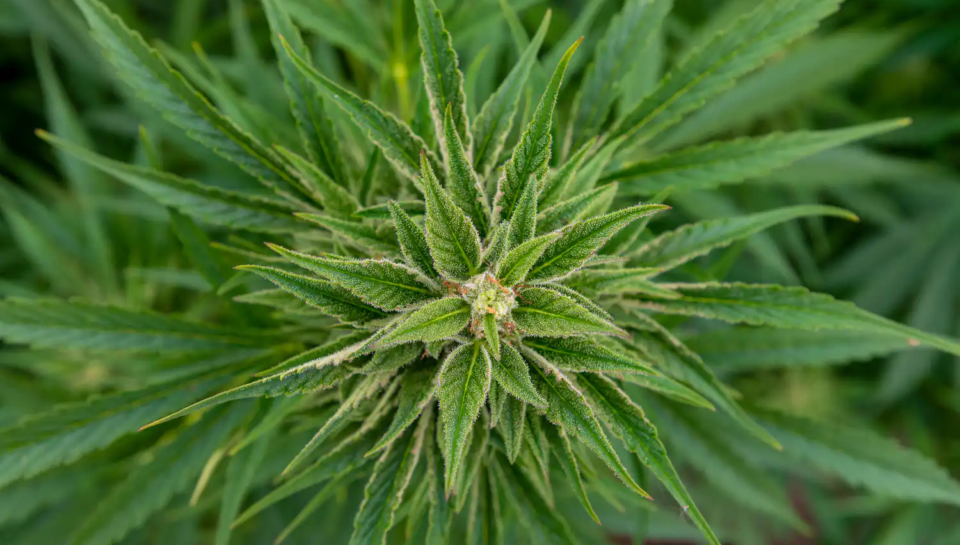
Photo courtesy of Max Jackson.
Kyle Jaeger is Marijuana Moment’s Sacramento-based managing editor. He’s covered drug policy for more than a decade—specializing in state and federal marijuana and psychedelics issues at publications that also include High Times, VICE and attn. In 2022, Jaeger was named Benzinga’s Cannabis Policy Reporter of the Year.
Add Marijuana Moment as a preferred source on Google.
All the cannabis news you need, all in one place. Copyright © 2017-2026 Marijuana Moment LLC ® and Tom Angell