

The Current State of the Marijuana Industry
The marijuana industry has witnessed rapid growth in recent years, evolving significantly from its initial stages as a largely underground market to a multi-billion-dollar legal sector. This progress can largely be attributed to the increasing acceptance and legalization of cannabis across various states, including Florida. The market dynamics in Florida, where numerous dispensaries are competing for a share of the expanding consumer base, illustrate the heightened activity and competition within the industry.
In Florida alone, the marijuana industry has gathered substantial momentum, spurred by the state’s medical marijuana program and evolving regulatory frameworks. Key players, such as Ayr Dispensary, Surterra, Green Dragon, and MUV, have established a strong presence in this competitive landscape, offering a diverse range of products to meet evolving consumer preferences. These companies are navigating a complex environment characterized by unique state legislation and fluctuating consumer demand, which requires adaptive strategies to thrive in the sector.
Statistical data highlights this surge in consumer demand for marijuana products. Research indicates that sales have climbed steadily, with year-on-year growth demonstrating an increasing acceptance of cannabis as both a medical and recreational choice among users. Furthermore, demographic trends suggest that demand is not limited to any one group but rather reflects a wider cross-section of the population, appealing to a diverse audience with varying needs and preferences. This trend underscores the importance of market adaptability for dispensaries striving to capture this expanding consumer base.
As regulatory changes continue to shape the industry, dispensaries must remain vigilant and informed of the evolving legal landscape. Embracing innovation in product offerings, marketing, and customer service will be essential for established and new entrants alike, as competition intensifies in this burgeoning economic sphere. Understanding these dynamics will be crucial for any dispensary aiming to remain relevant and successful in the current state of the marijuana industry.
Identifying the Impact of Competition on Established Dispensaries
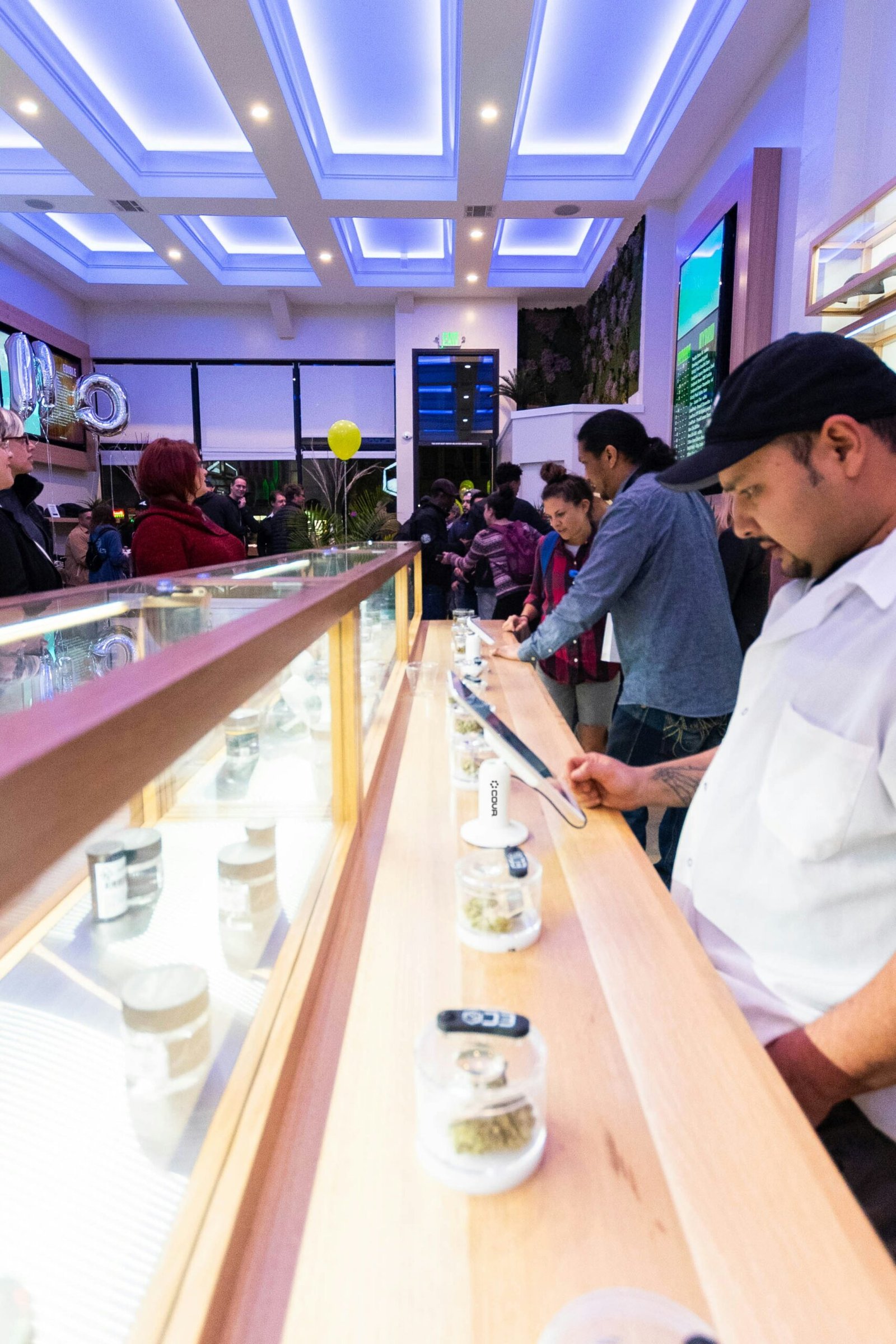
As the marijuana industry continues to grow, established dispensaries are encountering specific pressures due to the influx of new competitors. One significant challenge is the increasing pricing pressure. New entrants often adopt aggressive pricing strategies to attract customers, which compels established dispensaries to reevaluate their pricing models. This situation can lead to a price war, which may undermine profit margins and lead to financial instability for those dispensaries that are unable to adjust quickly enough.
Additionally, marketing strategies must evolve. Established dispensaries may have relied on brand loyalty and word-of-mouth to maintain their customer base. However, with the arrival of new businesses, there is a necessity for dispensaries to adopt innovative marketing techniques. Engaging digital marketing campaigns and personalized customer experiences can help distinguish one dispensary from another in a saturated market. Case studies have shown that dispensaries that invest in digital marketing not only retain customers more effectively but also attract new clientele by showcasing their unique offerings and promotions.
The changing landscape of consumer expectations presents another area of concern. Newer dispensaries often cater to younger demographics who prioritize diverse product options and an experiential shopping environment. Existing dispensaries are thus required to adapt their inventory and customer service approaches to meet these evolving preferences. For example, some established dispensaries have begun to host educational events and workshops to enhance customer engagement and provide valuable information about their products. This not only helps to retain existing customers but also draws in new clients seeking a more comprehensive purchasing experience.
Strategies for Adaptation and Success in a Competitive Market
The marijuana industry is becoming increasingly competitive as new dispensaries enter the marketplace at a rapid pace. To thrive in this challenging landscape, established dispensaries must adopt a range of actionable strategies aimed at enhancing their appeal and maintaining a loyal customer base.
One effective approach is to enhance the customer experience by providing an inviting atmosphere and personalized service. Dispensaries can invest in training their staff to offer knowledgeable recommendations and cater to individual customer preferences. Additionally, implementing a loyalty program can also incentivize repeat visits, fostering a sense of community among clients.
Leveraging technology is another key strategy. By integrating point-of-sale systems and customer relationship management software, dispensaries can streamline operations and gather valuable data about purchasing trends. Utilizing social media and developing a robust online presence can also help dispensaries engage with their audience, promote special offers, and expand their reach beyond the local area. Online ordering and delivery services have become increasingly popular and can provide a significant competitive edge.
Diversifying product offerings is crucial for staying relevant. Dispensaries should consider expanding their inventory to include a variety of cannabis products such as edibles, oils, and topicals, in addition to traditional flower. This not only meets the varied needs of customers but also attracts a broader demographic, including those who may be new to cannabis consumption.
Finally, building strong community relationships is imperative. Collaborating with local businesses and participating in community events can foster goodwill and brand loyalty. Partnerships with health and wellness organizations can also help educate the public about the benefits of cannabis, strengthening the dispensary’s image as a trusted source of information.
By implementing these strategies, established dispensaries can effectively navigate the competition and ensure their long-term success in the marijuana industry.
The Future of the Marijuana Industry: Predictions and Insights
The marijuana industry is on a trajectory of significant evolution, influenced by various factors such as ongoing legalization efforts, shifting consumer preferences, and rapid technological advancements. In light of these developments, industry predictions for 2026 and beyond suggest that the market will diversify and expand considerably.
One primary factor is the trend toward broader legalization at both state and federal levels. As more regions embrace cannabis for recreational and medicinal purposes, dispensaries will inevitably see an influx of new customers. This expanded consumer base will likely necessitate improved customer service strategies and innovative product offerings, tailored specifically to diverse consumer preferences.
Moreover, as public perception of cannabis continues to shift, consumers are becoming more discerning. They are increasingly inclined to seek high-quality products that are both sustainable and ethically sourced. Dispensaries must adapt by investing in quality assurance processes and emphasizing transparency about product sourcing, thereby aligning themselves with changing consumer expectations.
Technologically, advancements in cultivation and inventory management will further reshape the landscape. Innovative growing techniques, such as vertical farming and hydroponics, allow dispensaries to increase yield while maintaining product quality. Additionally, utilizing sophisticated inventory management software can streamline operations for dispensaries, drastically improving efficiency and customer experience.
Financially, the competition will likely intensify, which compels both new and established dispensaries to remain agile. They must continuously adapt their marketing strategies and product lines to keep abreast of emerging trends. Creating a unique brand identity and providing exceptional customer experiences will be pivotal for competitive differentiation in an increasingly crowded marketplace.
In conclusion, as the marijuana industry continues to evolve, it becomes crucial for dispensaries to stay informed and agile, embracing innovation and transparency while adapting to new consumer preferences. The future holds significant potential for those willing to pivot and grow alongside the industry.