Driving under the influence of marijuana is illegal in Massachusetts, but unlike alcohol, there’s no set definition for it. We went to a police academy to learn how officers train to identify all kinds of impairment.
Driving under the influence of marijuana is illegal in Massachusetts, but right now, there is no clear definition to determine that, like there is for alcohol.
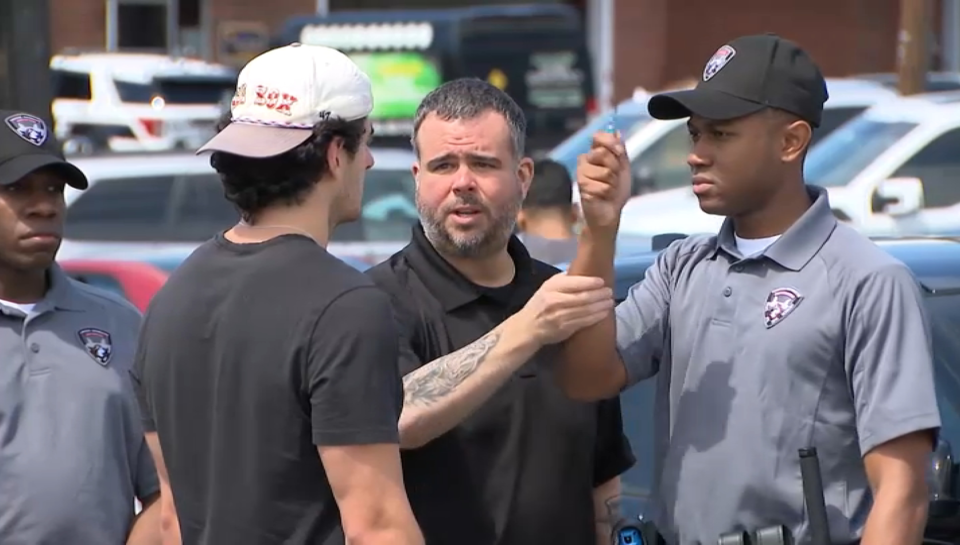
Student officers at the Cambridge-Northeastern Police Academy learn how to identify impairment regardless of how a driver got there. The training is as real as it gets, where volunteers get just drunk enough to help student police officers train how to determine if a driver is impaired.
Stream NBC10 Boston news for free, 24/7, wherever you are.
In Massachusetts, a breathalyzer can determine your blood alcohol content – anything over 0.08% means you should not be driving. But marijuana has no set standard, according to police.
Cambridge Police Sgt. Jason Callinan, an academy instructor at Cambridge-Northeaster Police Academy, explained that the current testing can help identify someone who is impaired from marijuana.
“Generally, we are looking for these indicators of impairment which correlate with someone’s ability to operate a motor vehicle,” Callinan said.
Police say field sobriety tests are not fully reliable for determining marijuana intoxication. Cambridge Police Sgt. Robert Reardon, who also instructs at the academy, said the divided attention portion of the field sobriety assessment can help determine if a driver is impaired.
“There would be signs that this person would not be able to safely operate a motor vehicle and some of these tests would be able to identify that,” Reardon said.
The Massachusetts Chiefs of Police Association is backing legislation that would create a commission to help create a marijuana impairment standard and how to determine it. Most departments now rely on drug recognition experts.
“For instance, narcotics cause a restricting of the pupils, makes them tiny. They may be slow, slurring their speech,” Callinan said.
But police say their training always prioritizes public safety, Callinan noted: “Now it is incumbent on the officer to figure out why. If it is not alcohol related, is it drug related or is it medical impairment?”
One other major tool in the works is a device that could help determine marijuana intoxication similar to a breathalyzer.