Trump’s Marijuana Rescheduling Order Could Let Washington, D.C. Finally Legalize Recreational Sales
Congresswoman Pushes Trump’s New Drug Czar To Back Full Marijuana Legalization And Follow ‘Science, Not Stigma’
Top Hawaii Lawmaker Previews Bill To Let Voters Decide On Marijuana Legalization At The Ballot
New Hampshire House Passes Bills To Legalize Marijuana And Let Dispensaries Convert To For-Profit Status
More Americans Want To Quit Using Alcohol And Tobacco Than Marijuana In 2026, New Year’s Resolution Poll Finds
CBD Has ‘Substantial Promise’ To Combat Tumors From Cancer, Scientific Review Shows
Marijuana Users Are Being Unjustly Jailed For Allegedly Driving Under The Influence, Government-Funded Study Shows
California Officials Award $30 Million In Marijuana Revenue To Support Research On THC Drinks, Terpenes And Tribal Cannabis Sales
Medical Marijuana Use Is ‘Prevalent’ Among People With Disabilities—And It Helps Treat Pain, New Federally Funded Study Shows
Teen Marijuana Use ‘Remained Stable’ As Legalization Expands, Federal Health Officials Acknowledge
State Marijuana Regulators Share Tips On How To Stay Safe And Legal Around The Holidays
One In Three Americans ‘Pre-Game’ With Marijuana Before Family Holiday Gatherings, Survey Finds
As More Americans Choose Marijuana Over Alcohol, Mainstream Media Notices The ‘Cousin Walk’ Thanksgiving Tradition
Joe Rogan Slams ‘Really Bad’ Federal Hemp Ban Trump Signed, Blaming Alcohol Industry For Influencing Congress
New Netflix Documentary Shows How Psychedelics Help Military Veterans Heal Trauma
Ohio Dispensaries Sold More Than $1 Billion Worth Of Legal Marijuana In 2025
Marijuana Consumers Are More Likely To Shop At Target Following Decision To Sell Cannabis-Infused Drinks, Poll Shows
Marijuana Company Sues DoorDash, Total Wine And Others Over Alleged Illegal Sales Of Hemp THC Products
Whiskey Company Scales Back Operations, Citing ‘Consumer Shifts’ Toward Marijuana As Alcohol Alternative
Target Begins Selling THC-Infused Cannabis Drinks As Congress Debates Possible Hemp Law Reversal
Trump drug czar pushed to back full cannabis legalization (Newsletter: January 8, 2026)
New Trump drug czar supports medical cannabis (Newsletter: January 7, 2026)
DEA says cannabis rescheduling process still “pending” (Newsletter: January 6, 2026)
Supreme Court schedules cannabis case argument (Newsletter: January 5, 2026)
Congressional dispute over Biden’s cannabis pardons (Newsletter: January 2, 2026)
Published
on
By
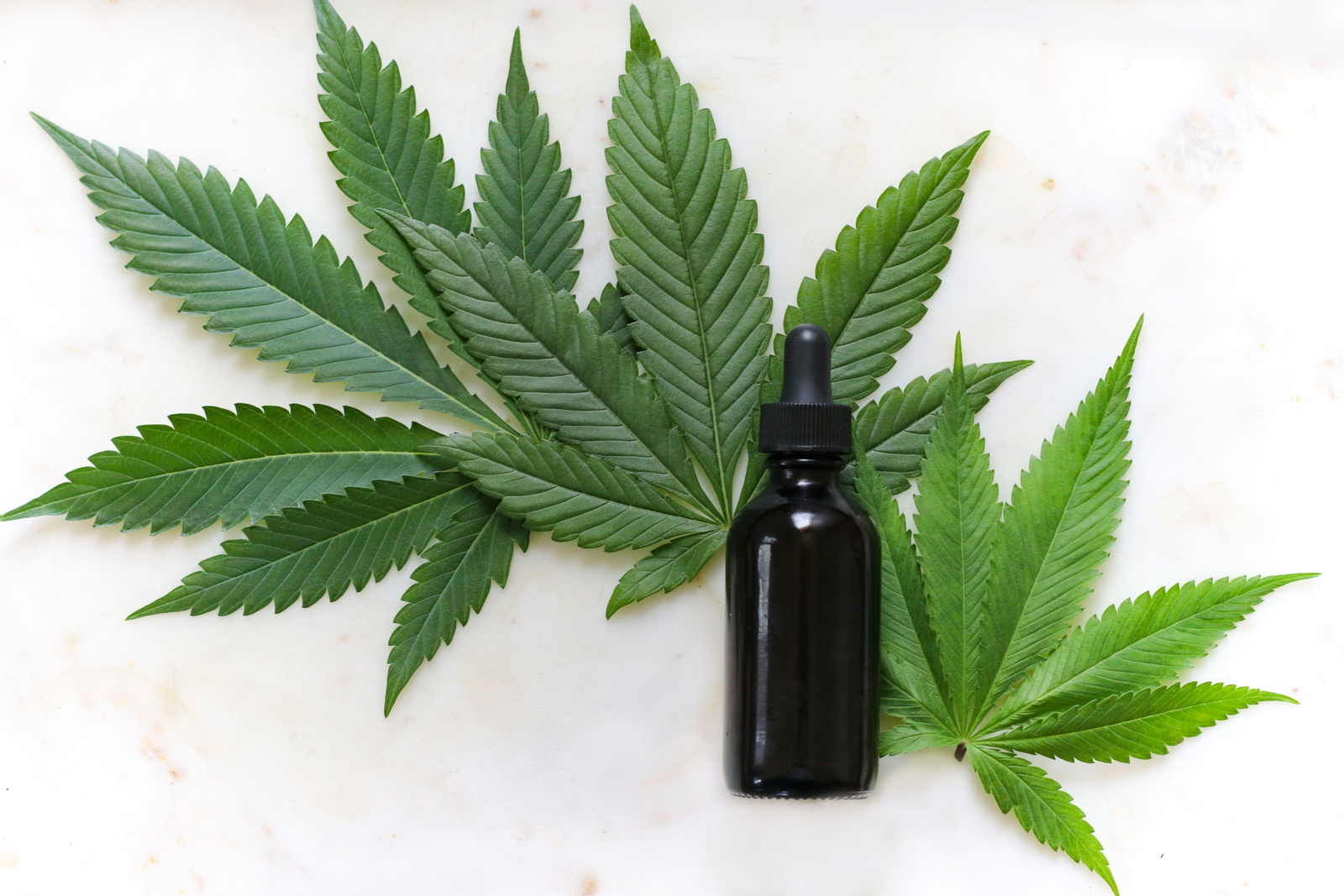
Cannabidiol (CBD), a non-intoxicating compound in marijuana, “holds substantial promise as an anti-tumor agent” in addition to its other anti-inflammatory properties, a new scientific review
Scientists explored CBD’s effect on many types of cancer—including some of the most aggressive ones, such as glioblastoma, which affects the brain. They also noted it can help suppressing the growth and metastasis of other cancers, including breast, lung, colorectal, ovarian and prostate, among others.
“CBD exhibits multi-targeted anti-tumor effects by disrupting key cancer hallmarks,” they found.
The paper, funded by National Natural Science Fund of China, was designed as a systematic review of previous studies evaluating the cancer fighting qualities of CBD.
The idea behind much of the research is to study how cancer cells survive by hijacking normal biological signals like growth cues, stress responses and immune pathways. The novelty scientists found was that CBD doesn’t seem to target just one of these systems and instead nudges several of them at once, pushing cancer cells toward collapse through overlapping and complementary effects.
In colon cancer models, for example, CBD interferes with a receptor called GPR55, which helps tumors grow and migrate. Blocking that receptor weakens a pathway cancer cells rely on to divide quickly, and in some cases makes tumors more responsive to chemotherapy. Other experiments show CBD dialing down genes linked to aggressive growth while switching on stress-related pathways that slow things down.
Lung and breast cancers appear to respond in related but slightly different ways. In non-small cell lung cancer, combinations of CBD and THC reduce tumor growth by interfering with epithelial-mesenchymal transition, the process that allows cancer cells to spread. In breast cancer models, CBD has been shown to stop cells mid-cycle, trigger programmed cell death and activate autophagy, the cell’s internal recycling system turned destructive.
“Cannabidiol (CBD), an FDA-approved and well-tolerated compound, demonstrates promising antitumor effects by inhibiting cancer growth, metastasis, and angiogenesis, while also alleviating cancer-related symptoms such as pain and nausea.”
There are also practical challenges, however. CBD is poorly absorbed when taken by mouth and is heavily metabolized, which means only a fraction may reach tumor tissue. To get around this, scientists are exploring nanoparticle-based delivery systems designed to improve absorption, target tumors more precisely and minimize side effects.
Looking ahead, researchers say progress will depend on careful, methodical work. Tools like single-cell sequencing could help clarify how different tumor populations respond to CBD. Well-designed clinical trials will be essential to determine whether the effects seen in the lab translate into benefits for patients, especially when CBD is used alongside standard treatments.
The study’s authors, who are affiliated with medical schools throughout China, noted the need to further explore the promise of CBD’s anti-tumor properties.
“Future trials must stratify patients by tumor type and molecular markers to establish correlations between dosing, timing, and efficacy,” they wrote. The paper, which was not peer reviewed, was published in the December 2025 issue of the scientific journal Phytomedicine.
The new study follows a series of encouraging discoveries related to CBD’s properties.
In 2025, for example, a paper published in the journal Pharmacology & Therapeutics, assessed a range of clinical and preclinical findings that the efficacy of chemotherapy drugs can be enhanced by medical marijuana.
In a sign of greater acceptance of medical applications of cannabis, President Donald Trump’s choice to serve as the next White House drug czar has called medical marijuana a “fantastic” treatment option for seriously ill patients and said she doesn’t object to legalization, even if she might not personally agree with the policy.
Also last year, a study found that “patients with cancer using cannabis report significant improvements in cancer-related symptoms.”
Aaron Houston is a veteran strategist, journalist and advocate in cannabis and drug policy reform, with more than two decades of experience at the intersection of science, law and politics. He has advised members of Congress, the White House and major medical associations and played a pivotal role in enacting the first federal medical cannabis law in U.S. history. A former director of government relations at the Marijuana Policy Project (MPP), executive director of Students for Sensible Drug Policy and chief strategist at Weedmaps, Aaron has appeared on CNN, NBC’s Today Show and The Colbert Report. He was also featured in the original Showtime documentary In Pot We Trust. During his time at MPP, he served as the in-house expert on the pharmacokinetics, toxicology and metabolism of THC and its impact on driving ability, supervising a grant to study such effects. Aaron has been named a “Rising Star of Politics” and “Influencer 50” by Campaigns and Elections Magazine. Aaron’s passion for harm reduction led him to work in homeless services, where he has personally delivered thousands of doses of the life-saving opioid-reversal drug naloxone.
Add Marijuana Moment as a preferred source on Google.
All the cannabis news you need, all in one place. Copyright © 2017-2026 Marijuana Moment LLC ® and Tom Angell