
Outdoor vs. Indoor Grown Marijuana: Which is Better?
Understanding the Basics of Marijuana Cultivation
Marijuana cultivation can be categorized into two primary methods: outdoor and indoor. Each method offers distinct advantages and challenges, and understanding these differences can help growers make informed decisions. Outdoor marijuana cultivation typically relies on natural elements such as sunlight, soil, and the seasonal climate to nurture the plants. In contrast, indoor cultivation provides a controlled environment, enabling growers to manipulate factors like light intensity, temperature, and humidity.
Regarding environmental conditions, outdoor grow operations benefit from sunlight, which is essential for photosynthesis and promotes strong plant growth. However, outdoor plants also face challenges such as pests, unpredictable weather, and varying soil quality. Varieties suited for outdoor growth often adapt well to local climates, thriving in natural ecosystems.
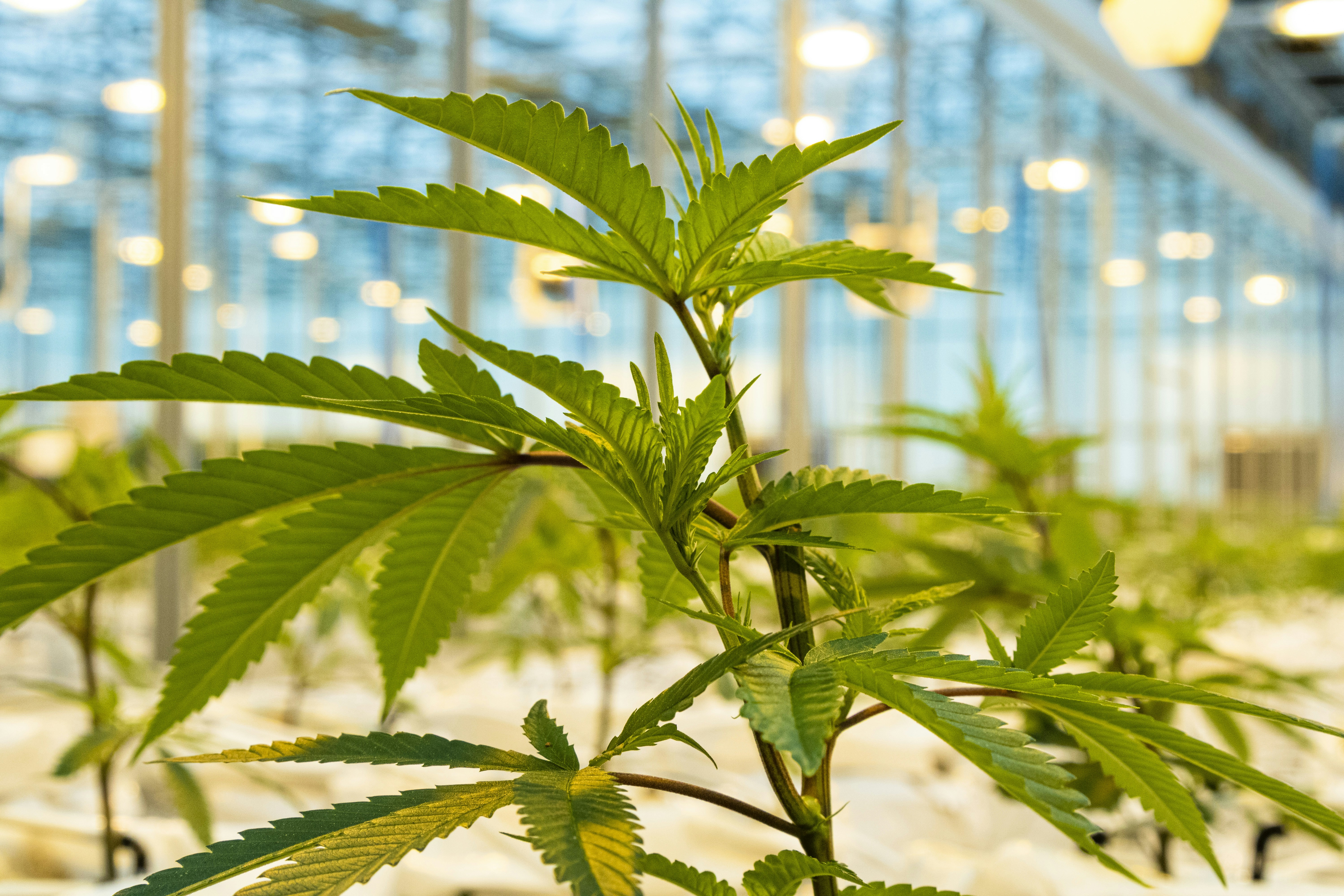
Indoor cultivation, on the other hand, allows for year-round growth regardless of external environmental conditions. This method involves using grow lights, controlled temperatures, and regulated humidity levels to create an optimal setting for marijuana plants. Hydroponic and soil-based systems are common within indoor setups, facilitating precise control over nutrient delivery. Plants grown indoors tend to have a more consistent quality due to the controlled variables; however, they require a higher initial investment in equipment and energy.
Light is a crucial factor in both cultivation methods. Outdoor plants rely directly on daylight, while indoor growers must carefully select artificial light sources that replicate the sun’s spectrum. Temperature fluctuations can occur naturally outdoors but must be meticulously managed indoors to prevent plant stress. Humidity and soil conditions differ significantly between the two methods, affecting growth rates and overall plant health. Understanding these fundamental aspects of marijuana cultivation helps potential growers assess their preferences and capabilities in choosing between outdoor and indoor growing styles.
Quality and Potency Comparison of Outdoor vs. Indoor Marijuana
The debate surrounding the quality and potency of outdoor versus indoor grown marijuana has long been a topic of interest among cannabis enthusiasts and researchers alike. Each cultivation method presents distinct advantages, impacting the final product’s cannabinoid and terpene profiles, aroma, flavor, and overall effects. Understanding these differences is crucial for consumers seeking the best experience.
Outdoor marijuana is often characterized by its broader spectrum of cannabinoids, primarily due to exposure to natural sunlight and environmental conditions. These factors allow plants to develop unique terpene profiles, contributing to diverse aromas and flavors. Additionally, outdoor plants typically grow larger, producing higher yields. However, they can be subjected to pests, diseases, and climate fluctuations, which may affect quality.
Conversely, indoor marijuana cultivation allows for a controlled environment, which can lead to more consistent quality and potency. Growers can fine-tune light spectrums, humidity, and temperature to maximize cannabinoid production. This precision can enhance the growth of specific terpenes, often resulting in products that are visually appealing and potent. However, the limitation of space and resources may restrict yield when compared to outdoor-grown alternatives.
Research on the subject has shown mixed results regarding which method yields superior products. Some studies suggest that indoor marijuana might have higher concentrations of THC, while outdoor options could enhance terpene richness. Anecdotal evidence from users indicates personal preferences vary, with some favoring the broad spectrum of effects from outdoor strains, while others prefer the potency and flavor consistency of indoor-grown products.
Ultimately, the choice between outdoor and indoor marijuana may depend on personal preferences regarding flavor, aroma, and desired effects. Both options contribute significantly to the rich diversity present in today’s cannabis market, catering to varying consumer preferences.
Cost and Accessibility: The Economic Factors
When considering the economic factors of marijuana cultivation, the debate between outdoor and indoor growing presents distinct advantages and disadvantages regarding startup and operating costs. Starting with outdoor cultivation, many growers find it to be a more cost-effective method, particularly in regions with favorable climates. The primary expenses involved in outdoor farming include land acquisition or leasing costs, seeds or seedlings, and general labor. Depending on the local laws and environment, outdoor growers may save significantly on utility bills, as sunlight and natural elements reduce the need for expensive artificial lighting and temperature control mechanisms.
On the other hand, indoor marijuana cultivation requires a larger initial investment, particularly due to the high costs of establishing a controlled environment. Growers must consider expenses such as grow lights, HVAC systems, irrigation setups, and ventilation. Furthermore, the recurring operational costs associated with electricity and water consumption can accumulate quickly. Indoor growers often need to allocate budget for additional labor to manage the more complex environment, which can also tip the scales towards higher overall expenses.
Accessibility is another crucial factor influencing the choice between outdoor and indoor cultivation. While outdoor growing often relies on natural resources and techniques, making it feasible for many legacy growers, indoor cultivation can offer year-round production. However, it typically requires access to specialized materials and knowledge, and not all regions have easy access to greenhouse facilities. The cost of these materials can be a barrier for new growers considering indoor setups, potentially limiting their ability to enter the market. Let us not forget that while both methods have unique economic factors, understanding these can significantly influence a grower’s decision-making process.
Choosing the Right Method: Considerations for Growers
When it comes to cultivating marijuana, growers must carefully weigh their options between indoor and outdoor growing methods. Each approach presents distinct advantages and challenges, and the choice greatly depends on various factors unique to the grower.
One of the primary considerations is climate. Outdoor cultivation thrives in regions with consistent sunlight and suitable temperatures throughout the growing season. However, areas with harsh winters or extreme weather conditions may significantly hinder outdoor yields. Conversely, indoor growers can control all environmental factors, such as light, humidity, and temperature, providing a consistent environment regardless of external conditions.
Another critical factor is local regulations. It is essential for growers to familiarize themselves with laws governing marijuana cultivation in their area. Some jurisdictions impose strict limitations on outdoor growing, while others may have leniencies that could influence a grower’s decision. Compliance with these regulations will determine the feasibility of either cultivation method.
Space availability also plays a significant role in the choice of growing method. Indoor cultivation requires sufficient space equipped with the necessary infrastructure for proper ventilation, lighting, and security. On the other hand, outdoor growing demands access to suitable land parcels, which may not be accessible to every cultivator.
Additionally, understanding the targeted consumer market preferences can guide the decision-making process. For example, some cannabis consumers may prefer organically grown, sun-kissed plants typically associated with outdoor cultivation. Meanwhile, others might lean towards the higher potency and specialized strains that tend to be more easily cultivated indoors.
Ultimately, personal goals, experience level, and available resources should inform the grower’s decision. Novice cultivators may find indoor methods more manageable, while seasoned growers with ample land and experience might excel in outdoor cultivation. Carefully assessing these considerations will empower growers to choose the most suitable method for their marijuana cultivation endeavors.