Introduction to Circle K’s Hemp Drinks
Circle K, a renowned convenience store chain, has expanded its product offerings to include a range of hemp-infused beverages. These drinks have gained traction within the health-conscious community, appealing to consumers seeking alternative wellness solutions. Incorporating hemp as a key ingredient, these beverages are primarily marketed for their potential wellness benefits, such as promoting relaxation and overall health enhancement.
The growing popularity of hemp drinks can be attributed to a rising consumer interest in natural and functional beverages. As more individuals search for healthier options in their daily diets, Circle K has identified an opportunity to cater to this demand. By leveraging hemp’s properties, the brand aims to position itself within the competitive landscape of health-focused drinks, which increasingly includes options rich in antioxidants, vitamins, and essential fatty acids.
Circle K’s approach to hemp drinks reflects a broader trend within the beverage industry, where companies are exploring the use of hemp-derived ingredients for their potential health benefits. The inclusion of hemp seed oil and extracts in drinks may attract consumers looking for products that support wellness without the psychoactive effects commonly associated with cannabis. This strategic focus not only capitalizes on the legal deregulation of hemp in various regions but also aligns with growing consumer preferences towards organic and plant-based ingredients.
In summary, Circle K’s introduction of hemp drinks signifies both a commitment to innovation and an understanding of market dynamics. By positioning these products within the health beverage category, Circle K is not only responding to consumer trends but also contributing to the evolving narrative around hemp’s role in dietary health.
The Nature of Hemp Drinks vs. THC Products
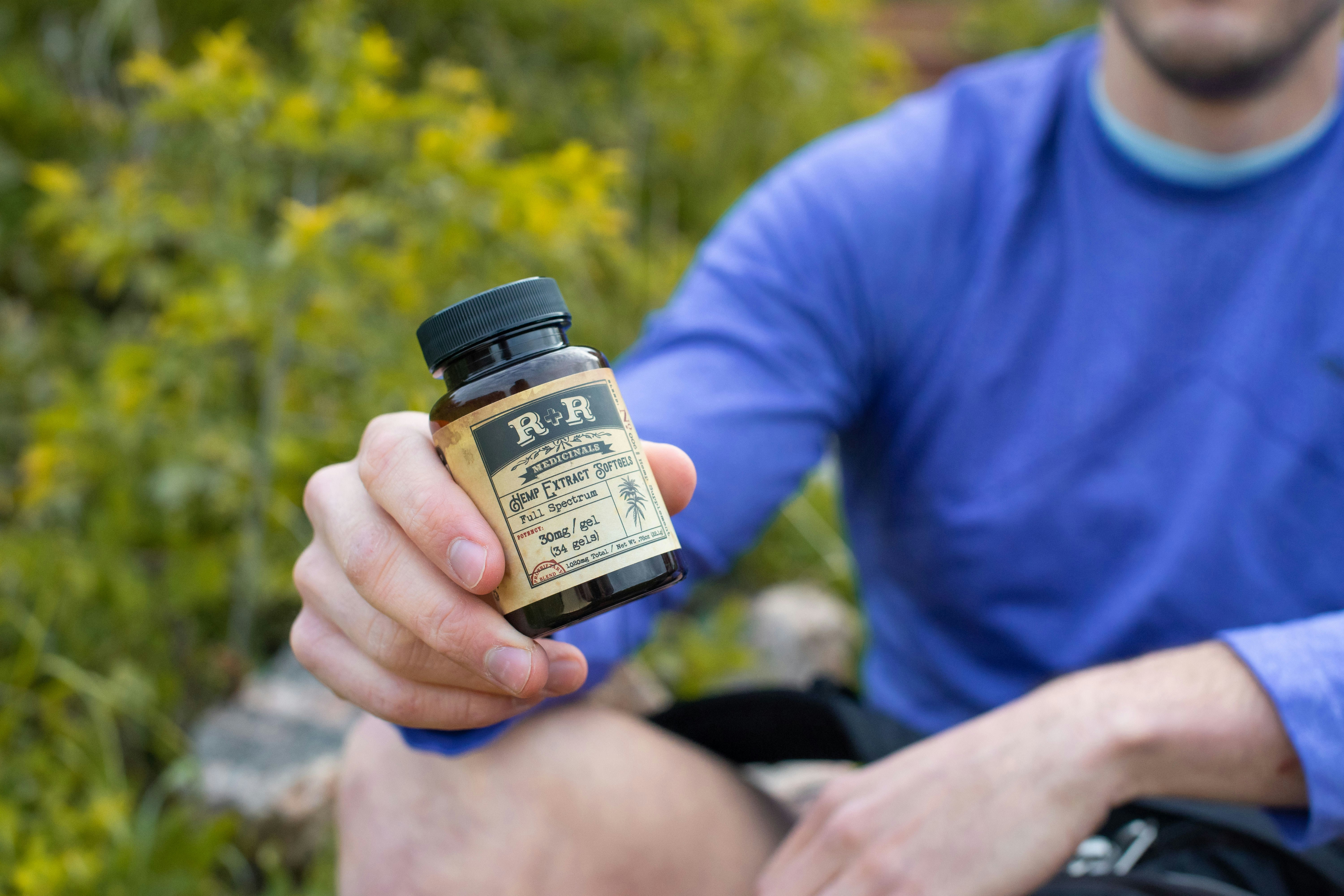
The landscape of cannabis-infused beverages has evolved significantly, marked by the rise of hemp drinks prominently offered by retail chains like Circle K. Understanding the fundamental differences between these hemp-based beverages and traditional tetrahydrocannabinol (THC) products is essential for consumers navigating this new market. One of the primary distinctions lies in their chemical composition; hemp drinks typically contain cannabidiol (CBD) or other non-psychoactive cannabinoids, whereas THC products include tetrahydrocannabinol, which is responsible for the psychoactive effects commonly associated with cannabis.
Hemp drinks derived from the hemp plant primarily utilize CBD, which has garnered attention for its potential health benefits such as anxiety relief and anti-inflammatory properties, without inducing the euphoric high that THC does. This characteristic encourages a broader appeal among consumers who may be hesitant about traditional THC products due to their psychoactive nature. Consequently, hemp drinks often attract individuals seeking alternative wellness solutions, prompting increased interest within both the health-conscious demographic and casual consumers.
Furthermore, consumer choice is heavily influenced by the legal status of hemp and THC products. Hemp is federally legal in many regions, making hemp drinks, such as those available at Circle K, more accessible to a wider audience. In contrast, THC products remain regulated and often restricted due to their psychoactive properties. As such, individuals may perceive hemp drinks as a safer, more acceptable option. The growing acceptance and market penetration of hemp drinks reflect a significant shift in consumer perception and behavior, favoring non-psychoactive alternatives over traditional THC products.
The Addictive Nature of Hemp Drinks
Circle K’s hemp drinks have garnered significant attention in recent years, raising questions about their potential addictive qualities. Understanding the ingredients and marketing strategies employed in promoting these beverages provides insight into their consumption patterns and how they may contribute to habitual use. The hemp infusion present in these drinks often includes cannabidiol (CBD), a non-psychoactive compound found in cannabis that has gained popularity for its purported health benefits. However, the question arises: can these seemingly harmless beverages foster dependency?
In considering the addictive nature of Circle K’s hemp drinks, it is essential to examine their formulation. Many of these beverages contain sugar, caffeine, and other stimulating ingredients that may enhance their appeal and encourage regular consumption. The combination of sweet flavors and the relaxing properties attributed to CBD can create a pleasurable drinking experience, potentially leading to repeated purchases by consumers. This phenomenon aligns with principles of behavior psychology, where rewarding experiences can lead to the reinforcement of specific habits.
Furthermore, Circle K’s marketing strategies play a pivotal role in shaping consumer behavior. The brand actively promotes hemp drinks as wellness products, leveraging a perception of health benefits to attract a broader demographic. These marketing efforts can normalize the consumption of such beverages, making them a habitual choice for many individuals. As consumers become accustomed to the ritual of reaching for a hemp drink, the likelihood of developing a dependence increases. The social dynamics surrounding hemp drinks, perpetuated by influencers and peers, can further solidify this behavior, leading to a cycle of habitual consumption.
Understanding the addictive qualities of Circle K’s hemp drinks necessitates a comprehensive evaluation of ingredients, marketing, and consumer patterns. With the pervasive nature of these beverages in contemporary society, it is crucial for consumers to remain vigilant about their usage to avoid inadvertently fostering dependency.
Health Implications of Hemp Drinks
Hemp drinks, such as those offered by Circle K, have been increasingly popular among consumers seeking alternative beverages. These drinks often boast numerous health benefits, which include essential fatty acids, vitamins, and plant-based protein derived from hemp seeds. A standard serving of hemp drinks typically contains omega-3 and omega-6 fatty acids, known for their anti-inflammatory properties. This characteristic positions hemp drinks favorably when considering cardiovascular health.
However, it is crucial to approach these claims with scrutiny. The nutritional content may vary significantly depending on the formulation and added ingredients. Some hemp drinks may contain high levels of sugar or other sweeteners, which could negate the potential health benefits. Additionally, the presence of additives or preservatives could lead to unwanted side effects for sensitive individuals.
Potential side effects associated with hemp consumption are generally rare but can include digestive issues in those who are not accustomed to consuming hemp products. Moreover, while hemp drinks can be a rich source of dietary fiber, excessive consumption may result in bloating or discomfort.
Health claims surrounding hemp drinks often cite their ability to support overall wellness, from aiding digestion to promoting skin health. However, scientific research on these specific health benefits remains limited and often inconclusive. Therefore, it is essential for consumers to differentiate between scientifically-backed health benefits and marketing claims. For individuals considering incorporating hemp drinks into their diet, moderation is key, and consulting with a healthcare provider is advisable, particularly for those with pre-existing health conditions or those taking medication.
Comparing Hemp Drinks to THC: Health Benefits
Cannabis products, particularly those containing tetrahydrocannabinol (THC) and hemp drinks, have garnered significant attention in recent years, prompting discussions about their respective health benefits. Circle K’s hemp drinks, while marketed as a wellness alternative, often lead to the misconception that they provide superior health advantages compared to THC-rich products. It is essential to explore these claims critically, particularly the suggested benefits associated with each.
Research indicates that THC has well-documented therapeutic properties, particularly in pain management and appetite stimulation, which can be beneficial for patients undergoing treatments such as chemotherapy. Studies have shown that THC can effectively reduce nausea and improve quality of life for those suffering from severe conditions. On the other hand, hemp drinks, including those offered by Circle K, primarily contain cannabidiol (CBD), which has gained recognition for its potential to alleviate anxiety and promote relaxation, but lacks many of the pronounced effects attributed to THC.
Public health data indicates that while cannabinoid products can contribute positively to health outcomes, the effects of THC are not entirely synonymous with those of hemp drinks. Experts suggest that the entourage effect of THC, where various compounds work synergistically, creates a more significant therapeutic potential compared to isolated CBD found in many hemp-based beverages. For instance, a study published in the Journal of Pain Research illustrates how THC enhances the analgesic properties of certain medications, which cannot be replicated by hemp drinks.
Thus, while Circle K’s hemp drinks may represent a healthier lifestyle choice for some individuals, especially for those preferring to avoid high THC levels, they should not be regarded as a universally superior alternative. Both product types serve distinct purposes and should be evaluated within the context of individual health goals and medical advice.
Consumer Responsibility and Education
The growing popularity of hemp drinks has sparked discussions concerning their health implications and potential for addiction. As consumers, it is essential to understand the crucial distinctions between hemp drinks, often marketed by companies like Circle K, and THC-infused products. Hemp drinks may offer certain perceived health benefits, such as anti-inflammatory properties and relaxation, but the consumer must educate themselves about the ingredients and effects associated with these beverages.
One of the pivotal aspects of consumer education is recognizing that not all hemp products contain THC, the psychoactive compound found in cannabis that can induce a high. Hemp drinks are typically made from hemp seeds or oil, which primarily feature CBD (cannabidiol) rather than THC. CBD does not possess the same intoxicating effects as THC, making it appealing to consumers looking for natural wellness alternatives without the cognitive impairments associated with cannabis. Awareness of these differences can greatly influence the decision-making process about one’s health and wellness choices.
Brands like Circle K play a significant role in this educational journey. They bear the responsibility to market their hemp drinks transparently and ethically, ensuring that consumers are well-informed about the product’s contents and benefits. This includes accurate labeling, detailing the absence of THC and the intended uses of the drinks. Alongside ethical marketing, providing resources and education about dosage and potential side effects enables consumers to make informed health-related choices. As the market for hemp drinks continues to expand, proactive efforts in education will be essential in addressing consumer inquiries and preserving public trust in these products.
Regulatory Landscape for Hemp and THC Products
The regulatory landscape for hemp drinks and THC products is complex and varies significantly across different regions and jurisdictions. In many countries, including the United States and Canada, the legal status of hemp-derived products has evolved in recent years, particularly following the legalization of hemp under the 2018 Farm Bill in the U.S. This legislation distinguished hemp, which contains less than 0.3% THC, from marijuana, enabling a surge in the market for hemp-derived products, including beverages.
However, while hemp itself may be legalized, the regulations concerning hemp drinks can still differ widely between states and provinces. Some regions may adopt stricter guidelines, particularly for THC-infused products, which remain subject to varied laws concerning their sale, distribution, and consumption. For example, states that have legalized recreational marijuana typically permit hemp and THC products, while others may still impose stringent restrictions.
The implications for consumers are substantial, as navigating this patchwork of laws can be challenging. Consumers must be aware of the regulations in their respective regions to ensure they use these products responsibly. Retailers, such as Circle K, have a crucial role in adhering to these legal requirements while also promoting health-conscious products. This includes not only maintaining compliance with state and federal regulations but also ensuring that the marketing and sales of hemp drinks do not mislead consumers regarding their health benefits or potential risks.
Furthermore, the responsibilities of retailers extend to ensuring that their staff is informed about these products. Knowledgeable employees can provide accurate information, helping consumers make informed choices while actively promoting responsible consumption habits. As the market for hemp drinks like those offered at Circle K continues to grow, ongoing dialogue and clarity in regulatory adherence will be essential for protecting consumers and supporting healthy product choices.
The Role of Marketing in Consumer Choices
Marketing plays a pivotal role in influencing consumer choices, especially in a competitive market where brands strive to differentiate themselves. Circle K has effectively employed various strategies to promote its hemp drinks, positioning them as a trendy and health-conscious option for consumers. The branding efforts surrounding these products often highlight natural ingredients and purported health benefits, which can appeal to health-aware individuals looking for alternatives to traditional beverages.
One major aspect of Circle K’s marketing strategy is the use of attractive packaging and eye-catching designs that resonate with younger demographics. The visual presentation not only draws attention but also creates a perception of quality and innovation. Furthermore, messages that emphasize the organic nature of hemp and its associated health benefits can lead to misconceptions about its safety and potential for overconsumption. Consumers may interpret these claims as a blanket endorsement of hemp drinks, potentially overlooking moderation.
Promotional tactics such as in-store displays, social media campaigns, and influencer partnerships further amplify Circle K’s reach. These tactics are designed to create a buzz around the product, often glamorizing hemp drinks as a lifestyle choice rather than just a beverage. Coupled with promotional discounts and limited-time offers, these strategies can easily incentivize consumers to purchase more than they may intend to, leading to a conundrum where the perceived health benefits could unintentionally encourage excessive consumption.
Overall, while Circle K aims to promote its hemp drinks as a healthy alternative, the marketing strategies employed may contribute to misunderstandings regarding the product. This dynamic raises important questions about consumer education and the need for clarity in branding messaging, ensuring that individuals are fully informed about what they consume and the implications on their health.
Conclusion and Personal Recommendations
In concluding this review of Circle K’s hemp drinks, it’s essential to revisit the key arguments surrounding the health implications and addiction potential associated with hemp-based products. While Circle K’s offerings may claim to provide wellness benefits without the psychoactive effects of THC, it is imperative to consider the underlying ingredients and their impacts on health. Hemp drinks can vary significantly in quality and formulation, necessitating a cautious approach for consumers.
Given the nuances of hemp beverages, consumers are encouraged to educate themselves about the nutritional content and potential side effects of these products. For those seeking similar health benefits without the risks, alternatives such as herbal teas or natural fruit juices could be safer options. These beverages typically avoid the contentious aspects of hemp and THC while still offering refreshing and nutrient-rich choices.
Furthermore, consumers should be diligent in researching and selecting brands that prioritize transparency and quality in their formulations. Products that are third-party tested for safety and efficacy can provide peace of mind. Engaging in discussions with healthcare professionals about the consumption of hemp drinks may also offer personalized insights, guiding individuals toward choices that align with their health objectives.
Overall, while Circle K’s hemp drinks present an interesting avenue for exploration within the market, it is critical for consumers to remain vigilant and informed. The world of hemp-infused beverages is still evolving, and an educated choice is paramount to ensure both health and satisfaction in consumption.