

The Predicted Government Takeover of the Marijuana Industry
The landscape of the marijuana industry is witnessing a profound transformation, and one of the most significant predictions involves an impending government takeover. This shift is anticipated as many states and countries recognize the potential economic benefits and need for regulation in an increasingly popular sector. As medicinal and recreational marijuana usage continues to soar, the potential for government intervention appears more likely than ever.
One of the primary implications of such a takeover would be the establishment of a more organized market. Currently, the fragmentation in regulations and practices across various jurisdictions has led to a chaotic environment. A government-led initiative could standardize regulations, ensuring safety, quality, and consistent pricing. This shift would ultimately contribute to consumer protection, alleviate concerns regarding product integrity, and enable a more robust tax structure.
Emerging trends indicate growing government involvement, which is already becoming evident in regions that have legalized marijuana. For instance, we observe governments moving toward the implementation of tax structures on sales, regulating advertising, and setting up quality control measures to combat illicit activities related to marijuana distribution. This trend reflects a broader understanding that proper government oversight can help mitigate risks while maximizing the advantages of a legalized marijuana market.
In addition to enhancing regulation and consumer safety, a government takeover may open up opportunities for job creation, innovation, and economic growth. A systematic approach can pave the way for increased investment in research, facilitating advancements in medical marijuana and refining cultivation practices. Furthermore, with structured government involvement, medicinal marijuana may gain heightened legitimacy as a viable treatment option, further expanding its access and applications.
Impact on Existing Industry Giants and Small Businesses
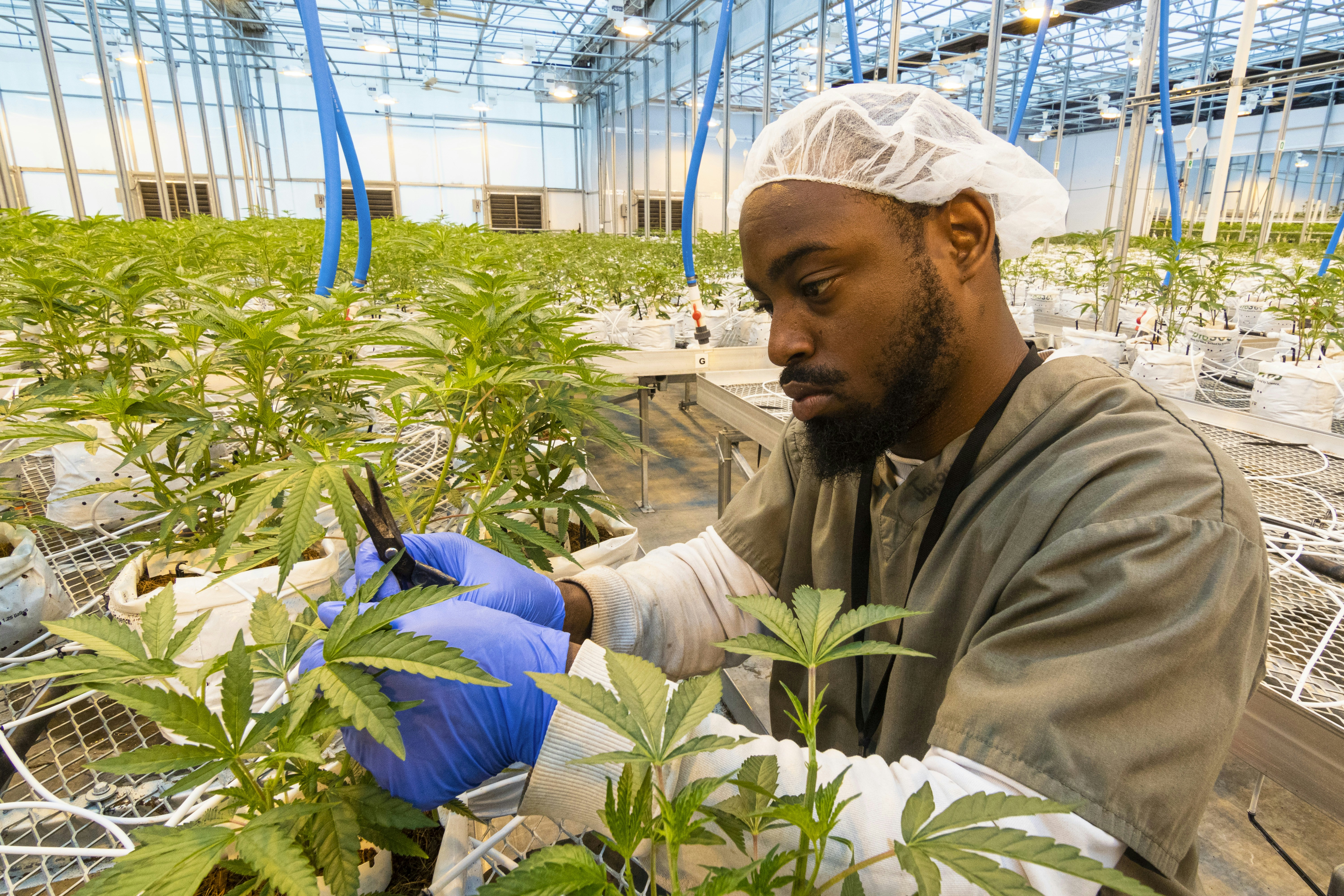
The potential for a government takeover in the marijuana industry could significantly alter the landscape for both large corporations and small businesses. Major players like Trulieve, Curaleaf, and Green Thumb Industries have already begun to strategize in anticipation of incoming regulatory changes. As the regulatory framework becomes more structured and formalized, these companies are investing in compliance measures, expanding their operational capabilities, and enhancing their branding efforts to maintain a competitive edge. By focusing on cultivating strong relationships with state regulators, these giants aim to mitigate risks associated with compliance and capitalize on the projected growth of the market.
Furthermore, large entities are also likely to engage in mergers and acquisitions to further solidify their market position. The competitive pressure may push these companies to innovate continuously, ensuring that they remain ahead of their smaller counterparts. As regulations solidify, the emphasis on quality assurance, product safety, and transparent supply chains will become even more critical for these corporations.
On the other hand, small dispensaries may face formidable challenges in adapting to the new regulatory landscape. With increased compliance costs, many small business owners may struggle to remain solvent amidst heightened competition from larger firms. The necessity to comply with stricter regulations could force some small operators out of business or lead them to seek partnerships or collaborations with larger entities, effectively diminishing their independence.
As the industry evolves, those small businesses that can adapt their operational models to meet new requirements will be better positioned for survival. Strategies may include diversifying product offerings or focusing on niche markets. However, the uncertainty surrounding regulations and ongoing market pressures will likely force many small players to reevaluate their strategies in the face of an increasingly competitive landscape dominated by formidable industry giants.
Reasons Behind the Shift: Regulation and Ethical Concerns
As the marijuana industry continues to expand, various underlying factors are driving the shift towards a more regulated structure. One of the primary reasons for advocating for government oversight is the inconsistent safety standards currently prevalent in the market. Many consumers are encountering products that lack transparency regarding their contents, potentially leading to adverse health effects. By implementing regulatory frameworks, governments can establish rigorous testing protocols that ensure product safety and quality, ultimately fostering trust and confidence among consumers.
Another critical concern is the accessibility of quality medicinal marijuana. Patients often face challenges in obtaining the right products for their individual health needs due to disparities in availability. A government-led initiative can streamline the distribution process, ensuring that those requiring medicinal use have equitable access to necessary treatments. Regulated channels can help eliminate disparities, allowing for a more balanced allocation of resources across various demographics.
Ethical considerations also play a fundamental role in advocating for a government takeover of the marijuana industry. The current system often perpetuates inequalities, where marginalized communities struggle to access the benefits of legal marijuana. Government regulation can address this issue by creating policies that promote social equity, including initiatives that assist minority-owned businesses in the cannabis sector. Such measures can help bridge the gap between different communities, fostering inclusivity and support for those historically disadvantaged by the prohibition of marijuana.
Moreover, structured oversight can aid in the combat against illicit markets that thrive in the absence of standardization. Regulatory bodies can enforce laws that diminish illegal activities, contributing to a safer environment overall. In creating a framework that incorporates safety, accessibility, and fairness, the government can successfully navigate the complexities of the marijuana industry, ensuring that it serves not just the interests of a few, but all citizens of the nation.
The Future of Marijuana Sales: Government as a Retailer
The landscape of marijuana sales is poised for a transformative shift, especially as governments begin to play a more substantial role as retailers in the industry. The potential advantages of government-operated dispensaries are significant, particularly in terms of enhanced regulation. By controlling the sale of marijuana, governments can ensure that products are accurately labeled, clinically tested, and adhere to health and safety standards. This approach could lead to decreased instances of unregulated or unsafe products entering the market, thereby instilling greater confidence among consumers.
Moreover, the establishment of government dispensaries is likely to improve product availability. By centralizing sales, local governments can streamline distribution and ensure a consistent supply chain. This could be particularly beneficial in areas where access to marijuana has historically been limited or plagued by illegal sales. In such contexts, a government-driven framework could offer a reliable alternative that meets consumer demand while simultaneously stabilizing the market dynamics.
Another crucial aspect of this paradigm shift is consumer protection. By having the government as a retailer, consumers have greater recourse against any grievances or product-related issues, ultimately fostering a sense of security. As consumers adjust to this new structure, public perception of marijuana use is likely to evolve. Traditionally, marijuana has often been stigmatized; however, the involvement of government could legitimize its existence in American society as a regulated and respectable commodity, similar to alcohol or pharmaceuticals.
As the lines between medical and recreational use continue to blur, government dispensaries may also help strike a balance between these needs, catering to both user groups comprehensively. This could facilitate a broader acceptance of marijuana as a versatile substance, further aiding in the normalization of its use. The ongoing evolution of government-operated dispensaries represents not only an innovative sales model but also a significant cultural shift regarding marijuana in the United States.