Sign up to our free newsletter to get the latest news delivered straight to your inbox.
AFRO American Newspapers
The Black Media Authority
Your contribution is appreciated.
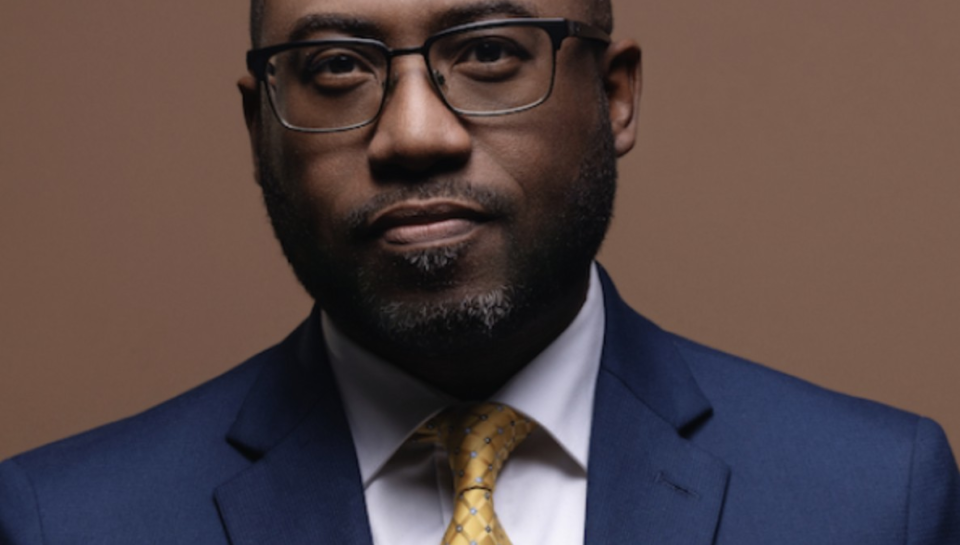
By Rev. Dr. Heber Brown, III
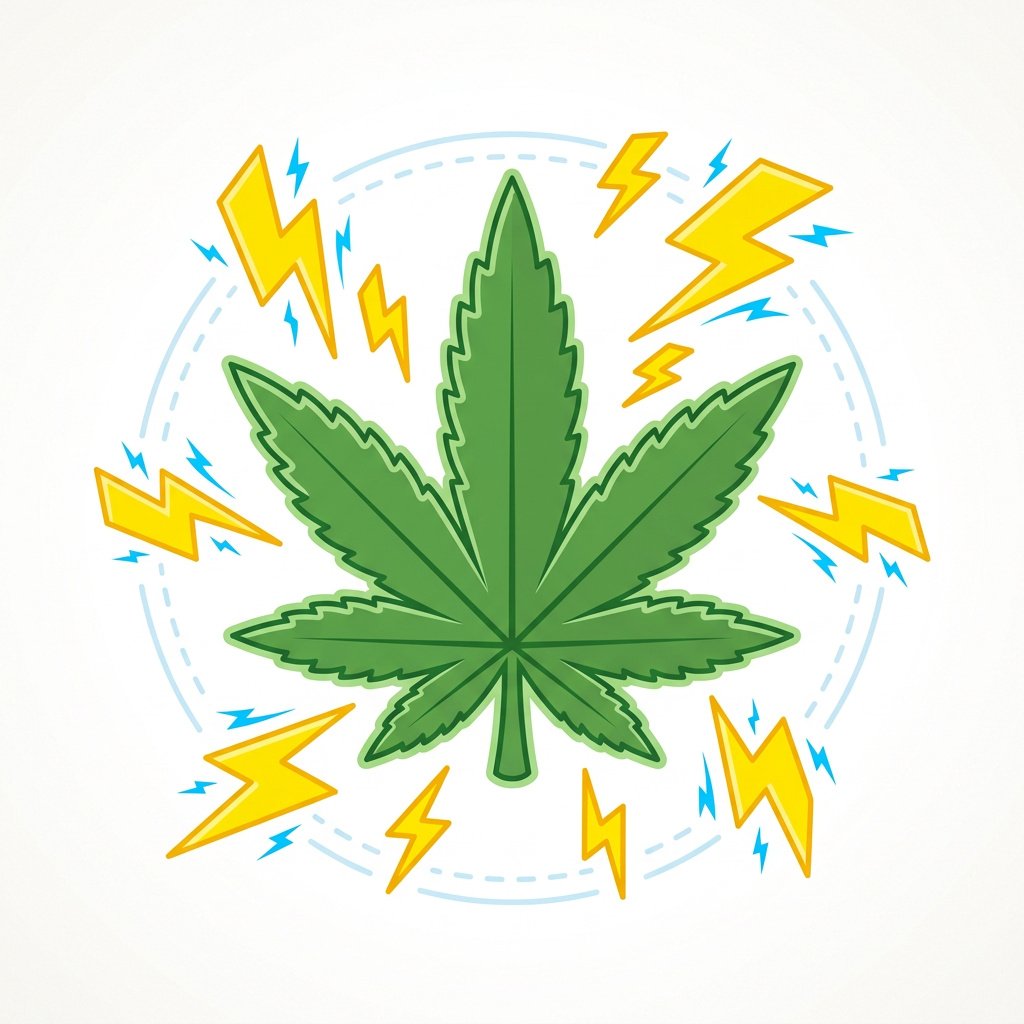
Later this year, I will open Marula Wellness, a cannabis dispensary and holistic health brand in Frederick, Md.
Cannabis has been on my radar since Maryland legalized the medical use of this plant in 2014.
Sign up for our Daily eBlast to get coverage on Black communities from the media company who has been doing it right for over 133 years.
At that time, a national company hoping to get a license to open a dispensary reached out to me requesting my support in their effort. I was hesitant at first to give them a “letter of support” for various reasons.
First, like many others my opinions regarding the cannabis plant were shaped by highly funded programs like D.A.R.E. (Drug Abuse Resistance Education) and former First Lady Nancy Reagan’s “Just Say No” campaign of the 1980’s. While I had no personal experience with the cannabis plant, these government-sponsored initiatives cultivated very visceral reactions in me about marijuana.
Second, the version of Christianity that was part of my upbringing didn’t make room for curiosity, mercy or compassion for marijuana use in the same way that it did for cigarettes, cigars and an occasional alcoholic drink. While the latter certainly was not encouraged, the condemnation was nowhere near as strong for these activities compared to the usage of marijuana. For example, growing up I saw church members smoking in the parking lot after service or heard about deacons smoking cigars, but never saw them banished to hell.
I was hesitant to extend support to that cannabis company, but ultimately decided to out of concern for those who would be helped because of medical reasons.
Eventually, I saw a need to become more vocal about cannabis. I decided to enter the industry because I saw a dynamic that still troubles me to this day. Since the legalization of medical and recreational marijuana in Maryland (and many other states across the nation), I’ve seen White-led businesses greatly profiting from marijuana while many African Americans and other people of color are incarcerated because of it. Same plant. Different outcomes.
Right now, White men are leading businesses that are heavily profiting from the sale of cannabis. Since the cannabis industry boom began more than a decade ago, Black people continue to be underrepresented in this space, making up only a sliver of dispensary owners nationwide, dipping as low as 2 percent, according to some reports.
It is wrong to me that the possession of this plant can create millions of dollars for one group of people while causing misery for others.
Despite the risks and anticipated criticism, I saw an opportunity to go out on a limb, get inside this industry and make a positive difference for my community. My locally-owned, Black-led dispensary will have a social impact focus that I am proud of.
Through this business we will support currently and formerly incarcerated people, providing training, expungement support and workforce development opportunities. I am captivated by the position that I have to provide gainful employment and partnership opportunities to people who have drug charges on their record and are ready to write their next chapter in life.
My dispensary will also prioritize African-American farmers and other Black businesses. As a social equity license holder, there are already regulations in place that support this, but my goal would be to do all that I can to far exceed the minimum requirements. In addition, we’re exploring components of this dispensary that revolve around herbalism, urban agriculture, cooperatives, mental health support and providing financial support to local community programs.
This locally-owned dispensary will be about opportunity, holistic health, healing and challenging the unjust outcomes of the “War on Drugs.” It will be such a good neighbor to the community that I pray that people will see the value in the dispensary even if they do not personally indulge in the plant.
Very soon, I plan to begin hosting presentations and community conversations about cannabis. Building on the noble work that has already been done by so many, I believe that as a Baptist minister, farming enthusiast, and social justice activist, I have something unique to offer to this conversation. Without ignoring the tensions, we’ll make room to learn, un-learn and be reintroduced to a plant that has existed long before this nation’s laws. Instead of reacting, we’ll make room to hear from experts, ask honest questions and listen to the stories of those who use cannabis products for a variety of reasons.
It’s time to challenge the stigma related to this plant. Like it, love it or hate it, it’s legal. People of all stripes – including in our churches – are using this plant in ways that they find meaningful.
My dispensary company is named after the Marula tree which is native to Africa. Its fruit is rich in Vitamin C. Its bark and oil is believed to help with digestion, sores, skin care and hair care. Its cultural significance related to fertility and healing is widely celebrated. Literally every part of this tree does something good for those who are in communion with it.
It is my prayer that like the tree, Marula Wellness Dispensary will make a positive impact, promote community and encourage holistic healing in a variety of ways as well.
The opinions expressed in this commentary are those of the writer and not necessarily those of the AFRO.
133 years ago we were covering Post-Reconstruction when a former enslaved veteran started the AFRO with $200 from his land-owning wife. In 2022 we endorsed Maryland’s first Black Governor, Wes Moore. And now we celebrate the first Black Senator from Maryland, Angela Alsobrooks!
Your contribution is appreciated.
More by Rev. Heber Brown III
You must be logged in to post a comment.
The AFRO knows what it’s like to endure challenging times. John H. Murphy, Sr., a former enslaved man founded the AFRO in 1892 with $200 from his wife, Martha Howard Murphy. Together they created a platform to offer images and stories of hope to advance their community. The AFRO provides readers with good news about the Black community not otherwise found.
Learn More
Baltimore, MD Office
233 E. Redwood Street Suite 600G
Baltimore, MD 21202
Washington, DC Office
Uline Arena Building
1140 3rd St., 2nd Flr, NE
Washington, DC 20002
Voice: 410-554-8200
Email: customerservice@afro.com
Sign in by entering the code we sent to , or clicking the magic link in the email.
By signing up, you agree to our Terms and Conditions. This site is protected by reCAPTCHA and the Google Privacy Policy and Terms of Service apply.