For the first time ever, medical marijuana was purchased in Alabama.
More than five years ago, Alabama became the 37th state in the U.S. to legalize medicinal cannabis after Gov. Kay Ivey signed the medical marijuana bill into law. But legal disputes created hurdles, making the process of getting medical marijuana to patients a slow one.
The turning point came last December, when the Alabama Medical Cannabis Commission voted to issue dispensary licenses to three companies.
The state’s first dispensary, Callie’s Apothecary, held a soft opening in Montgomery Wednesday. It will officially open Thursday at 10 a.m.
Amanda Taylor has been waiting for this day for years.
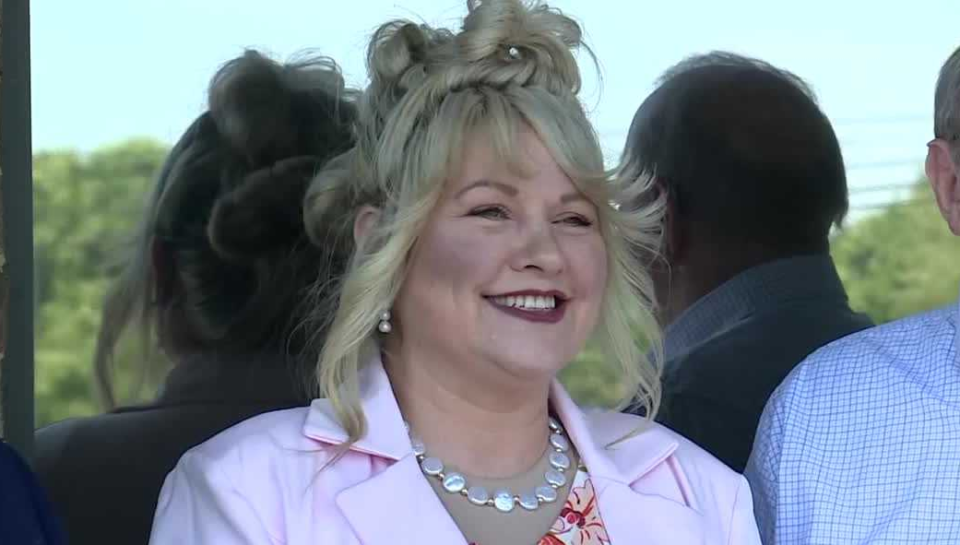
She became the first patient in Alabama to receive medical cannabis at Callie’s Apothecary. She has multiple sclerosis. Tremors and nausea are just a few of her symptoms.
“I can stand here all night and list different symptoms of MS. There’s so many, and it changes daily. But cannabis helps every one of those,” Taylor said.
Taylor calls herself a medical refugee. She fled Alabama years ago and went to Arizona just to have legal access to medical cannabis. When lawmakers approved this industry here in Alabama five years ago, she came back. She drove two hours from Cullman to Montgomery for these meds.
>> DURING DELAYS IN THE PROCESS: Central Alabama cannabis grower may have to destroy crop with no way to sell to patients
John McMillan is the director of the Alabama Medical Cannabis Commission.
“It’s an historic day,” he said. “This commission has had a long, hard road, and we’re not at the end of it yet, but we have a program that’s up and going in Alabama today.”
McMillan said right now there are almost 70 physicians certified to recommend these medicines to patients, but he feels that number will grow quickly.
“I think, wisely, they’ve sort of held off until they know that a patient can get a recommendation and then get a product,” McMillan said.
>> DURING THE PROCESS: First medical cannabis crop in Alabama ready for harvest
Taylor said she wants to lead the charge to change the perception of cannabis. She believes many people aren’t considering this plant as a medical option because of an outdated stigma.
“I see this growing exponentially because once people see the results and see the difference that it makes, and it’s not about getting high, but how you can function and be a productive member of society,” Taylor said. “There’s no shame in that.”
>> BELOW: Parents of 14-year-old Alabama girl with rare disorder demand medical cannabis access
Hearst Television participates in various affiliate marketing programs, which means we may get paid commissions on editorially chosen products purchased through our links to retailer sites.