Now
56°
Tue
73°
Wed
79°
For all mountain areas from 12 A.M. to 9 A.M. Tuesday.
From midnight Tuesday until 9 AM Tuesday. Protect the plants!
by Elijah Skipper
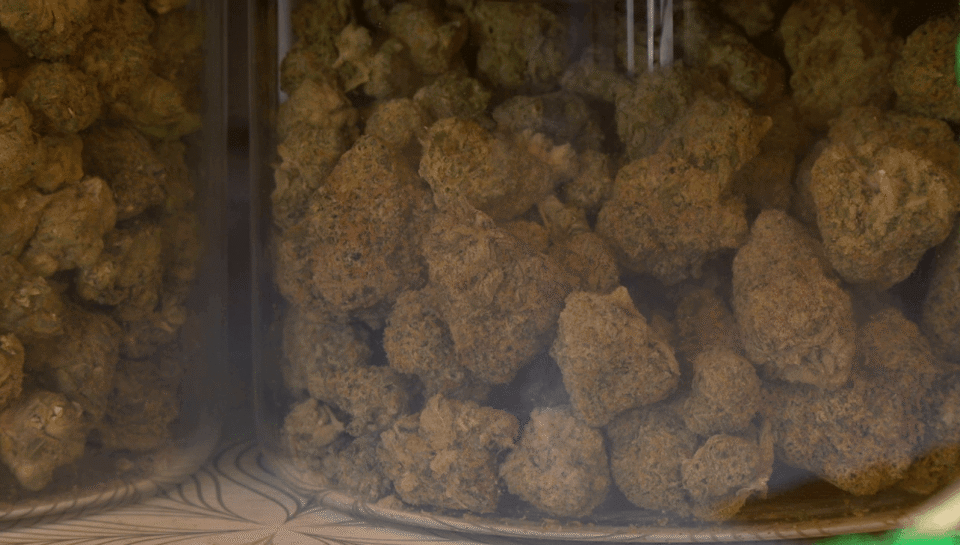
ASHEVILLE, N.C. (WLOS) — New data from the Asheville Police Department is offering a clearer look at how marijuana cases are handled locally, showing the drug is often present in arrests but rarely the most serious charge.
From 2024 through this year, Asheville police recorded 242 arrests involving a marijuana offense, including 107 in 2024, 102 in 2025 and 33 so far in 2026.
But in most of those cases, marijuana was not the highest charge. APD data shows it was a secondary offense 66% of the time in 2024, 72% in 2025 and 73% so far this year.
Deputy Chief Sean Aardema said that reflects how officers typically encounter marijuana during their work.
NC PANEL PUSHES MARIJUANA REGULATION, REPORTS $3B IN ILLEGAL SALES
“It’s something officers encounter probably almost every day,” Aardema said, pointing to the growing presence of CBD shops, hemp products and dispensaries across Asheville.
Still, he said it is uncommon for marijuana to be the primary focus of an investigation.
“Marijuana is encountered as part of an investigation, typically into a different type of crime,” Aardema said.
Those encounters can happen during traffic stops, while serving warrants or when officers inventory vehicles or search individuals during other cases.

“It’s actually very typically rare that an officer is just going to conduct primarily a marijuana investigation,” he said.
The data also shows many of the highest charges in those cases involve other drugs, including fentanyl and other controlled substances.
Aardema said that reflects how departments prioritize resources.
“The primary focus for our drug enforcement efforts are drugs that hurt and kill people,” he added, specifically pointing to opioids and methamphetamine.
At the same time, Aardema said the evolving cannabis landscape, including legal hemp products, has made enforcement more complex.
“It has pretty much become part of the culture here and something that we’ve just learned to adapt to,” he said.
28 MARIJUANA PLANTS FOUND GROWING IN WOODED AREA OF UNCA'S MILLENNIAL CAMPUS, POLICE SAY
He said one of the biggest challenges officers face is determining what is legal.
“There’s no way to tell just as a layperson whether or not that’s legal CBD or hemp or if it’s illegal marijuana,” Aardema said.
In many cases, he said, officers must seize the substance and send it to the State Crime Lab.
“You’re typically talking months before those results come back and let you know what it is,” he said.
That delay can factor into how officers handle cases in real time.
“It kind of places officers in a situation where is it worth the effort?” Aardema said.
As state leaders continue to debate cannabis laws in North Carolina, Aardema said clearer guidance could help both law enforcement and the public.
2026 Sinclair, Inc.