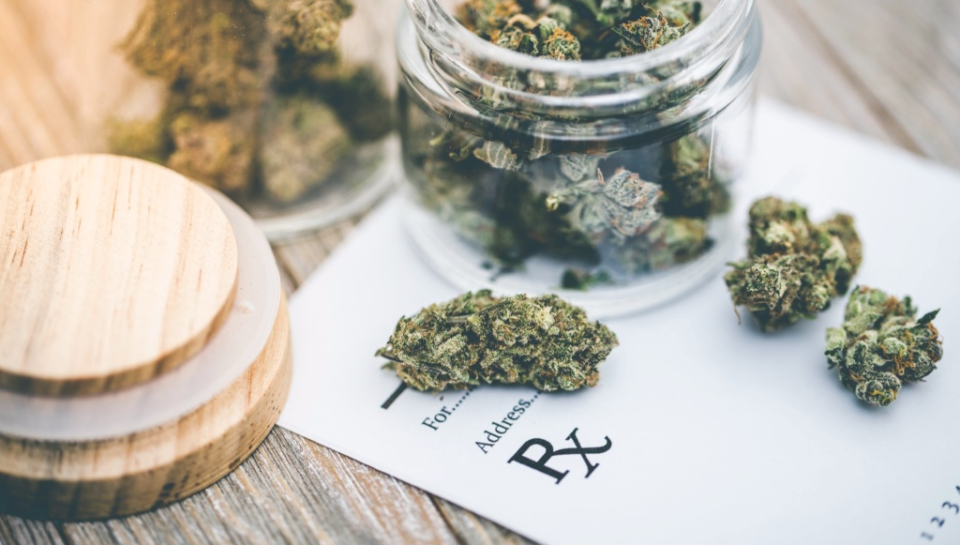
With more states than ever offering medical cannabis and major changes on the federal level, it’s more important than ever for patients to have a certification. Luckily, getting a medical marijuana card in 2026 can take less time than ordering food online.
What used to involve long clinic visits, paperwork delays, and limited access to certified physicians has evolved into a streamlined digital process. Today, patients in many states can complete an online cannabis consultation, get evaluated by a licensed doctor, and receive approval—sometimes within the same day. Understanding state-specific requirements early—such as the Texas medical marijuana card guidelines—can help patients navigate the process more efficiently and avoid unnecessary delays.
RELATED: Do cannabis users pay more for insurance? What to know
This shift isn’t just about convenience. It’s about accessibility, affordability, and a broader change in how healthcare is delivered. As cannabis programs mature across the U.S., telemedicine is quickly becoming the default pathway for patients seeking legal access. Also, with medical marijuana moving to Schedule III, holding a current medical cannabis card may be required to protect yourself and legally travel with your medicine.
So, is telemedicine truly the easiest way to get a medical marijuana card? Let’s take a closer look at how the system works in 2026.
The combination of cannabis and telemedicine has transformed how patients interact with healthcare providers. Instead of searching for a local clinic, patients can now connect with a licensed telehealth cannabis doctor from anywhere.
This has been particularly impactful in states with limited in-person providers. Rural patients, for example, previously faced hours of travel just to complete an evaluation. Telemedicine removes that barrier entirely.
In 2026, more than 70 percent of non-emergency healthcare visits in the U.S. are conducted virtually, and cannabis certifications have followed this trend. Many state programs now explicitly allow remote evaluations, making access faster and more consistent.
One of the biggest advantages of telemedicine is speed. Instead of waiting days for an appointment, patients can often schedule an online cannabis consultation the same day.
In many cases, approvals are issued within 24–48 hours, and some platforms even offer same-day certification depending on physician availability.
For patients dealing with chronic conditions, this faster turnaround can make a meaningful difference.
Cost has historically been a barrier for many patients. In 2026, telemedicine has made pricing more competitive and transparent.
Most online consultations range between $50 and $150, compared to traditional clinic visits that can exceed $200 when factoring in additional fees.
Several states have also introduced:
All of these changes contribute to making it more affordable to get a medical marijuana card online.
RELATED: CBG and CBGA: Cannabinoids with rising potential
Telemedicine allows patients to complete the entire process from home. This added privacy is especially valuable in regions where cannabis stigma still exists.
There’s no waiting room, no travel time, and no need to rearrange your schedule. For many patients, this convenience alone makes telehealth the preferred option.
While telemedicine simplifies access, medical marijuana laws across the United States still vary significantly by state, shaping both eligibility and the application process. Patients typically need to meet specific qualifying conditions, and requirements for physician approval, registration, and documentation differ depending on local regulations. Understanding these state-specific guidelines is essential, as some states issue physical medical cards while others rely on digital systems or patient registries to manage access.
For those new to telemedicine, the process is straightforward:
Create an account and provide your medical history.
Schedule a virtual appointment to discuss your condition.
If you qualify, the physician submits your certification or provides documentation.
Some states require an additional registration step.
Once approved, you can purchase products from licensed dispensaries.
In many cases, the entire process can be completed in less than a day.
Yes—but it depends on the state.
Most states now allow telemedicine for cannabis evaluations, especially after regulatory changes that expanded virtual healthcare access. However, some still require:
The overall trend is clear: telehealth is becoming a permanent part of cannabis access.
RELATED: Your smartwatch might know when you’re high
Qualifying conditions vary, but commonly include:
Telemedicine has made it easier for patients with these conditions to seek evaluation without logistical barriers.
Even in states where recreational cannabis is legal, a medical marijuana card can still offer meaningful advantages.
Medical patients may benefit from:
For patients who rely on cannabis for ongoing treatment, these benefits can be significant.
Despite its advantages, telemedicine isn’t perfect.
Not all states allow full online certification.
Patients without stable internet access may face challenges.
Cannabis laws continue to evolve, and requirements may shift over time.
RELATED: Cannabis in assisted living: What seniors and families need to know
The integration of healthcare and technology is accelerating.
Looking ahead:
As these changes unfold, getting a Medical Marijuana Card online will likely become even more efficient.
Yes, as long as you use a licensed provider operating within your state. Be sure to research any telemedicine operators prior to signing up.
Many patients receive approval within 24–48 hours, with some same-day options available.
No, but most have expanded access significantly in recent years.
Yes, if they are licensed and authorized in your state.
In many cases, yes—especially for cost savings and legal protections.
Telemedicine has reshaped how patients access cannabis care. What once required multiple appointments and long wait times can now be completed quickly, privately, and often at a lower cost.
While state regulations still influence the process, the direction is clear: telehealth is making it easier than ever to get a medical marijuana card.
For many patients in 2026, it’s not just the easiest option—it’s becoming the standard.
*This article was submitted by an unpaid guest contributor. The opinions or statements within do not necessarily reflect those of GreenState or HNP. AI may have been used to create portions of this piece. The author is solely responsible for the content.
Zyab Siddiqui is an SEO specialist focused on the cannabis niche, creating high-quality, search-optimized content to help brands grow their online presence and authority.
drinks
devices
Massachusetts
420
medical cannabis
celebrities
cultivation
Psychedelics
© 2026 Hearst Communications, Inc.