
White House Pushes Congress To Keep Hemp CBD Products Legal By Amending Broad Ban That’s Set To Take Effect Later This Year
Connecticut Governor Signs Bill To Expand Psychedelics Pilot Program In Preparation For Federal FDA Approval
Congressional Committee Directs Feds To Keep Testing Truck Drivers For Marijuana, Regardless Of Trump’s Rescheduling Move
Louisiana Will Let Terminally Ill Patients Use Medical Marijuana In Hospitals After Governor Allows Bill To Take Effect Without His Signature
Alabama Medical Marijuana Sales Finally Launch, Years After Lawmakers Passed Legalization
2 In 3 Americans Who Use Marijuana Say It Helps Them Sleep Better, New Survey Shows
Hemp-Based Plastic Shows Promise As Environmentally Friendly Alternative To Traditional Packaging Materials, Study Finds
Marijuana Components Have ‘Consistent’ Anti-Tumor Effects In Glioblastoma And Other Cancers, Scientific Review Shows
Another Study Debunks Lazy Stoner Stereotype, Linking Marijuana Use To An Increase In Some Kinds Of Exercise
VA Launches New Study On MDMA To Treat Veterans With PTSD And Alcohol Use Disorder
WNBA Removes Marijuana From Banned Substances List And Sets Rules For Player Endorsements Of Hemp CBD Products
Americans Say Marijuana Is Less Cool Than Math And Country Music—But Is Cooler Than Guns Or Cryptocurrency, Survey Shows
Politicians And Major Brands Celebrate Cannabis Culture On 4/20
Woody Harrelson And Bill Maher Complain That Marijuana Taxes Are Too High While Smoking Joints At The Dispensary They Own Together
WNBA Offers To End Marijuana Testing For Women’s Basketball Players As Part Of Reported Deal With Union
Federal Labor Decision Inspires More Missouri Marijuana Workers To Seek Unionization
Missouri Marijuana Workers Win Union Vote After Federal Officials Reject Company’s Argument On Blocking Ballots
Target Is Launching Hemp THC Drink Sales In Three Of The U.S.’s Most Populous States
Target Expands Involvement In Hemp THC Drinks Market With 72 New Licenses In Minnesota
Marijuana Sales Are Rising And Alcohol Is On The Decline As Consumer Preferences Evolve, Government Data In Canada Shows
WNBA takes cannabis off banned list & sets player endorsement rules (Newsletter: June 5, 2026)
Wisconsin governor candidates pledge cannabis action if elected (Newsletter: June 4, 2026)
Amendments to save hemp THC from ban are blocked in Congress (Newsletter: June 3, 2026)
Trump sued over cannabis rescheduling (Newsletter: June 2, 2026)
GOP lawmakers push to save hemp from impending federal ban (Newsletter: June 1, 2026)
Published
on
By
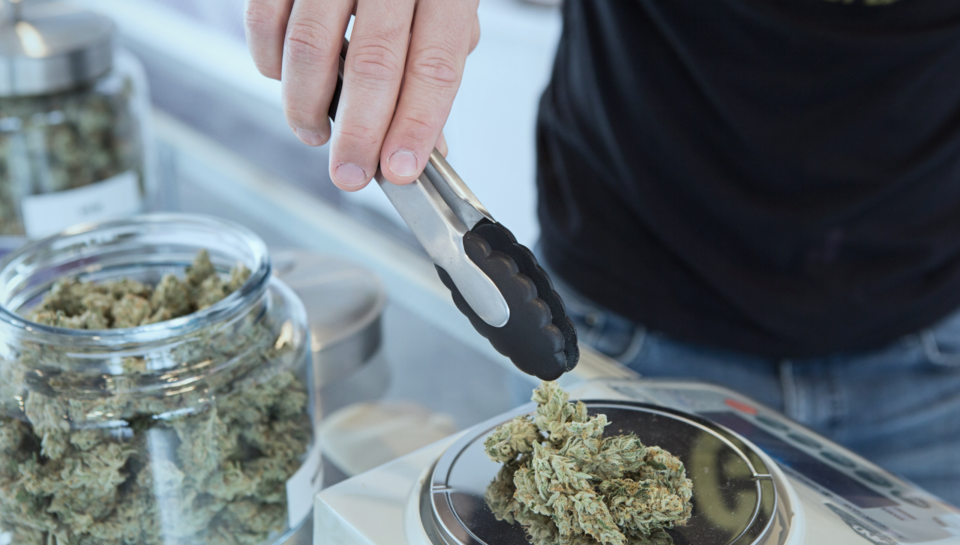
A recent analysis of popular marijuana strains revealed widespread “genetic inconsistencies” that raise questions about what consumers are really getting at their local dispensaries.
The study, released last week, looked at 122 samples of 30 common cannabis strains, obtained from dispensaries in multiple cities around the United States. It turns out that strain names don’t appear to be reliable indicators of a given product’s actual genetic profile.
That might strike consumers as surprising, especially considering the fact that commercially available cannabis products are often reproduced through cloning and “stable seed strains.” Even so, the researchers found “evidence of genetic variation…indicating the potential for inconsistent products for medical patients and recreational users.”
While the study’s findings might disappoint recreational users who studied up on a strain’s reported effects on sites like Wikileaf, it poses a particular issue for medical marijuana patients who seek out specific strains to treat various health conditions, the researchers noted.
The fundamental problem in cannabis strain inconsistency is that marijuana is federally illegal, limiting research and regulatory opportunities, and there’s currently no industry-wide system “to verify strains,” the study authors wrote. Therefore, “suppliers are unable to provide confirmation of strains.”
“Exclusion from protection, due to the Federal status of Cannabis as a Schedule I drug, has created avenues for error and inconsistencies.”
“Without verification systems in place, there is the potential for misidentification and mislabeling of plants, creating names for plants of unknown origin, and even re-naming or re-labeling plants with prominent names for better sale. Cannabis taxonomy is complex, but given the success of microsatellites to determine varieties in other crops, we suggest the using genetic-based approaches to provide identification information for strains in the medical and recreational marketplace.”
Hezekiah Allen, executive director of the California Growers Association, told Marijuana Moment that he agreed with that recommendation.
“We have been calling for an industry wide science-based system for several years,” he said, citing a legislative accomplishment in 2016 that mandated the California Department of Food and Agriculture “establish a process by which licensed cultivators may establish appellations of standards, practices, and varietals applicable to cannabis grown” in the state.
“Having universities finally able to engage in this type of research is one of the most exciting outcomes of legal reform,” Allen said. “This is an important step the multi-year effort to document and catalog the extensive culture of cannabis.”
“We envision a well informed market, where consumers ask questions before making a purchase. How is grown? Where is it grown? What type was grown? The answers to all of these questions hold great promise for humanity.”
In the new study, which was not peer-reviewed, the researchers at the University of Northern Colorado also pointed out that increased cross-breeding on cannabis strains (hybrids) has contributed to genetic inconsistencies.
“The results are clear: strain inconsistency is evident and is not limited to a single source, but rather exists among dispensaries across cities in multiple states.”
It’s not just the strains that showed genetic variation. The study also indicated that the cannabis categories “indica,” “sativa” and “hybrid” may be unreliable.
“If genetic differentiation of the commonly perceived Sativa and Indica types previously existed, it is no longer detectable in the neutral genetic markers [the researchers used],” according to the study. “Extensive hybridization and selection has presumably created a homogenizing effect and erased evidence of potentially divergent historical genotypes.”
The team’s findings are consistent with a 2015 study published in the journal PLOS ONE, which also analyzed the cannabis genetics and determined that “marijuana strain names often do not reflect a meaningful genetic identity.”
How Reddit’s r/trees Helped Scientists Make Marijuana Discoveries
Kyle Jaeger is Marijuana Moment’s Sacramento-based managing editor. He’s covered drug policy for more than a decade—specializing in state and federal marijuana and psychedelics issues at publications that also include High Times, VICE and attn. In 2022, Jaeger was named Benzinga’s Cannabis Policy Reporter of the Year.
Add Marijuana Moment as a preferred source on Google.
All the cannabis news you need, all in one place. Copyright © 2017-2026 Marijuana Moment LLC ® and Tom Angell