© 2026 Griffin Media. Privacy Policy, Terms of Service, Editorial Ethics Policy, Legal Notices, EEO Report, Ad Choices, Public Inspection File Contact, KWTV Public Inspection File, KSBI Public Inspection File, Closed Captioning Assistance, FCC Applications, VPAT (Voluntary Product Accessibility Template)
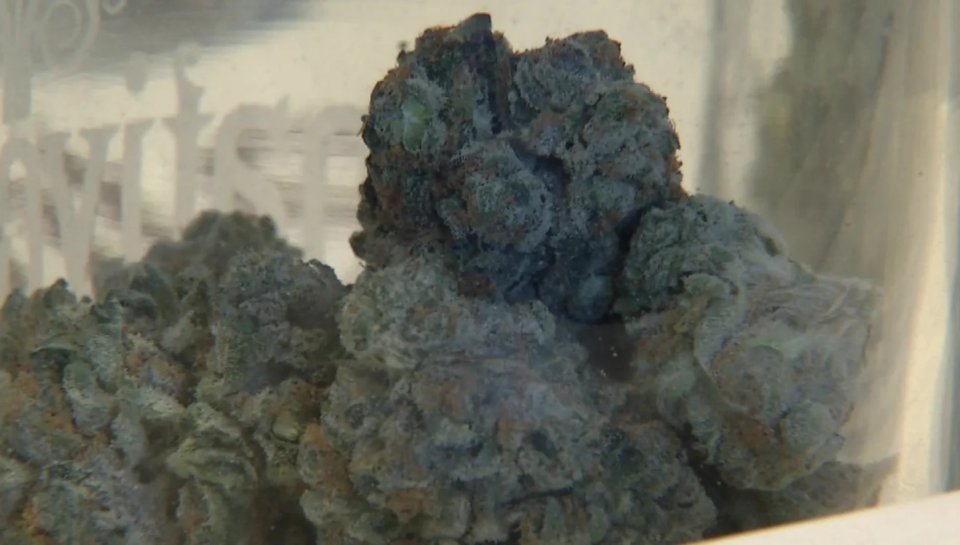
Oklahoma drivers and medical marijuana patients will see stricter rules under new state laws aimed at public safety. The changes affect how doctors recommend medical marijuana and what is allowed inside vehicles.
Here are five key things to know:
Beginning Jan. 1, 2026, doctors who want to recommend medical marijuana must complete a required education course and register with the Oklahoma Medical Marijuana Authority. Physicians who do not meet those requirements will no longer be able to recommend patients, and applications tied to them will be rejected.
Previously, doctors only needed an active medical license in good standing under Senate Bill 1066.
Updates to marijuana-related DUI laws that took effect in November make it illegal for marijuana to be used anywhere inside a vehicle. The rule applies to both drivers and passengers. Lawmakers say the change closes loopholes that previously made enforcement difficult.
Drivers may now face charges if someone else in the vehicle is smoking marijuana. Law enforcement officials say the law treats marijuana similarly to alcohol when it comes to vehicle use and responsibility.
Captain Mike Heisten with the Tulsa County Sheriff’s Office said marijuana cannot be openly used or accessible inside a vehicle, even though it is legal in some forms in Oklahoma.
State officials stress that having a medical marijuana card does not protect drivers from being arrested or charged with DUI. Marijuana must be kept in its original sealed packaging and stored away while in a vehicle.
Violations of the new rules can result in misdemeanor charges and fines of up to $500.
Several other Oklahoma laws also take effect Jan. 1, impacting criminal justice, consumer protections, healthcare transparency, and business regulations.
Sentencing Modernization Act (HB 1792): Creates a standardized 14-class felony system to bring more consistency to sentencing across Oklahoma.
Data Breach Notification Act (SB 626): Expands the types of personal data protected, including biometric information, and requires companies to notify the Attorney General within 60 days if a breach affects more than 500 people.
Ambulance rates: Creates a public database of ambulance service rates and allows the Oklahoma Insurance Department to cap reimbursements tied to Medicare rates.
Notaries public: Requires national criminal background checks for new notaries.
© 2026 Griffin Media. Privacy Policy, Terms of Service, Editorial Ethics Policy, Legal Notices, EEO Report, Ad Choices, Public Inspection File Contact, KWTV Public Inspection File, KSBI Public Inspection File, Closed Captioning Assistance, FCC Applications, VPAT (Voluntary Product Accessibility Template)