The Origins of 420: How It All Began
The celebration of 420 has a rich history that dates back to the early 1970s in California. The term ‘420’ was coined by a group of high school students in San Rafael, who would meet after school at 4:20 PM to smoke marijuana. This informal gathering, a simple way to engage in ritualistic smoke sessions, soon developed into a secret code that represented their clandestine activities regarding cannabis use. The teens referred to themselves as the “Waldos,” and they established 420 as a time to gather, symbolizing their shared interest in marijuana.
As the years passed, the term ‘420’ evolved beyond just a local reference. It gained traction when it was popularized by the band Grateful Dead, associated with a culture that embraced counterculture movements, free expression, and, of course, cannabis. Through the band’s concerts and a loyal fan base, the term spread through the music community and beyond, effectively laying the groundwork for what would become an annual celebration.
Owing to its historical roots, 420 has become synonymous with the broader advocacy for medical marijuana and cannabis legalization, marking April 20 as a day of unity for those who advocate for its acceptance. The date serves as an accessible reminder of the social nature of cannabis consumption, with thousands gathering worldwide to collectively celebrate this herb and engage in discussions about its benefits and legalization efforts. Thus, what began as a secret meeting time has transformed into a global trend, establishing 2026 as a pivotal year for ongoing cultural shifts in marijuana acceptance.
The Evolution of 420: Celebrating in 2026
As we approach the year 2026, the annual celebration of 420 has undergone significant transformations, reflecting broader societal changes and evolving attitudes towards cannabis. This day, initially marked by a small group of enthusiasts, has grown into a global phenomenon, a testament to the shifting perception of medical marijuana and recreational use. With increasing numbers of states legalizing cannabis, the landscape of 420 has radically changed, now embodying a celebration of freedom and a platform for awareness.
The legalization movement has been a driving force in the evolution of 420 celebrations. By 2026, numerous states have embraced policies allowing for recreational use and medical marijuana, leading to heightened acceptance and normalization of cannabis culture within mainstream society. This acceptance has encouraged communities to celebrate 420 openly, organizing events that range from peaceful gatherings to educational seminars. These observances often aim to promote visibility for the cause while fostering a sense of togetherness among cannabis users.
However, alongside this progress, challenges remain. Despite widespread legalization efforts, disparities continue to exist in access and enforcement laws across different regions. Social justice issues surrounding cannabis usage and the historical impacts of prohibition have led to a movement that calls for not only the celebration of 420 but also the advocacy for policy reform and equity in the cannabis industry. Many individuals and groups now utilize the day to discuss and address these ongoing challenges, ensuring that the celebration of 420 remains rooted in advocacy.
The modern celebration of 420 in 2026 thus represents a blend of joy and activism, highlighting both the strides made in the medical marijuana movement and the work still needed to address disparities. As individuals and communities come together to participate in this pivotal day, they carry forth the spirit of liberation and solidarity that has defined 420 for decades.
Why 420 Remains a Significant Celebration
The celebration of 420 has grown into a pivotal marker for cannabis enthusiasts worldwide, serving as a symbol of community and shared values. Initially rooted in underground culture, it has matured into a mainstream event that attracts individuals from diverse backgrounds. This evolution highlights 420’s role as a unifying force, fostering connections among those who support the legalization and normalization of medical marijuana.
In contemporary society, 420 stands as a day that not only celebrates cannabis culture but also serves as a platform for cannabis education. Events on this day often include workshops, informational sessions, and discussions aimed at demystifying the properties of medical marijuana. Attendees learn about its therapeutic benefits, proper usage, and responsible consumption, which ultimately aids in changing societal perceptions. The initiative to educate the public about cannabis and its positive contributions has become crucial in the broader dialogue surrounding its legalization.
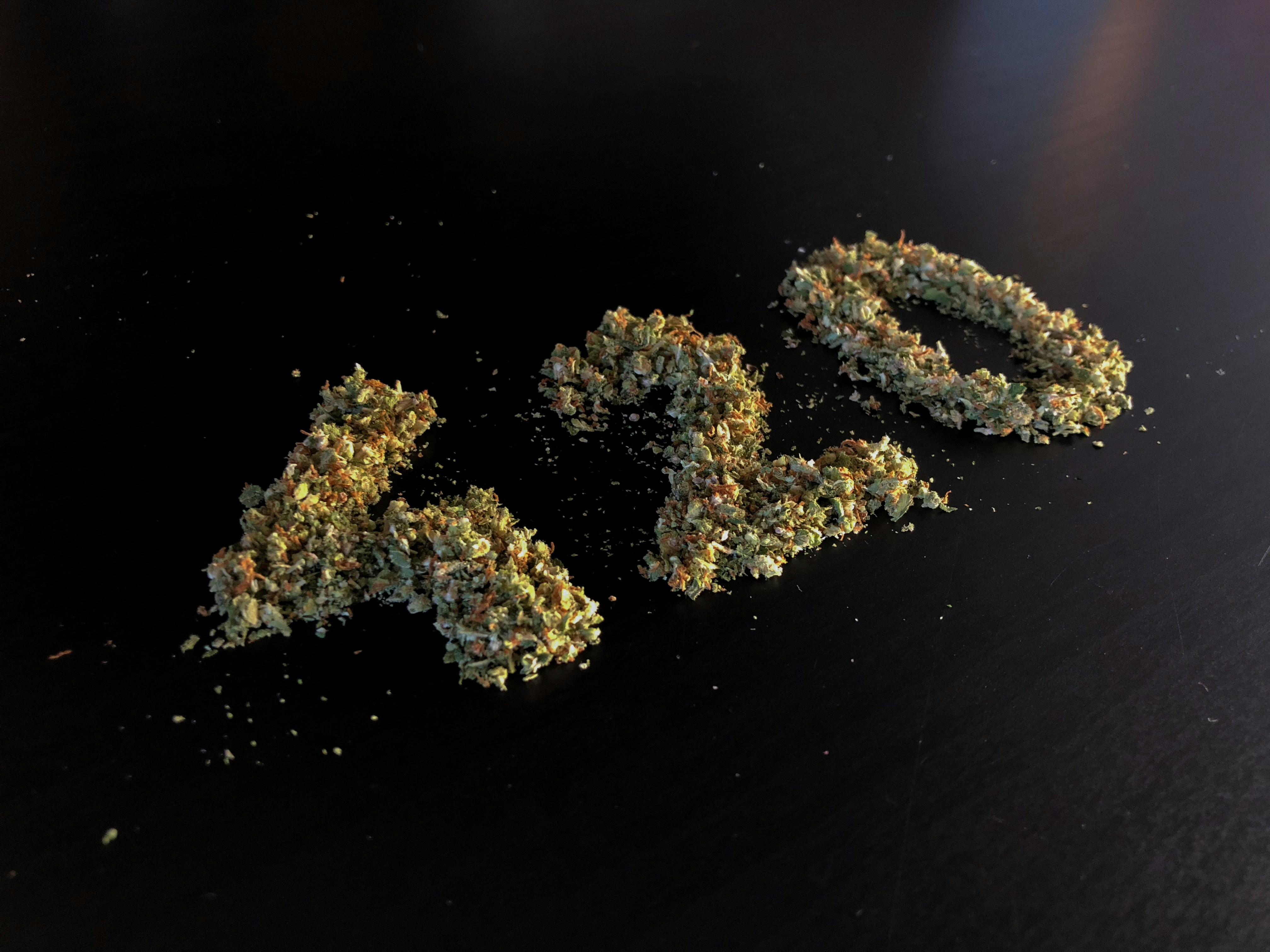
Statistics indicate a shifting trend in cannabis use, particularly among younger demographics. According to recent surveys, approximately 55% of Americans now favor legalization, a significant increase from previous years. This shift underscores the impact of events like 420, which stimulate conversations about cannabis legislation and reflect changing social attitudes. Celebrating 420 in 2026 will likely see increased participation and advocacy, driven by the ongoing momentum toward legalization across various states. This event not only marks a celebration of cannabis culture but also acts as an annual reminder of the progress made and the work that remains in the fight for equitable access to cannabis.
As the celebration of 420 approaches in 2026, many individuals may seek to participate in the festivities by obtaining a medical marijuana card. This process can vary significantly depending on state regulations, but a general understanding of the steps involved can help facilitate a successful application. First and foremost, potential applicants should review the eligibility requirements in their respective states, as conditions that qualify for medical marijuana usage can differ widely. Common qualifying conditions include chronic pain, anxiety disorders, and specific medical diagnoses.
Once eligibility is determined, the next step is to gather the necessary documentation. This usually includes medical records from a licensed healthcare provider that documents the patient’s condition. Applicants should also be prepared to provide proof of identity, such as a government-issued identification card. In certain states, a full medical examination may be required to assess the patient’s condition before obtaining a recommendation for medical marijuana.
The application process itself involves submitting the required documentation to the appropriate regulatory body, which may be the state health department or a designated medical marijuana board. It is critical to follow the guidelines meticulously, as incomplete applications can lead to delays or rejection. In some locations, the application is accompanied by a fee, which can also vary by state.
Once secured, medical marijuana cards provide access to dispensaries, where patients can purchase cannabis products safely. To celebrate responsibly on 420, individuals should consider participating in local events that promote education around medical marijuana and its benefits. Community gatherings offer an opportunity to share experiences and learn about safe consumption practices, fostering a supportive environment. By understanding how to navigate the process of obtaining their medical marijuana card, individuals can enhance their 420 celebration meaningfully and responsibly in 2026.