

Introduction: The Rise of Legal Dispensaries
The evolution of legal cannabis dispensaries in the United States has experienced remarkable growth over recent years. As states gradually alter their legal frameworks to embrace cannabis for both medical and recreational use, the number of dispensaries has surged, fostering a burgeoning market. This shift stems from a wider acceptance of cannabis within society, backed by increasing research highlighting its therapeutic benefits. For instance, states like California and Colorado have paved the way for others, demonstrating successful models of dispensary operations and regulatory compliance.
The landscape of federal and state-level cannabis legislation is crucial in understanding the rise of dispensaries. Following the legalization in various states, brands such as Surterra Wellness and Fluent Dispensary have emerged, catering to the diverse needs of consumers. These outlets not only provide cannabis products but also educate the public about responsible use and the potential health benefits associated with cannabis consumption. The transition from underground markets to legitimate businesses illustrates how attitudes toward cannabis are evolving, positioning dispensaries as essential components in the broader wellness conversation.
In expanding upon this development, it is crucial to note how dispensaries have diversified to meet the demands of a growing customer base. For instance, the Insa Dispensary and Ayr Dispensary have focused on creating unique customer experiences, while Planet 13 Dispensary stands out as a leader in combining entertainment with cannabis retail. The significance of these dispensaries continues to grow, with projections indicating that by 2026, the market may witness even more significant transformations as regulations shift and new research emerges.
As society moves forward, it is essential to observe that the industry, while currently thriving, may evolve due to factors such as market saturation. The concept of dispensaries might not remain static; as trends change and customer preferences shift, dispensaries must adapt or face the possibility of going out of style in the ever-changing cannabis landscape.
Factors Leading to Dispensary Closures
The legal cannabis landscape has evolved rapidly, and while many dispensaries thrive, others have faced significant challenges leading to closures. Various factors contribute to this trend, primarily intense competition, operational inefficiencies, and market saturation.
As more states legalize cannabis, dispensaries like Surterra Wellness and the Fluent Dispencary have emerged, creating an increasingly competitive environment. This saturation has forced existing businesses to adopt aggressive pricing strategies, sometimes leading to unsustainable financial practices. As a result, dispensaries must innovate continuously to maintain a distinct market presence, which many find difficult amidst the growing options available to consumers.
Operational inefficiencies present another challenge. Dispensaries need to manage various elements, from inventory control to regulatory compliance. Many smaller operations lack the resources to implement advanced management systems, leading to higher operational costs and lower profit margins. This inefficiency can severely impact performance, causing some dispensaries to struggle and ultimately close. In contrast, larger dispensaries such as Planet 13 and Ayr have the advantage of innovative strategies to streamline operations and enhance customer experience.
Furthermore, market saturation has led to a general shrinking of customer bases for many dispensaries. Localized markets are decreasing, pushing smaller, less financially stable dispensaries into a ‘hot seat’ situation. As more consumers flock to well-established dispensaries such as the INSA dispensary and grow healthy dispensary, newer or niche dispensaries often find themselves going out of style, struggling to attract and retain clientele amid growing competition.
In conclusion, while the cannabis industry is burgeoning, the myriad of factors affecting dispensaries must be addressed for their survival in a complex and evolving market. Understanding these dynamics is crucial for both existing dispensaries and new entrants aiming to navigate a challenging environment leading up to 2026 and beyond.
The Importance of Product Consistency and Quality
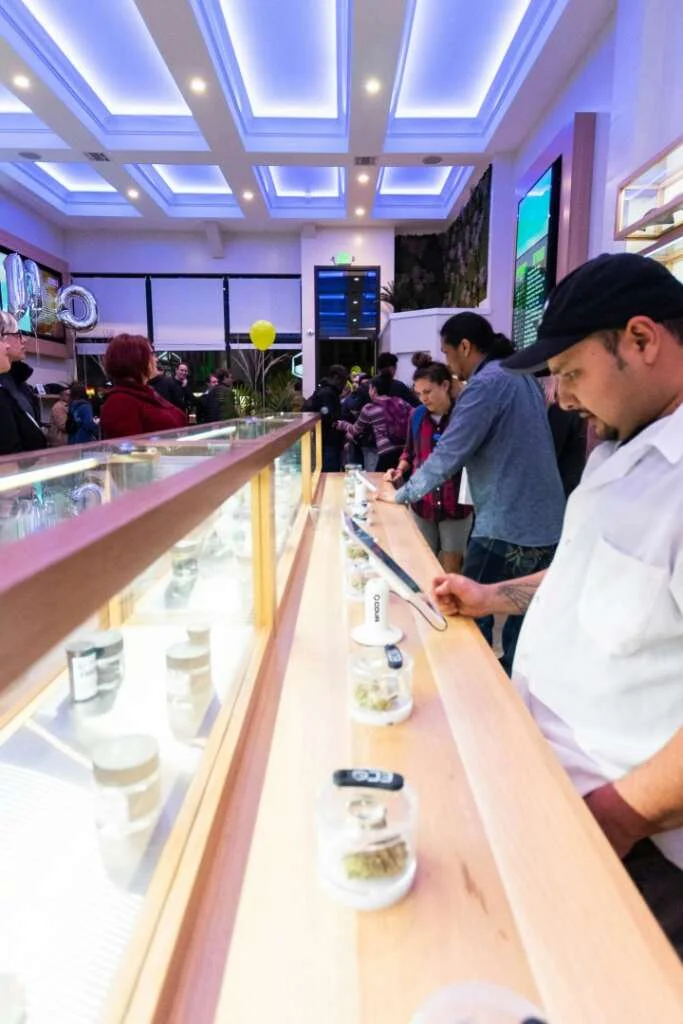
In the rapidly evolving cannabis market, maintaining product consistency and high quality is imperative for dispensaries to establish trust and loyalty among their consumers. Dispensaries like Surterra Wellness and the Grow Healthy dispensary understand that inconsistencies in product offerings can directly impact customer satisfaction and ultimately, their bottom line. Customers expect uniformity in potency, flavor, and the overall experience associated with their cannabis products, whether they are purchasing from INSA dispensary or Fluent dispensary. When a customer finds a product they enjoy, any variation in quality during subsequent purchases can lead to frustration and disappointment.
The rising number of dispensaries, such as Ayr dispensary and Planet 13 dispensary, highlights the significant competition in the cannabis industry. With the anticipation of further developments heading toward 2026, the emphasis on quality assurance and standardization will only intensify. Dispensaries that prioritize rigorous testing protocols and adhere to established industry standards will likely gain an edge. This approach not only assures customers of product safety but also reinforces a positive brand image.
Additionally, an environment where customers feel confident in the products they are consuming fosters a loyal customer base. As the conversation around cannabis continues to mature, consumers are becoming increasingly knowledgeable, seeking out reliable information and consistent experiences. Dispensaries that maintain strong quality control measures and deliver on their promised products can help mitigate the risk of going out of style amid shifting consumer preferences. A commitment to product consistency and quality will ultimately determine which dispensaries thrive in this burgeoning industry.
Consumer Trust: Building Relationships Through Transparency
In the evolving landscape of legal cannabis, consumer trust has become imperative for dispensaries looking to succeed. As the market continues to expand, characterized by notable establishments such as Surterra Wellness, Fluent Dispensary, and Planet 13 Dispensary, the ability of these businesses to engender trust with their clientele is paramount. Transparency in operations and product offerings significantly influences consumers’ purchasing decisions and their overall loyalty.
Dispensaries must focus on clear and accurate product labeling to inform customers adequately. This includes detailing the cannabinoid content, potential effects, and ingredient sourcing. Knowing that they can rely on the integrity of product information helps customers feel secure in their choices. Moreover, as consumers become more educated, transparency regarding the origins and cultivation practices of products can elevate their shopping experiences. Establishments like Ayr Dispensary and INSA Dispensary are leading by example through their commitment to education, providing consumers with significant insights into their products.
In addition to rigorous labeling protocols, open communication plays a critical role in building consumer trust. Dispensaries should foster a culture of dialogue, where customers feel comfortable asking questions and expressing concerns. By promoting proactive conversations about product quality and safety, businesses can demonstrate a genuine commitment to customer well-being. This relationship-oriented approach can set dispensaries apart in a competitive market that is prone to misconceptions and mixed perceptions.
Lastly, as the cannabis industry prepares to navigate future challenges through 2026 and beyond, maintaining consumer trust will be critical. As trends like the rise of huge retail players and changing regulations reshape the market, the reliance on genuine connections with customers should not go out of style. Dispensaries that prioritize transparency will not only build loyalty but also set themselves up for sustained success.
The Impact of Withdrawal Symptoms: Why Quality Matters
As the landscape of legal cannabis continues to evolve, the significance of product quality emerges prominently, particularly for new users navigating the world of THC. For those who have recently begun to explore cannabis, whether at a Surterra Wellness outlet or a local grow healthy dispensary, understanding the implications of low-quality products is essential. Inconsistent product quality may lead to a range of adverse experiences, including withdrawal symptoms that can deter consumers from future use.
When individuals consume subpar cannabis, the chances of experiencing unwanted effects increase significantly. Symptoms such as irritability, insomnia, and diminished appetite could manifest, contributing to a negative perception of cannabis as a whole. Consumers visiting establishments like INSA dispensary, Fluent dispensary, or Ayr dispensary should be aware that not all products possess the same level of efficacy or safety. Specifically, low-quality cannabis may exacerbate withdrawal symptoms, ushering new users into a cycle of discomfort that discourages them from returning.
Furthermore, individuals may not understand the importance of strain selection and product composition, leading them to experiment with various dispensaries, including Planet 13 dispensary, without knowledge of their reputations or product quality. This lack of understanding highlights the risks associated with purchasing from unreliable sources, particularly when withdrawal symptoms can emerge unexpectedly. The effects of these symptoms can vary significantly from person to person, reinforcing the need for quality assurance in products consumed.
Ultimately, ensuring access to high-quality cannabis products is crucial for fostering a positive experience among consumers. Dispensaries must prioritize transparency and product testing to guarantee that customers find consistent and reliable options. As we move towards 2026 and beyond, the dispensaries that focus on quality assurance will likely lead the market while those neglecting this aspect may find themselves in the hot seat, ultimately going out of style in an increasingly discerning consumer base.
Successful Dispensaries: A Case Study Analysis
The cannabis industry has witnessed a remarkable evolution, leading to a diverse range of dispensaries that thrive amid increasing competition and regulatory changes. Notable dispensaries such as Surterra Wellness, Grow Healthy, Insa, Fluent, Ayr, and Planet 13 have adopted various best practices that contribute to their ongoing success in the market.
Surterra Wellness exemplifies dedication to product quality, emphasizing stringent cultivation and testing processes to ensure high efficacy and safety standards. Their focus on wellness-oriented products appeals to health-conscious consumers, establishing a loyal customer base. Similarly, Grow Healthy dispensary prioritizes customer education, offering expert consultations and informative resources to help patients make informed decisions about their cannabis products.
Insa dispensary has successfully embraced technology to enhance customer experience, investing in user-friendly websites and mobile apps that facilitate online ordering. Their streamlined operations enable them to maintain efficient inventory management while ensuring that customer needs are met promptly. Additionally, Fluent dispensary has positioned itself as a leader in community engagement, supporting local events and programs that strengthen their brand image and foster customer loyalty.
Ayr dispensary, on the other hand, focuses on creating a distinctive retail environment that enhances the shopping experience. The use of inviting decor, knowledgeable staff, and interactive displays encourages customers to explore and learn about cannabis products. This thoughtful approach has set them apart from competitors in the increasingly crowded market.
Lastly, Planet 13 dispensary is notable for its large-scale operations and unique entertainment-oriented experiences, transforming a simple visit into a memorable outing. Their model demonstrates the potential for dispensaries to go beyond product sales, creating multifaceted attractions that draw repeat customers and promote brand loyalty.
Collectively, these case studies illustrate how successful dispensaries are navigating the ever-shifting landscape of legal cannabis by prioritizing quality, customer engagement, and innovative marketing strategies. Each of these establishments showcases essential lessons for both new and existing dispensaries looking to sustain their relevance and competitiveness in the industry.
The Future of the Dispensary Model
As the legal cannabis market continues to evolve and mature, the future of dispensaries hinges on their ability to adapt to new regulations and changing consumer demands. Today’s consumers are more informed and discerning than ever, which compels dispensaries, such as the Surterra Wellness, Fluent Dispensary, and others like the Insa Dispensary, to enhance their offerings. The adaptation may involve integrating technology to streamline the purchasing process, allowing for easier access and a more personalized experience.
Moreover, dispensaries must respond to the competitive pressures arising from increasing legalization that paves the way for new entrants into the market and diverse distribution channels. They can no longer rely solely on foot traffic and traditional retail models; instead, embracing e-commerce and home delivery services becomes essential, akin to what consumers expect from other retail sectors. Innovative dispensaries like Planet 13 and Ayr Dispensary are already exploring these avenues to stay ahead.
In addition, enhanced product education will play a crucial role in molding future dispensary models. With many customers still unfamiliar with cannabis products, dispensaries that provide comprehensive guidance and transparent information about product benefits will likely succeed more readily. Partnering with knowledgeable staff and offering workshops or informational sessions can help dispel misinformation while fostering a loyal customer base.
Furthermore, as dispensaries face the menace of products going out of style due to shifting consumer preferences, they must remain agile, regularly updating their inventory to reflect current trends. The focus on health and wellness is likely to drive demand toward natural and organic cannabis products, making it vital for dispensaries to include a range of offerings catering to this growing segment by 2026.
As we consider these factors, it is clear that the traditional dispensary model must transition into a more dynamic operation better suited to thrive in the modern cannabis marketplace.
Recommendations for Consumers
As the landscape of legal cannabis undergoes significant transformations, selecting the right dispensary becomes essential for consumers seeking quality products. It is critical to prioritize reliability and transparency when exploring options like Surterra Wellness, Fluent Dispensary, or Ayr Dispensary. Here are some recommendations to assist in making informed choices.
First and foremost, research potential dispensaries thoroughly. Look for established names in the market, such as Planet 13 Dispensary or Insas Dispensary, and check user reviews across various platforms. Pay attention to ratings and feedback that speak to product quality, customer service, and the overall shopping experience. This vigilance can help minimize the risk of investing in a subpar dispensary.
Next, consumers should also be conscious of the range of products offered. High-quality dispensaries often provide an array of products including edibles, concentrates, and flower. Visiting a grow healthy dispensary can give you firsthand insight into the product selection and the expertise of the staff. Staff members who possess in-depth knowledge can help guide you in selecting suitable products based on individual needs and preferences.
Understanding product testing and certification is another pivotal aspect to consider. Make sure the dispensary you choose regularly conducts testing to ensure the safety and efficacy of its products. Inquire if the dispensary provides lab reports that affirm the quality and accuracy of THC and CBD levels. Such transparency demonstrates a commitment to consumer safety, making a dispensary more trustworthy.
Finally, stay aware of local regulations and changes affecting your area. As the market evolves, dispensaries that once flourished can quickly find themselves in the hot seat, facing challenges like compliance issues. Staying informed about current trends will empower consumers to adapt and select dispensaries that are not going out of style.
In conclusion, by undertaking proper research, understanding the product offerings, and prioritizing transparency, consumers can navigate the shifting landscape of legal cannabis with greater confidence.
Conclusion: A New Era for Cannabis Businesses
The landscape of the cannabis industry has evolved dramatically over the last few years, marked by significant changes in consumer preferences and market dynamics. With the emergence of dispensaries such as Surterra Wellness, Insa Dispensary, Fluent Dispensary, Ayr Dispensary, and Planet 13 Dispensary, the market has become increasingly competitive, leading to a saturation that has left many establishments struggling to maintain their footing.
As we move towards 2026, a notable trend is the exit of less adaptable dispensaries from the market, often referred to as being in the “hot seat” of decline. This development signals a shift in consumer demand towards dispensaries that not only provide quality products but also enhance the overall customer experience. The rise of dispensaries that focus on innovative offerings and customer-centric services illustrates a growing preference among consumers for brands that prioritize wellness and education over mere sales.
Moreover, the ongoing evolution of regulatory frameworks and increasing public acceptance of cannabis use will continue to shape the future of cannabis businesses. The market is witnessing a gradual shift away from conventional operations, with more focus being placed on sustainability, ethically sourced materials, and personalized services that resonate with the modern consumer’s values. Dispensaries looking to thrive in this competitive landscape must adapt strategically—leveraging technology and consumer insights to refine their offerings.
In conclusion, the cannabis industry is at a pivotal moment. As dispensaries either rise or fall, consumers hold greater power in shaping the market through their preferences. The focus will inevitably shift towards those businesses capable of navigating this changing landscape, proving that in the world of cannabis, adaptability is vital for longevity.