Understanding Low-Quality Marijuana
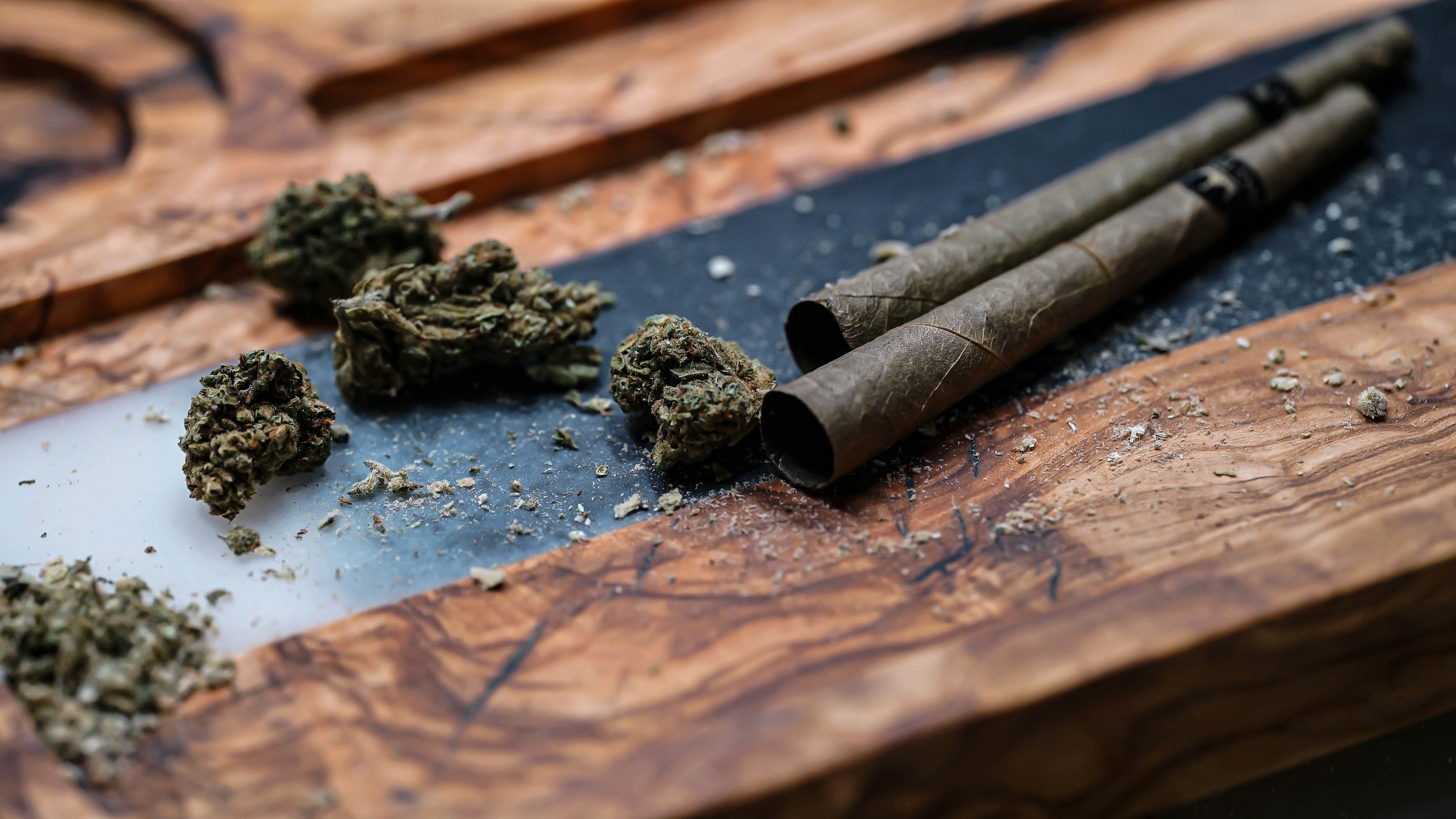
Low-quality marijuana can be characterized by a range of physical and chemical attributes that contribute to its overall potency and appeal. Typically, low-quality cannabis is distinguished by its appearance, aroma, and cannabinoid content. A significant indicator of low quality is the presence of excess leaf material and lower concentrations of trichomes, which are the tiny, crystal-like structures that contain cannabinoids and terpenes. These plants often have a dull appearance, with browning or yellowing leaves that indicate an unhealthy growth cycle.
Several factors contribute to the cultivation of low-quality marijuana. One of the primary sources stems from poor growing conditions, where plants are exposed to inadequate light, suboptimal soil quality, and insufficient water supply. Such conditions lead to underdeveloped plants that fail to reach their full potential in terms of cannabinoid production. Additionally, harvesting immature plants can drastically reduce the quality of the final product, as cannabinoids such as THC and CBD have not fully developed, resulting in a less potent experience for users.
Furthermore, improper curing techniques can play a crucial role in determining the quality of marijuana. Curing is the process that allows harvested cannabis to dry and mature, enhancing both flavor and potency. When this process is rushed or conducted incorrectly, the result is a harsh, unpleasant smoke that lacks the rich flavors and therapeutic properties often associated with high-quality strains. Consequently, consumers are often left dissatisfied with their experience, leading to an overall negative perception of marijuana.
Understanding these characteristics of low-quality marijuana can assist consumers in making informed choices when selecting cannabis products. The effort to distinguish high-grade marijuana from its lower-quality counterparts will ultimately lead to a more enjoyable and beneficial experience for individuals seeking its therapeutic effects.
The short-term effects of overconsuming low-quality marijuana can be significant and multifaceted, impacting both the mind and body. Users may initially experience a heightened sense of euphoria; however, this can quickly shift to heightened anxiety and paranoia. Unlike products with a balanced cannabinoid profile, low-quality marijuana often contains excessive levels of THC, which can amplify these negative emotional responses. The presence of impurities or a poor cultivation process can further exacerbate these reactions, leaving individuals feeling out of control.
In addition to psychological symptoms, low-quality marijuana can impair coordination and cognitive functions. Users may find that their motor skills are significantly affected, leading to difficulties with tasks requiring fine motor control or quick reactions. This impairment can be particularly concerning for individuals operating vehicles or machinery, heightening the risk of accidents. Furthermore, cognitive disruption can manifest as confusion, impaired judgment, or difficulty concentrating, which can hinder effective communication and decision-making in social settings.
Furthermore, the physiological responses to low-quality THC levels can vary widely. Many users report experiencing increased heart rate, bloodshot eyes, and dry mouth. Such reactions tend to differ from those experienced when consuming higher-quality strains, which may possess a more balanced cannabinoid and terpene profile that can mitigate adverse effects. Consequently, the immediate aftermath of consuming low-quality marijuana can lead to discomfort and distress, prompting individuals to reconsider their choices regarding marijuana consumption. Understanding these potential short-term effects is crucial for anyone engaging with marijuana, particularly lower-quality varieties that may pose heightened risks to well-being.
Long-Term Health Implications
The consumption of low-quality marijuana over extended periods can lead to a variety of detrimental health effects. One significant concern is the potential for dependency. Regular use of inferior strains, often characterized by inconsistent potency and adverse chemical profiles, can alter brain chemistry, leading to increased tolerance and, eventually, dependence. Individuals may find themselves requiring larger quantities to achieve the same effects they initially experienced, creating a cycle that can be difficult to break.
Moreover, the respiratory implications of inhaling low-quality marijuana are notable. These products frequently contain higher levels of harmful contaminants and impurities due to poor cultivation and processing practices. Studies indicate that frequent inhalation can lead to chronic bronchitis, emphysema, and other long-term respiratory issues. Unlike high-quality strains that undergo rigorous testing, lower-quality marijuana may emit more harmful smoke and tar, posing significant health risks.
Mental health is another area of concern associated with prolonged use of low-quality marijuana. Research has suggested a correlation between frequent use of low-grade products and the exacerbation of mental health issues, such as anxiety, depression, or in more severe cases, the onset of psychosis. These strains can be laced with harmful additives or pollutants which may worsen an individual’s mental health condition, particularly in susceptible populations.
Studies consistently highlight that individuals who consume lower-quality marijuana face greater health risks compared to those who select higher-quality alternatives. This disparity underscores the importance of making informed choices regarding marijuana consumption, as quality significantly impacts not just the experience but also long-term health outcomes. As the market continues to evolve, awareness of these implications is crucial for consumers.
Alternatives to Low-Quality Marijuana
As the demand for marijuana increases, the importance of quality cannot be overstated. Users seeking alternatives to low-quality marijuana should prioritize sourcing products that are tested for potency and purity. For a better experience, individuals should visit licensed dispensaries that provide comprehensive lab results for their cannabis products. This transparency helps users understand the chemical composition, ensuring they choose strains that align with their desired effects.
Understanding strain selection is crucial when searching for alternatives. Cannabis is divided into three main categories: Indica, Sativa, and Hybrid. Each has distinct characteristics that cater to various needs. Indica strains generally offer relaxing effects, suitable for alleviating stress and promoting sleep. Conversely, Sativa strains tend to provide an uplifting experience, often enhancing creativity and energy. Hybrids blend both to deliver a balanced effect. Knowing these differences empowers users to select strains more effectively based on personal preference and therapeutic needs.
Moreover, consumers should consider alternative consumption methods such as edibles, oils, or tinctures. Edibles, for instance, allow for precise dosing and a prolonged effect compared to traditional smoking methods. Cannabis oils and tinctures provide similar advantages while offering versatility in consumption, making it easier to incorporate into daily routines. By exploring these alternatives, users can avoid the pitfalls associated with low-quality marijuana.
Ultimately, education and responsible use play vital roles in making informed choices. Engaging in thorough research and seeking guidance from knowledgeable professionals will not only enhance your cannabis experience but also promote overall well-being. Emphasizing quality over quantity is essential in cultivating a more satisfying and beneficial relationship with marijuana.