

The Historical Context of Marijuana Criminalization
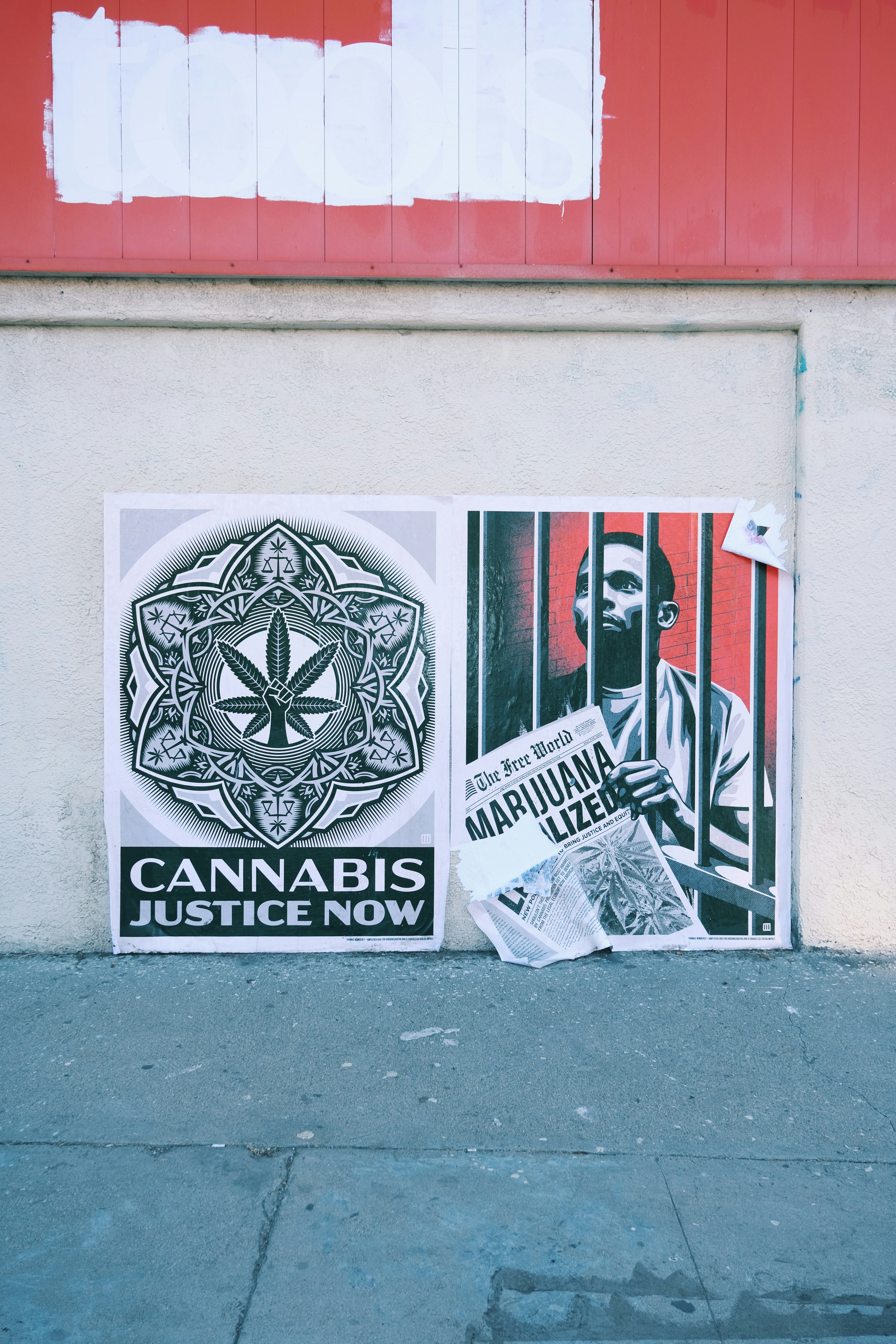
The criminalization of marijuana in the United States has a complex and troubling history that is deeply intertwined with issues of race and social justice. The origins of cannabis prohibition can be traced back to the early 20th century, as various socioeconomic factors and political agendas began to take shape. Initially introduced in the 1930s, the Marihuana Tax Act of 1937 imposed stringent regulations on the possession and sale of cannabis, effectively criminalizing its use. This legislation was largely fueled by a campaign that painted marijuana as a menace to society, particularly targeting marginalized communities, including Black and Hispanic populations.
Research indicates that the enforcement of marijuana laws has disproportionately affected these communities. Despite similar rates of usage among different racial groups, individuals from communities of color have historically faced more severe legal repercussions, leading to a significant racial disparity in incarceration rates. This over-policing has cultivated an environment of distrust and disillusionment within these communities, further compounding the social impact of marijuana criminalization.
As marijuana moves toward legalization and normalization in many states, conversations surrounding ownership and representation have gained prominence. The lingering effects of historical injustices serve as a critical backdrop to discussions about the contemporary landscape of the legal marijuana industry. Many advocates argue that without intentional efforts to address these disparities, the emerging cannabis market may replicate the inequities of the past, particularly as white-owned dispensaries increasingly dominate the space. Thus, acknowledging this historical context is essential for fostering equitable progress within the marijuana business and ensuring that communities largely affected by prohibition play a meaningful role in shaping its future.
The Challenges Facing Reconstructed Racists in the Dispensary Sector
The landscape of the marijuana industry presents numerous challenges for white-owned dispensaries, especially those associated with historically racist practices. These challenges are multifaceted and can significantly impact the operations and sustainability of these businesses.
One prominent issue is the perceived cultural appropriation that arises when white entrepreneurs enter the cannabis market. This perception can alienate potential customers, particularly in communities that have historically been marginalized by discriminatory cannabis policies. As a result, white-owned dispensaries may struggle to cultivate a loyal customer base, facing backlash for not adequately recognizing or addressing the implications of their ownership within a historically racist framework.
Furthermore, regulatory hurdles pose substantial obstacles for these businesses. Many jurisdictions impose strict regulations that can disproportionately affect dispensaries owned by individuals with no prior ties to the cannabis community. This can include complex licensing requirements, zoning restrictions, and significant fees. Navigating these regulatory environments can place a heavy financial burden on dispensaries, especially when competing against minority-owned enterprises that may have gained an advantage in establishing community relationships.
Negative community sentiments also contribute to the challenges faced by white-owned dispensaries. In areas where cannabis has had historically adverse impacts due to law enforcement practices, community members may view these businesses with skepticism or outright hostility. This sentiment can hinder marketing efforts and adversely affect foot traffic, as residents often prefer supporting local, minority-owned businesses that are perceived to have greater connections to and understanding of community issues.
As white-owned dispensaries grapple with these challenges, they must also find ways to address the legacy of racism in the cannabis business landscape and demonstrate meaningful engagement with the communities they aim to serve. This includes establishing partnerships with local organizations, supporting initiatives that promote equity in the industry, and ensuring their business practices reflect a commitment to social justice.
The Business Decline of White-Owned Dispensaries
In recent years, many white-owned dispensaries have confronted a series of financial difficulties, leading to a notable decline in their market presence. This situation arises from a combination of factors, including stiff competition from minority-owned businesses, changes in consumer preferences, and evolving perceptions influenced by social media.
One of the most significant challenges faced by white-owned dispensaries is the rise of minority-owned cannabis businesses that are often perceived as more authentic and community-oriented. These businesses typically resonate strongly with consumers who prioritize supporting local entrepreneurs over large corporations. This preference has resulted in a shifting landscape where white-owned dispensaries struggle to maintain their clientele as consumers increasingly gravitate towards brands that reflect diversity and inclusivity.
Additionally, the impact of social media cannot be underestimated. Public perception is heavily shaped by online discussions, reviews, and influencer endorsements. Minority-owned dispensaries frequently leverage these platforms to establish their brand as community-centric, which enhances their appeal. In contrast, white-owned dispensaries may find themselves under greater scrutiny, facing potential backlash for historical and ongoing inequities within the cannabis industry. These narratives contribute to an environment where consumers may choose to support businesses that align more closely with their values, often driving potential customers away from white-owned establishments.
Furthermore, the regulatory environment surrounding cannabis has historically favored those who could navigate the system more adeptly, often disadvantaging minority entrepreneurs. Consequently, white-owned dispensaries may feel the effects of policy changes that prioritize equity and access for underrepresented groups, further compounding their business challenges. The disparity in opportunities has not only impacted the viability of these dispensaries but, in turn, influenced overall industry dynamics as larger themes of equity and corporate responsibility emerge.
Moving Forward: Solutions and Ethical Practices in the Marijuana Industry
In addressing the inequalities that persist within the marijuana industry, it is essential to adopt a multifaceted approach that prioritizes ethical business practices, community engagement, and support for minority entrepreneurs. This holistic strategy can help foster a more inclusive environment, enabling all stakeholders to thrive.
First and foremost, white-owned dispensaries should actively commit to engaging with the communities they serve. This involves creating platforms for dialogue and collaboration with local residents, particularly those from marginalized groups. Establishing advisory boards composed of community members can provide invaluable insights into the unique challenges they face and ensure that business decisions reflect communal needs. By fostering an open line of communication, dispensaries can rebuild trust and demonstrate their commitment to social equity.
Additionally, financial support for minority entrepreneurs should be a priority. White business owners can partner with local organizations to develop mentorship programs that equip aspiring entrepreneurs from underrepresented backgrounds with critical skills and resources. Investment in these initiatives not only promotes diversity within the industry but also strengthens the local economy as these new enterprises flourish.
Furthermore, adopting inclusive business models can significantly enhance the legitimacy of white-owned dispensaries. Successful case studies, such as those from minority-owned businesses that prioritize social responsibility, prove that profitability and ethical practices can coalesce. For instance, businesses that allocate a portion of their profits to community programs or offer employment opportunities to local residents have seen increased loyalty and customer base.
Ultimately, the marijuana industry stands at a pivotal moment where it can reshape its narrative to foster greater inclusivity. By committing to ethical practices, supporting minority voices, and redefining business strategies, white-owned dispensaries can pave the way for a more equitable future in the industry.