
Trump’s Marijuana Rescheduling Move Opens The Door To Interstate Cannabis Commerce, Top Reform Group Says
Kentucky Governor Slams GOP Lawmaker For ‘Lack Of Humanity’ Over Push For Medical Marijuana Prosecutions
Massachusetts Anti-Marijuana Campaign Fires Signature Gatherer Amid Accusations Of Misleading Voters
Pennsylvania GOP Senator Blames Governor For Defeat Of His Marijuana And Hemp Regulatory Bill
Drug Testing Industry And Pharmaceutical Company Ask Court To Pause Trump’s Marijuana Rescheduling Move
Marijuana Extracts ‘Meaningfully’ Improve Cancer Patients’ Symptoms Such As Sleep Trouble And Anxiety, Study Shows
2 In 3 Americans Who Use Marijuana Say It Helps Them Sleep Better, New Survey Shows
Hemp-Based Plastic Shows Promise As Environmentally Friendly Alternative To Traditional Packaging Materials, Study Finds
Marijuana Components Have ‘Consistent’ Anti-Tumor Effects In Glioblastoma And Other Cancers, Scientific Review Shows
Another Study Debunks Lazy Stoner Stereotype, Linking Marijuana Use To An Increase In Some Kinds Of Exercise
State Marijuana Officials Educate World Cup Fans About How To Celebrate Legally And Responsibly While Visiting
WNBA Removes Marijuana From Banned Substances List And Sets Rules For Player Endorsements Of Hemp CBD Products
Americans Say Marijuana Is Less Cool Than Math And Country Music—But Is Cooler Than Guns Or Cryptocurrency, Survey Shows
Politicians And Major Brands Celebrate Cannabis Culture On 4/20
Woody Harrelson And Bill Maher Complain That Marijuana Taxes Are Too High While Smoking Joints At The Dispensary They Own Together
Federal Labor Decision Inspires More Missouri Marijuana Workers To Seek Unionization
Missouri Marijuana Workers Win Union Vote After Federal Officials Reject Company’s Argument On Blocking Ballots
Target Is Launching Hemp THC Drink Sales In Three Of The U.S.’s Most Populous States
Target Expands Involvement In Hemp THC Drinks Market With 72 New Licenses In Minnesota
Marijuana Sales Are Rising And Alcohol Is On The Decline As Consumer Preferences Evolve, Government Data In Canada Shows
Drug testing industry tries to block cannabis rescheduling (Newsletter: June 12, 2026)
Anti-cannabis campaigns’ questionable tactics (Newsletter: June 11, 2026)
VA gov has “productive” cannabis legalization conversations with lawmakers (Newsletter: June 10, 2026)
State cannabis officials work to educate World Cup visitors (Newsletter: June 9, 2026)
White House pushes Congress to keep some hemp products legal (Newsletter: June 8, 2026)
Published
on
By
The Trump administration’s move to federally reschedule marijuana opens the door to interstate cannabis commerce—and it could happen through one of several unique pathways—according to a leading advocacy group.
The Marijuana Policy Project (MPP) said in a recent analysis that it’s closely monitoring the implications of a Justice Department order that moved medical cannabis authorized by states from Schedule I to Schedule III of the Controlled Substances Act (CSA)—reasoning that “interstate commerce between licensed businesses would thus also be presumably federally legal” under the federal reform.
While the rescheduling order’s immediate focus is on state-authorized medical cannabis—and its federally legal status may be contingent on registration with the Drug Enforcement Administration (DEA)—MPP said it’s expecting to see the new policy put to the test, particularly as it concerns possible medical cannabis expansion and interstate commerce opportunities.
One of the direct impacts of rescheduling is that the limited number of states that don’t already have a law allowing medical marijuana use “will be under some pressure to adopt one,” MPP said.
Some states, like South Carolina, for example, have statutes on the books where federal rescheduling triggers mandatory state-level reform. In some of those places, however, “there’s little political appetite…for legalizing commercial cannabis production,” the group said.
But there may be ways to implement a policy change without creating significant political friction, thanks to the interstate commerce opportunities presented by federal rescheduling.
“A medical program that specifically envisions legal product from out of state would lessen the state’s regulatory burden (they could regulate retail alone if they chose, or even limit sales to pharmacies), sidestep political resistance to commercial production, and get legal, tested, high-quality cannabis into patients’ hands sooner and less expensively than a state-gated program,” the group said, adding that it’s also “possible we’ll see a push to open commerce in some ‘established’ medical states with inadequate patient access.”
“MPP will work over the coming year to identify and help lead efforts in currently non-medical or quasi-medical states to adopt and approve patient-centered programs specifically anticipating commerce, allowing patients to access the best and most affordable medical cannabis available as soon as possible.”
Next, federal rescheduling is likely to lead states with established and well-regulated medical marijuana markets to allow for interstate cannabis imports and exports, MPP said.
The legislative infrastructure for such a commercial market has already been created in several states—including California, Oregon and Washington State. Such interstate commerce laws are generally written in a way that requires federal legalization or explicit guidance to prevent federal enforcement action, but modest tweaks to the policies could open the doors to imports and exports between legal states if the right conditions are met under rescheduling.
“MPP stands ready to work with allies in those and other states seeking to pass legislation allowing their medical licensees—operating in compliance with federal requirements—to ship products to states whose medical programs allow it,” it said.
Check out our new blog to get the facts on what rescheduling means for medical interstate commerce, and see how MPP is working to keep patients protected!https://t.co/rsGPZ94CYf
— Marijuana Policy Project (@MarijuanaPolicy) May 29, 2026
In California, the attorney general previously said no such federal permission exists to allow for interstate marijuana commerce agreements, but advocates have recently raised questions about whether that could change given the Trump administration’s rescheduling move.
Attorney General Rob Bonta’s (D) office told Marijuana Moment last week that the state “DOJ does not have a public policy concerning updating prior Attorney General opinions,” but the attorney general “has at times reevaluated past opinions in response to a subsequent request from a person that is authorized to request AG opinions.”
Finally, MPP said in its post that supporters should expect to see a “successful” federal lawsuit as it concerns the Dormant Commerce Clause (DCC) of the U.S. Constitution. That clause has been at the center of multiple prior cases related to the marijuana industry, but with federal rescheduling there will likely be added impetus for courts to reach consensus and find that the exclusivity of intrastate marijuana markets runs counter to the Constitution, the group said.
“DCC protection would bar states with legal markets from discriminating against legal products from other states,” MPP said. “The federal decisions finding no DCC protection have leaned on cannabis’s federal illegality. The Final Order almost certainly changes that for licensed medical operators.”
“We expect stakeholders to sue states in multiple federal circuits (hoping to consolidate those into one suit), seeking to force open state markets on constitutional grounds. Interstate commerce in Schedule III drugs between DEA-approved entities is clearly covered by the DCC. A federal case will take time, but assuming rescheduling stands, we expect federal litigation to be ultimately successful.”
MPP added that it “has no plans to be involved in federal lawsuits seeking to open existing medical markets to commerce.”
To the organization’s point, an Oregon marijuana business last year filed a federal lawsuit against the state, challenging the constitutionality of laws prohibiting interstate cannabis commerce.
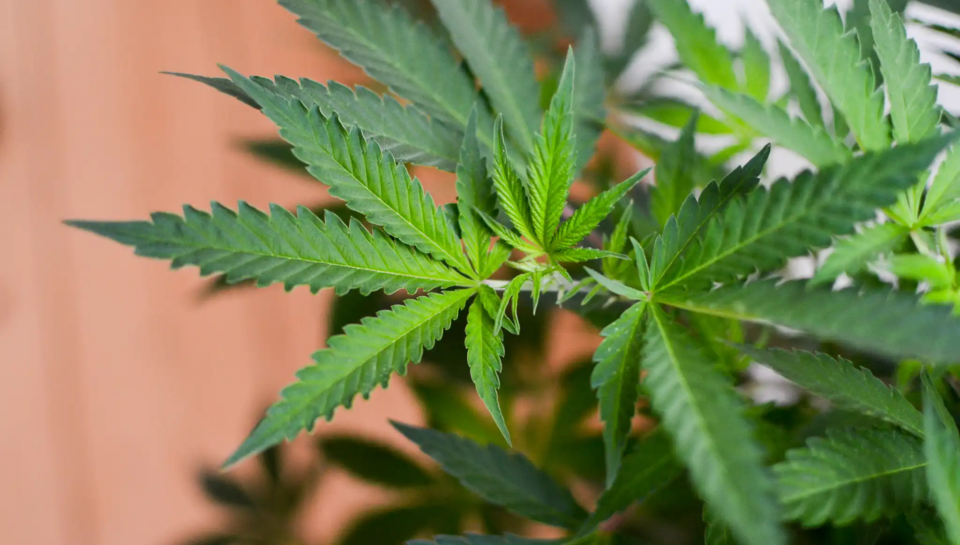
Photo courtesy of Philip Steffan.
Tom Angell is the editor of Marijuana Moment. A 25-year veteran in the cannabis and drug law reform movement, he covers the policy, politics, science and culture of marijuana, psychedelics and other substances. He previously reported for Forbes, Marijuana.com and MassRoots, and was given the Hunter S. Thompson Media Award by NORML and has been named Journalist of the Year by Americans for Safe Access. As an activist, Tom founded the nonprofit Marijuana Majority and handled media relations, campaigns and lobbying for Law Enforcement Against Prohibition and Students for Sensible Drug Policy.
Add Marijuana Moment as a preferred source on Google.
All the cannabis news you need, all in one place. Copyright © 2017-2026 Marijuana Moment LLC ® and Tom Angell