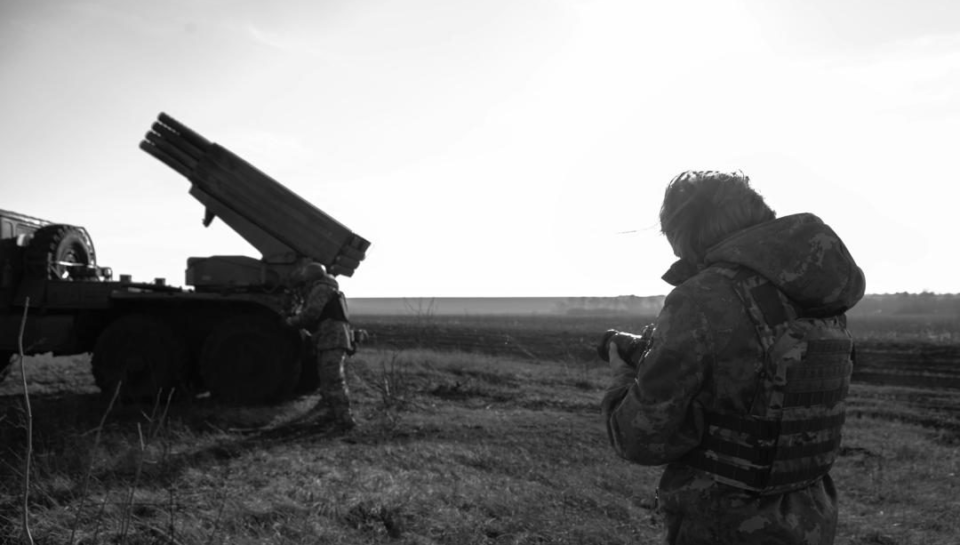
After more than a decade of conflict and years of devastating full-scale war, Ukraine turns to medical cannabis to support veterans. The country’s medical profession are increasingly looking at medical cannabis as a tool to help military veterans recover from the physical and psychological wounds of combat.
The modern conflict in Ukraine began in 2014 following Russia’s annexation of Crimea and the outbreak of fighting in the eastern Donbas region. The war escalated dramatically in February 2022 when Russia launched a full-scale invasion of Ukraine. Since then, millions of Ukrainians have been displaced, hundreds of thousands have served in combat roles, and countless veterans have returned home with injuries, trauma, and long-term health challenges.
RELATED: Republican Attorney Generals Plan to Block The President’s Marijuana Rescheduling
As the number of veterans requiring medical support continues to grow, Ukrainian lawmakers and healthcare professionals have sought new treatment options. One of the most notable developments has been the legalization and implementation of medical cannabis programs designed to help patients suffering from chronic pain, cancer-related symptoms, post-traumatic stress disorder (PTSD), and other serious conditions.
Historically, cannabis has had a complicated relationship throughout Eastern Europe. During the Soviet era, cannabis was heavily restricted and largely associated with illegal drug use rather than medicine. Following Ukraine’s independence in 1991, cannabis remained prohibited, and possession could result in criminal penalties. Public attitudes toward cannabis were generally conservative, reflecting broader regional policies that favored strict drug enforcement.
However, years of advocacy from patient groups, physicians, and veterans helped shift the conversation. Medical experts argued that thousands of Ukrainians were struggling with conditions that could potentially benefit from cannabis-based therapies. In response, Ukraine passed legislation allowing the medical use of cannabis under regulated conditions, marking a significant change in national healthcare policy.
For military veterans, medical cannabis may offer several potential benefits. Chronic pain is among the most common health complaints among former service members. Combat injuries, musculoskeletal damage, nerve injuries, and surgeries can leave veterans dealing with persistent pain long after they leave the battlefield. Cannabis-based medicines may provide an alternative or complementary option to traditional pain management approaches, including opioid medications.
Sleep disturbances are another widespread issue. Many veterans report difficulty falling asleep, staying asleep, or achieving restorative rest. Poor sleep can worsen other health conditions, including anxiety, depression, and chronic pain. Certain cannabis formulations have been reported by patients to promote relaxation and improve sleep quality, making them an area of growing medical interest.
RELATED: This Sports Giants Arena Is Starting To Sell THC Drinks
THCA is non-psychoactive in raw form; it converts to delta-9-THC only under heat. Smoked or vaped THCA flower delivers effects identical to conventional delta-9-THC because combustion handles the conversion. So, comparing it to Lost THC depends entirely on format: THCA flower when smoked matches Lost THC at an equivalent dose. As an unheated product? THCA is not psychoactive.
Not everyone chases maximum intensity; the right choice depends on your tolerance, preferred onset speed, and whether you want body-forward or cerebral effects.
New users should begin with Delta 8 or low-dose HHC. Both offer a gentler entry point. If you’ve developed tolerance and want something closer to dispensary-strength effects, Lost THC edibles or THCA flower are your most direct options. Start at 5mg for edibles and wait at least 90 minutes before redosing.
RELATED: The Public Is Ready to Move Forward on Cannabis
Perhaps the most discussed application involves PTSD. Veterans exposed to combat often experience intrusive memories, hypervigilance, anxiety, nightmares, and emotional distress. While cannabis is not considered a cure for PTSD, some patients report that cannabis-based treatments help reduce symptoms, improve sleep, and enhance overall quality of life when used under medical supervision.
Medical cannabis is not without controversy. Researchers continue to study its long-term effects, ideal dosing strategies, and effectiveness across different patient populations. Healthcare providers generally emphasize that cannabis should be viewed as one potential treatment option among many, including therapy, rehabilitation programs, prescription medications, and social support services.
For Ukraine, the adoption of medical cannabis represents more than a change in drug policy. It reflects a broader effort to address the complex healthcare needs of a generation affected by war. As the country continues to support veterans returning from the front lines, medical cannabis may become an increasingly important component of comprehensive care aimed at helping them heal, recover, and rebuild their lives.
Stay informed with exclusive news briefs delivered directly to your inbox every Friday.
We respect your privacy. Unsubscribe anytime.
The Fresh Toast is an award-winning lifestyle & health platform with a side of cannabis. We work hard each day to bring uplifting and informative information about culture, weed, celebrity, tech and medical marijuana.
© Copyright @2020