Introduction to Marijuana
Marijuana, also known as cannabis, has a rich history that spans thousands of years. It has been utilized for various purposes, including medicinal, recreational, and spiritual uses across diverse cultures. Evidence suggests that marijuana was first cultivated around 500 BC in Central Asia, where it was appreciated for its fibers, seeds, and psychoactive properties. Over the centuries, its popularity spread globally, with different societies developing unique cultural perceptions and practices related to the plant.
In ancient China, for instance, cannabis played a significant role in traditional medicine. Notably, Emperor Shen Nong is credited with documenting its therapeutic applications, which laid the groundwork for the plant’s medicinal reputation. Similarly, in India, cannabis has been used in spiritual rituals and as an offering in religious ceremonies, informing the cultural understanding of marijuana as a sacred plant.
In more recent history, particularly during the 20th century, perceptions towards marijuana shifted dramatically due to stigmatization and legal restrictions, particularly in Western societies. The anti-drug campaigns of the mid-1900s significantly influenced the public’s view, labeling marijuana as a dangerous substance. However, this negative connotation has begun to change, especially in the last two decades, reflecting a growing understanding of cannabis and its potential benefits.
The increasing acceptance of marijuana for both recreational and medicinal purposes is notable. Numerous studies have highlighted its therapeutic benefits, leading various jurisdictions worldwide to reevaluate their cannabis laws. This evolving perspective showcases a transition towards recognizing not only the cultural significance of marijuana but also its potential as a valuable, versatile resource in modern society.
Medical Benefits of Marijuana
Marijuana, scientifically known as Cannabis sativa, has been utilized for its medicinal properties for centuries. Recent developments in research have begun to illuminate its potential benefits, especially in treating chronic pain, anxiety, and various health conditions. A growing body of evidence suggests that marijuana can significantly alleviate symptoms associated with these ailments, leading to its increased acceptance in the medical community.
One of the most prominent uses of marijuana is in the management of chronic pain. Studies indicate that cannabinoids, the active compounds in marijuana, interact with the body’s endocannabinoid system to modulate pain perception. A systematic review published in the Journal of Pain found that medical cannabis was effective in reducing pain in patients suffering from conditions such as arthritis, multiple sclerosis, and neuropathic pain. The analgesic properties of marijuana can provide a valuable alternative to traditional pain management therapies, particularly in individuals who are resistant to opioid use.
Furthermore, anxiety disorders represent another area where marijuana may offer therapeutic benefits. Research conducted by the University of Colorado found that many patients reported reductions in anxiety levels after consuming marijuana, suggesting that compounds like CBD (cannabidiol) could play a significant role in emotional regulation. Additionally, a 2019 study published in Psychiatry Research highlighted that CBD significantly reduced anxiety in participants with social anxiety disorder during a public speaking test, indicating its potential as a treatment for anxiety disorders.
In addition to pain relief and anxiety management, marijuana has also been studied for its effect on conditions like epilepsy. The FDA has approved a CBD-based medication called Epidiolex for treating certain types of epilepsy, providing clinical evidence of its efficacy. These findings emphasize the need for further exploration into the medicinal benefits of marijuana, leading to improved treatment options for various health conditions.
Routes of Administration
Marijuana can be administered through various routes, each with distinct effects on the body. The primary methods of consumption include smoking, edibles, and oils. Understanding the advantages and disadvantages of each can help users make informed choices.
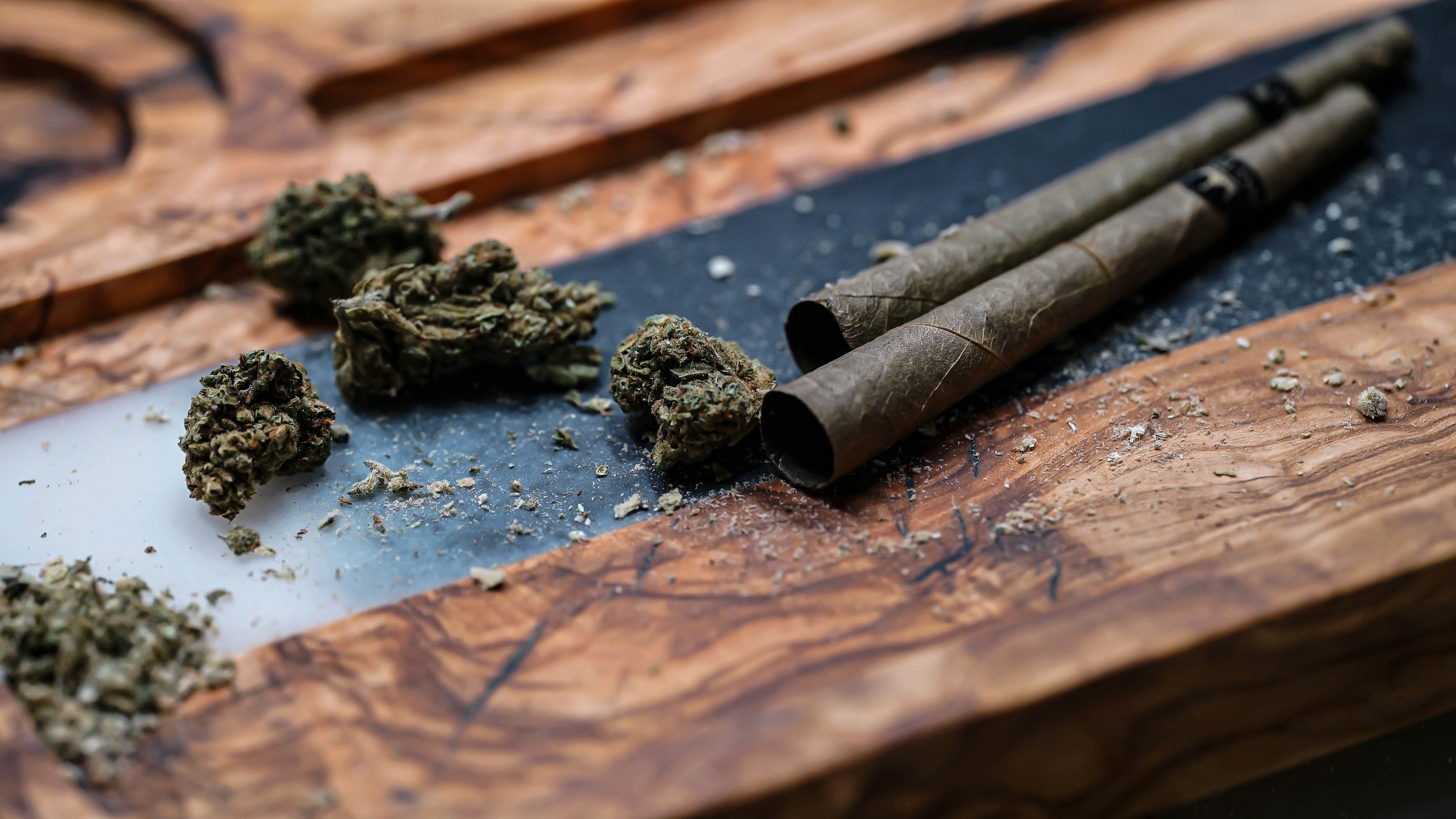
Smoking is perhaps the most traditional method. It involves inhaling the smoke produced from the burning of marijuana flowers. This method allows for rapid absorption of cannabinoids into the bloodstream, leading to almost immediate effects. However, smoking can have adverse health effects on the lungs, particularly with long-term use. Additionally, the noticeable odor can be a drawback in social situations.
Edibles, which are food products infused with marijuana, have gained popularity due to their discretion and the absence of harmful smoke. When consumed, the effects of edibles take longer to manifest, often appearing 30 minutes to 2 hours after ingestion. This delayed onset may lead to some individuals consuming higher doses, which can result in overwhelming effects. Edibles also produce a different metabolic process, leading to a more intense high that can last several hours.
Marijuana oils, or tinctures, provide another alternative. These oils can be taken sublingually (under the tongue) for quick absorption or added to food and drinks. Like edibles, the effects may take longer than smoking, but they can offer a more controlled dosage. Oils are often praised for their versatility and ability to deliver specific cannabinoid profiles without the health risks associated with smoking. However, they may not provide the immediate gratification some users prefer.
In summary, each method of marijuana consumption carries its own set of benefits and drawbacks. Choosing the appropriate route depends on personal preferences, desired effects, and considerations regarding health and discretion.
Debunking Myths About Addiction
One of the prevalent myths surrounding marijuana use is the belief that it is highly addictive. This perspective often arises from the stigma associated with cannabis and its classification as a controlled substance in many jurisdictions. However, research indicates that the probability of developing a dependency on marijuana is significantly lower than that for other substances, such as alcohol or nicotine.
According to a study conducted by the National Institute on Drug Abuse (NIDA), only about 9% of individuals who use marijuana will develop a dependency. In contrast, this rate increases to 32% for those who use tobacco and approximately 15% for alcohol. Notably, this statistic can vary based on various factors, including the age of first use and the frequency of consumption. The risk of developing dependence rises to 17% for those who start using marijuana in their teens.
Moreover, it is crucial to understand that marijuana addiction is often associated with other substance abuse issues. The correlation between marijuana use and the use of other substances can be attributed to various underlying factors, such as environmental influences, mental health disorders, and social pressures rather than the inherent properties of cannabis itself. According to a research meta-analysis in the journal “Psychological Medicine,” individuals with a history of substance abuse are more likely to use marijuana as part of a broader pattern of addiction, rather than due to its pharmacological effects.
This association highlights the importance of addressing the contextual factors contributing to substance use rather than attributing addiction to a single substance like marijuana. In summary, the perceptions of marijuana as an overwhelmingly addictive drug are inconsistent with current scientific findings, and it is crucial to adopt a more informed and nuanced understanding of its use and potential risks.
Quality Over Quantity: The Importance of Quality Products
The landscape of marijuana products has grown exponentially, offering consumers a wide variety of choices. However, it is essential to focus on the quality of marijuana rather than merely the quantity available. High-quality marijuana strains can significantly enhance the overall user experience, providing users with greater therapeutic benefits and fewer adverse side effects compared to their lower-quality counterparts.
Quality marijuana products are cultivated with care, using proper growing techniques and stringent quality control measures. This attention to detail often results in better cannabinoid and terpene profiles, which contribute not only to the efficacy of the strain but also to its flavor and aroma. By choosing high-quality products, consumers can experience a more refined and enjoyable encounter, whether they are using marijuana for recreational purposes or for therapeutic relief.
On the other hand, opting for poor-quality marijuana can lead to a myriad of issues. These products may contain harmful contaminants, lower levels of active compounds, and may have been grown under unfavorable conditions. Consuming such products could result in an unpleasant experience, characterized by increased side effects such as anxiety or paranoia, which are often associated with inferior strains. Moreover, lower quality marijuana may necessitate larger quantities to achieve the desired effects, which can be both cost-prohibitive and detrimental to health.
Ultimately, the choice for quality marijuana should be a conscious decision made by consumers. By investing in high-quality plants, users can ensure they are receiving not only a premium experience but also a safer and more effective product. Prioritizing quality over quantity can lead to a more balanced and satisfying engagement with marijuana, enhancing its therapeutic potentials while minimizing potential risks.
Understanding the Real Gateway Theory
The notion that marijuana serves as a gateway drug has been a point of contention in the debate surrounding cannabis use. Advocates of this theory argue that the consumption of marijuana leads to the use of more dangerous substances such as cocaine and heroin. However, numerous studies suggest that the true picture of addiction is far more intricate and multidimensional than a linear path from one substance to another.
Firstly, it is important to recognize that most individuals who use marijuana do not subsequently progress to harder drugs. The majority of recreational users consume cannabis responsibly without ever feeling the need to experiment with more potent substances. Research indicates that factors such as social environment, psychological predisposition, and individual circumstances often play a more significant role in addiction than substance use alone. Thus, claiming that marijuana is an inevitable precursor to harder drugs oversimplifies a complex issue.
Furthermore, the social and psychological dynamics surrounding substance abuse cannot be overlooked. Mental health conditions, trauma, and stress are prevalent among those dealing with addiction issues. Such psychological factors often contribute to a person’s inclination to use multiple substances as a means of coping or escaping negative feelings. Individuals with an increased vulnerability to addiction may turn to various substances, of which marijuana could merely be one among many choices rather than a starting point.
In this light, the gateway theory may fail to adequately account for the nuanced interplay of variables influencing drug dependency. It is essential to consider the broader social context and psychological motivations that can lead individuals to substance use, rather than fixating solely on marijuana as a causative element in the progression to more harmful drugs. This perspective allows for a more comprehensive understanding of addiction and promotes a focus on addressing the root causes of substance abuse rather than stigmatizing a single substance.
The Influence of Wealth and Society on Marijuana Use
Marijuana consumption continues to evoke varying opinions in society, particularly influenced by socioeconomic status. Affluent individuals frequently choose to consume marijuana privately, engaging in usage that is often discreet and socially accepted within their circles. This behavior reflects a significant disparity in how different societal classes perceive and utilize marijuana. While wealthier individuals may enjoy the benefits of marijuana without stigma, those from less affluent backgrounds often face societal scrutiny and negative stereotypes when they partake.
This duality cultivates a complex societal fabric, wherein marijuana is normalized among the affluent while simultaneously subjected to regulation and stigmatization in broader cultural contexts. The consumption habits of wealthier individuals can inadvertently perpetuate the stigma surrounding marijuana use, as their private usage is often unchallenged, leaving marginalized groups vulnerable to scrutiny and discrimination. This disparity impacts the public discourse on marijuana legalization, as the perception of consumption can create an impression that certain societal classes are more ‘acceptable’ users of marijuana. Consequently, those who do not fall into these privileged categories may express hesitance in advocating for legalization, fearing societal backlash.
This contrast fosters an ongoing debate about the moral implications surrounding marijuana use and legalization efforts. When examining marijuana’s role in society, one must consider these socioeconomic variables that can cloud public perception and hinder progress toward normalization and legalization. As advocacy for legalization grows, it is crucial to address these socioeconomic discrepancies, recognizing that privilege plays a substantial role in shaping cannabis culture. Bridging this gap through education and awareness may ultimately lead to a more equitable understanding of marijuana, fostering an environment that respects and values diverse backgrounds in discussions of usage and rights.
The Future of Marijuana in Society
The landscape surrounding marijuana use and legalization is evolving rapidly, driven by a combination of scientific research, changing public perceptions, and socio-economic factors. As more studies continue to emerge demonstrating the therapeutic benefits of marijuana, public acceptance is anticipated to increase. From pain relief to management of anxiety and other medical conditions, increased awareness of marijuana’s potential may lead to a shifting perspective among those who were previously skeptical.
In many regions, particularly in North America and parts of Europe, there has been a marked increase in the decriminalization and legalization of marijuana for both medical and recreational use. This trend indicates a broader acceptance and recognition of marijuana’s potential benefits. As various governments observe the positive outcomes of legalization—including increased tax revenues and reduced incarceration rates—they may be encouraged to adopt similar policies. Furthermore, the burgeoning cannabis industry is anticipated to create numerous job opportunities, contributing to economic growth.
Research advancements will play a significant role in shaping the future of marijuana in society. The more that medical research highlights the efficacy of marijuana in treating various ailments, the more likely it will be viewed as a legitimate therapeutic option. Additionally, as regulatory frameworks evolve, there may be more standardized quality control of cannabis products, thus improving consumer safety and trust in the market.
Overall, as societal views continue to adapt and more benefits of marijuana use are recognized, it is likely that the stigma surrounding it will diminish. Engaging in continued dialogue about its uses, regulations, and impacts will be essential in steering the future of marijuana in society. This shift in perception is indicative of a progressive approach towards embracing marijuana as a versatile tool for health and economic capability.
Conclusion and Personal Reflection
Throughout this blog post, we have explored the multifaceted benefits of marijuana, emphasizing its therapeutic properties and the positive effects on mental and physical health. We examined how cannabis has been beneficial in providing relief for chronic pain, anxiety, and other ailments, demonstrating its potential as a crucial component in modern medicine. Additionally, we recognized the ways marijuana can enhance creativity and relaxation, presenting it as a valuable option for those seeking alternative methods for well-being.
As the conversation surrounding marijuana continues to evolve, it is essential for individuals to approach this topic with an open mind and a critical perspective. The stigma associated with marijuana use has started to diminish as more research surfaces, supporting its legitimacy as a viable treatment option. Legalization efforts across various regions highlight a growing recognition of its benefits, and the ongoing dialogue presents an opportunity for further understanding and acceptance. However, it is vital to consider both sides of the discussion objectively and to question the underlying narratives that may influence public perception.
Encouraging readers to form their own educated opinions on marijuana entails considering both scientific evidence and personal experiences. Each individual’s interaction with cannabis can differ significantly, creating a diverse spectrum of perspectives. Engaging in conversations with others, reading credible studies, and remaining informed about legislative changes will contribute to a more inclusive understanding of marijuana’s advantages and limitations.
In conclusion, the benefits of marijuana are increasingly acknowledged, warranting thoughtful exploration and personal reflection. By fostering an environment of open dialogue and intellectual curiosity, society can fully appreciate the potential this plant holds and promote informed choices regarding its use.